


Name the story in one sentence
Identify the memory, value, person, place, or change the tattoo should hold. This keeps attractive references from pulling the concept in unrelated directions.
CURATED TATTOO IDEAS & DESIGN INSPIRATION
Explore unique and meaningful tattoo ideas across fine line, blackwork, Japanese, geometric, floral, and more. Browse focused guides for men, women, small tattoos, forearms, sleeves, and flowers, then turn the strongest direction into a useful artist brief.
All featured images are AI-generated editorial concept art for inspiration. They are not photographs of real tattoos or finished stencils.
CURATED TATTOO DESIGN DIRECTIONS
Compare distinct tattoo designs instead of saving dozens of near-duplicates. Placement tags are starting points for composition planning, not proof that a design will fit your anatomy without an artist redraw.
600 curated design directions
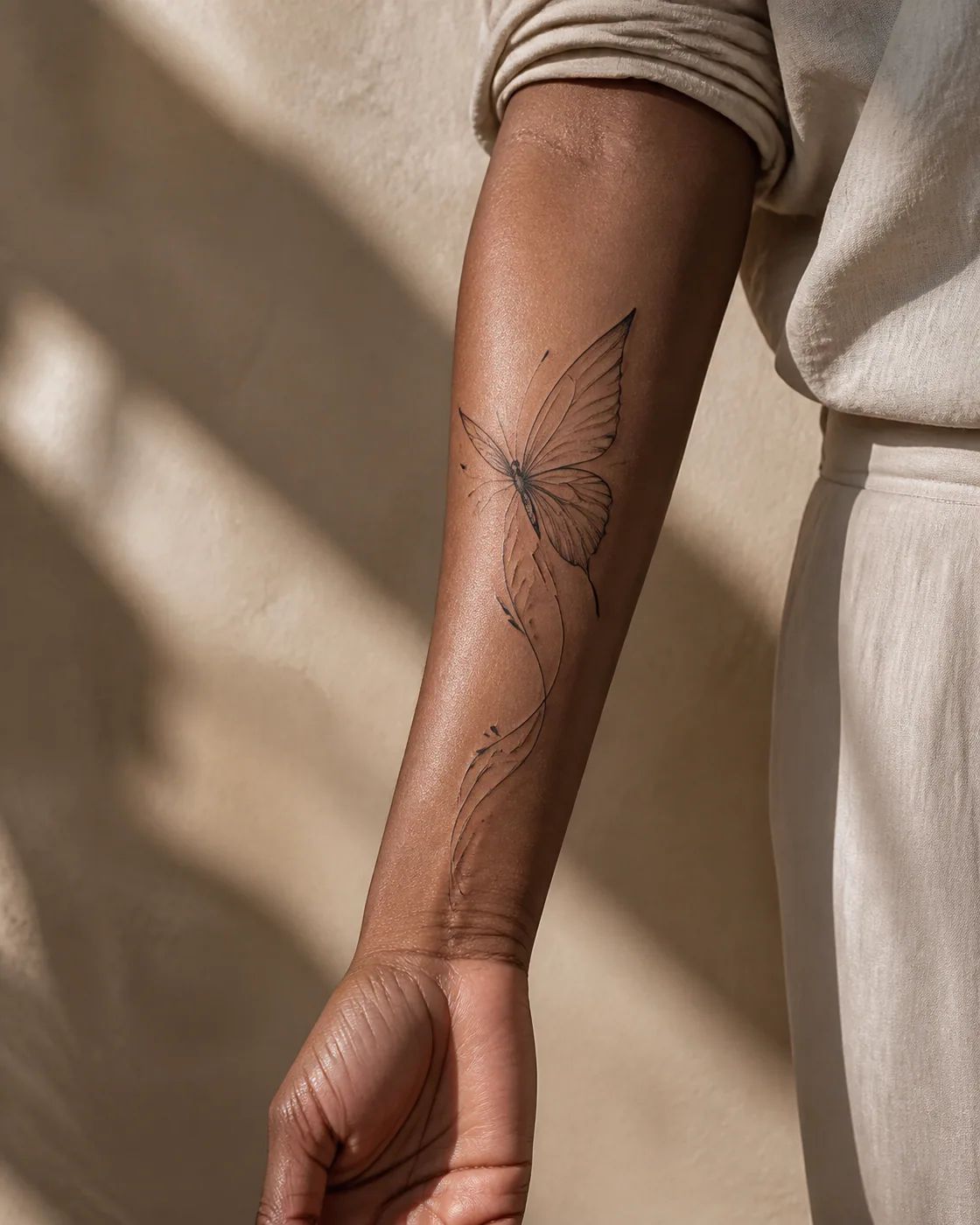
An original animal concept shaped as a healed fine line tattoo for the forearm.
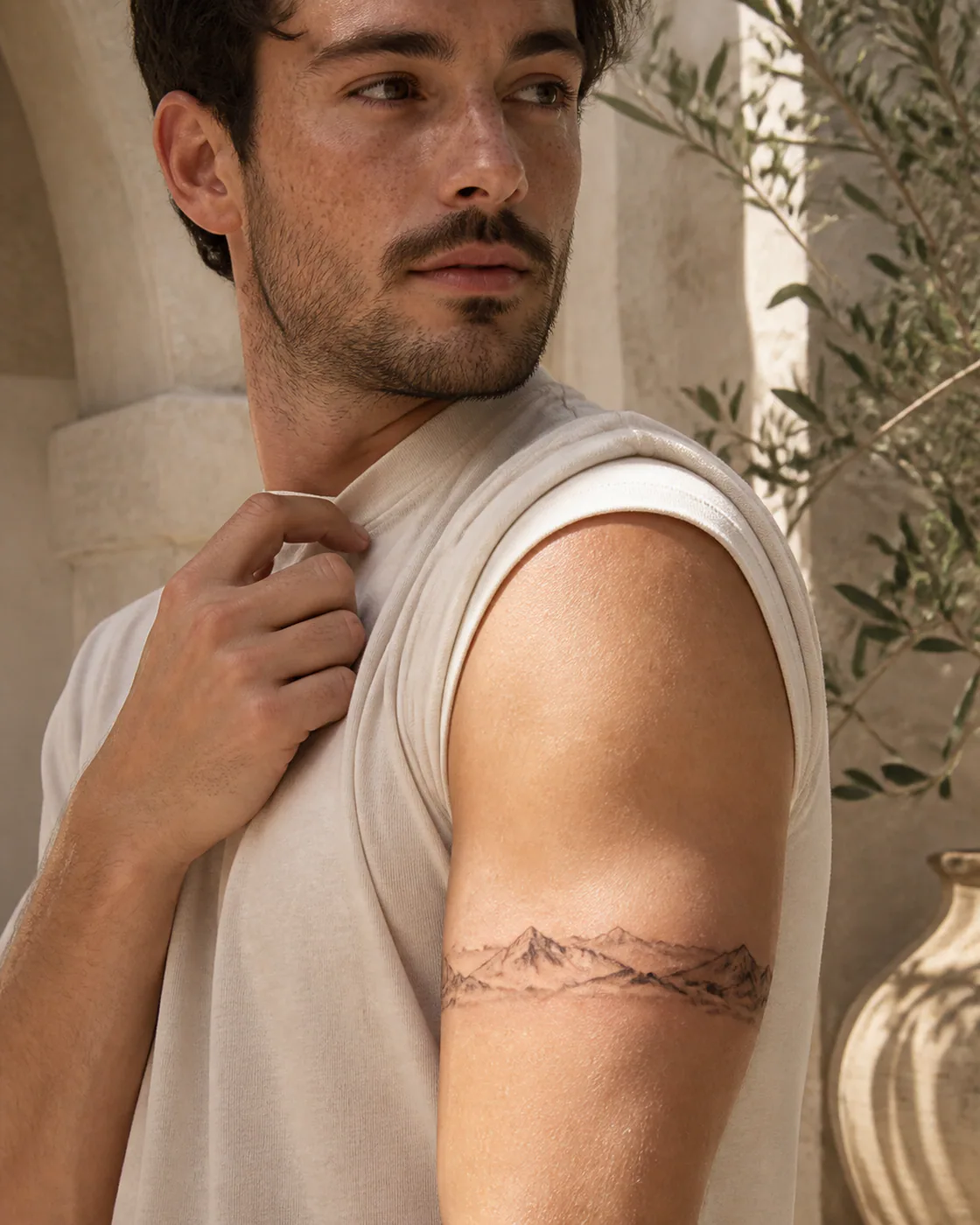
An original nature concept shaped as a healed fine line tattoo for the armband.
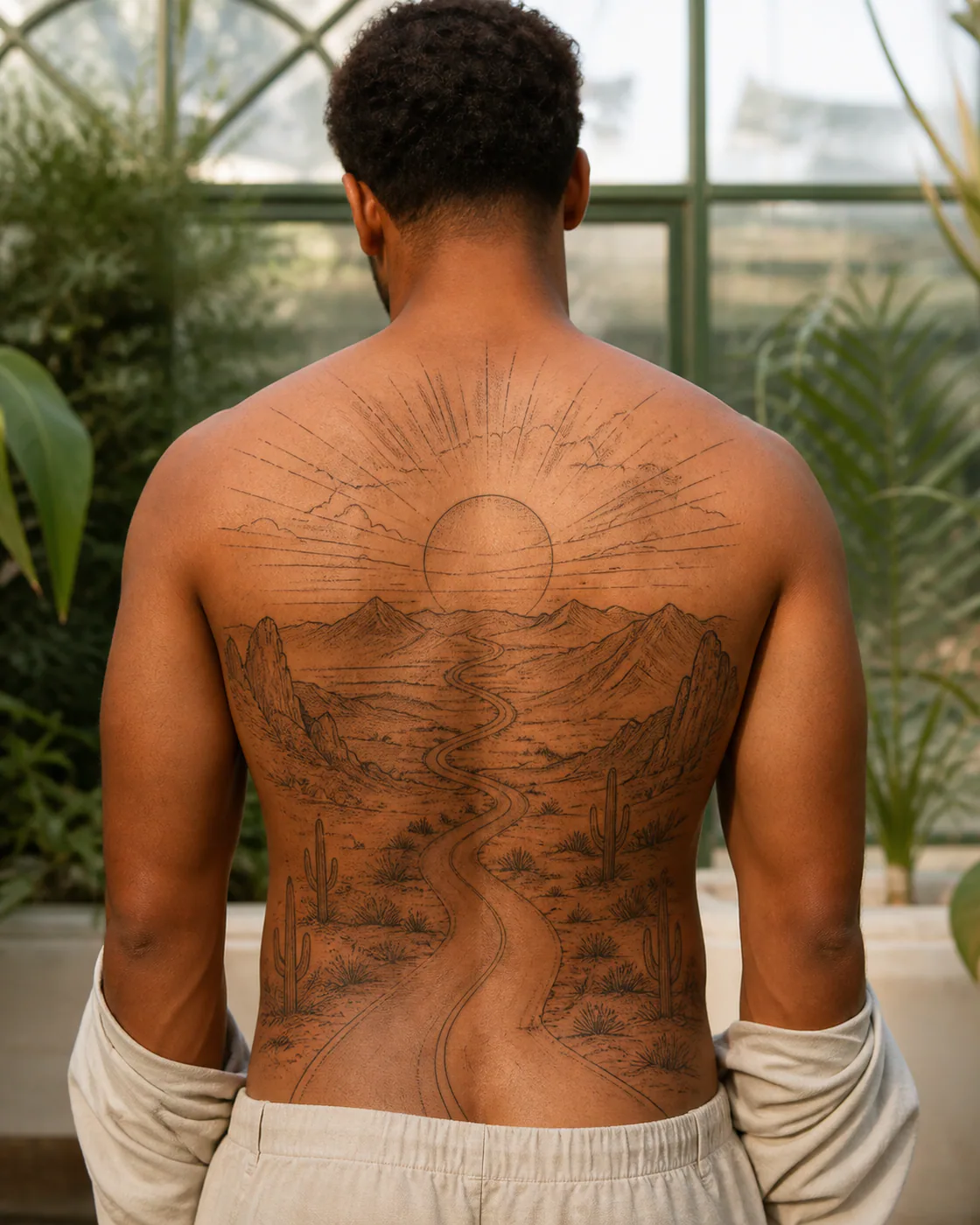
An original travel concept shaped as a healed fine line tattoo for the full back.
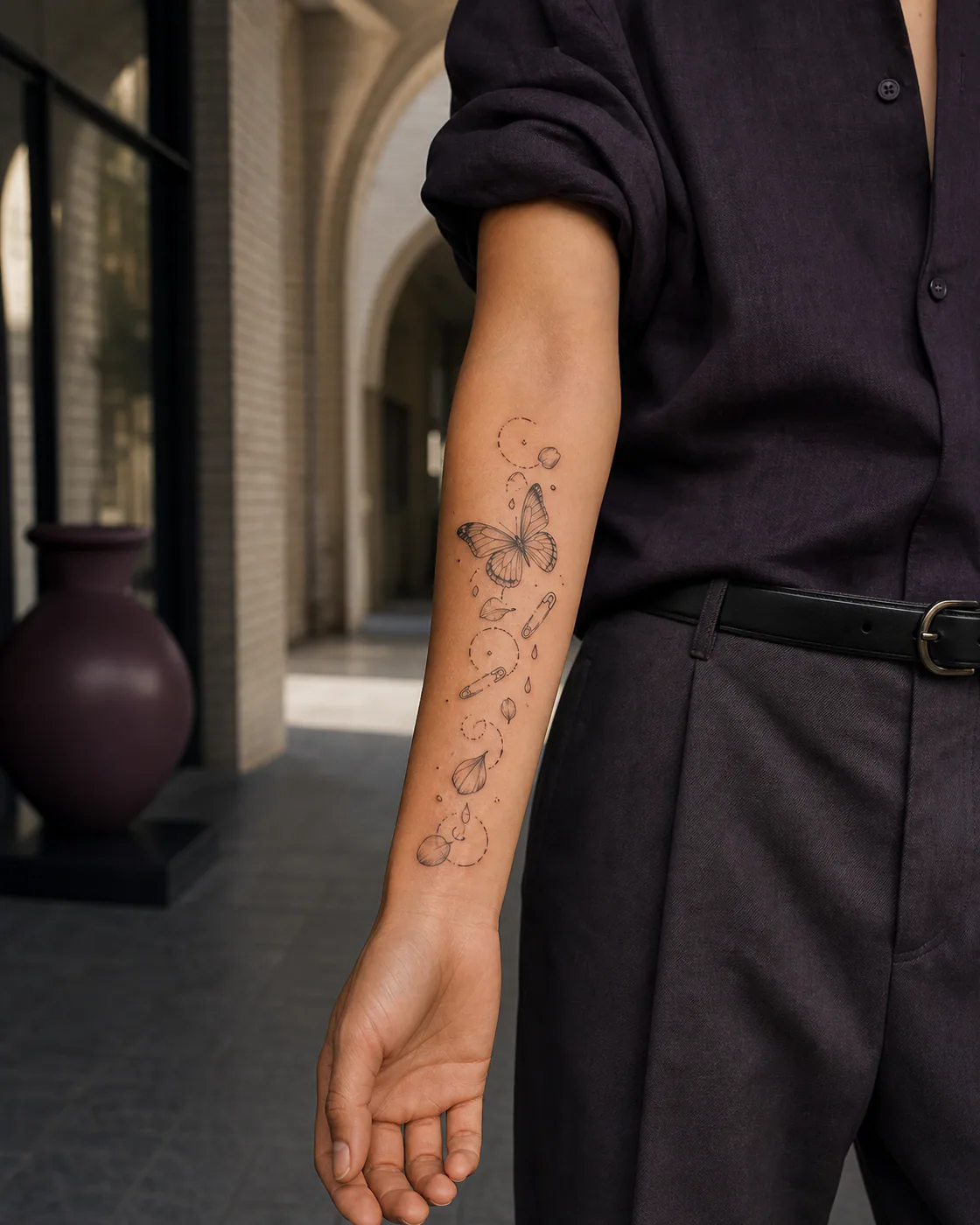
An original filler concept shaped as a healed fine line tattoo for the forearm.

An original portrait concept shaped as a healed fine line tattoo for the armband.
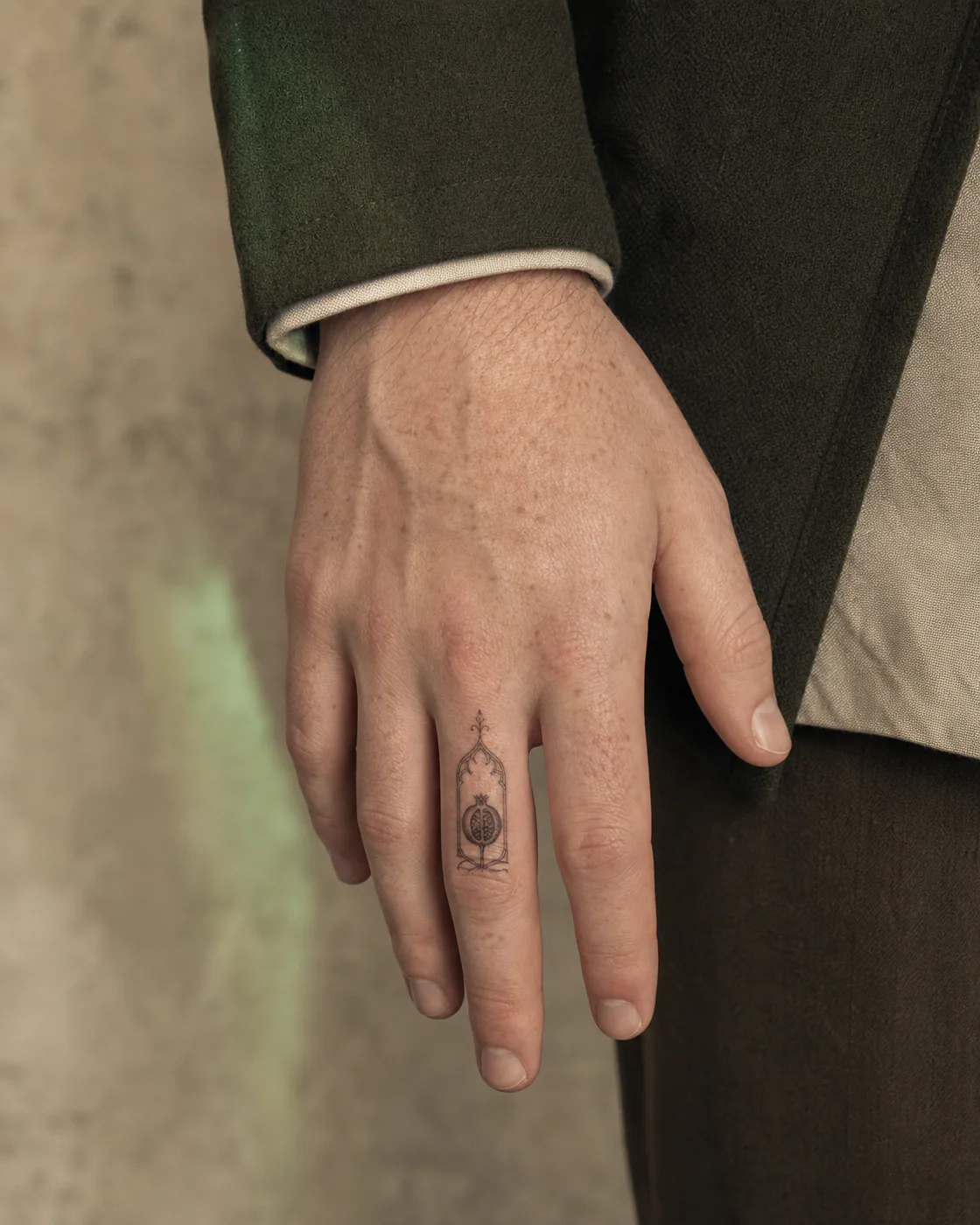
An original gothic concept shaped as a healed fine line tattoo for the finger.
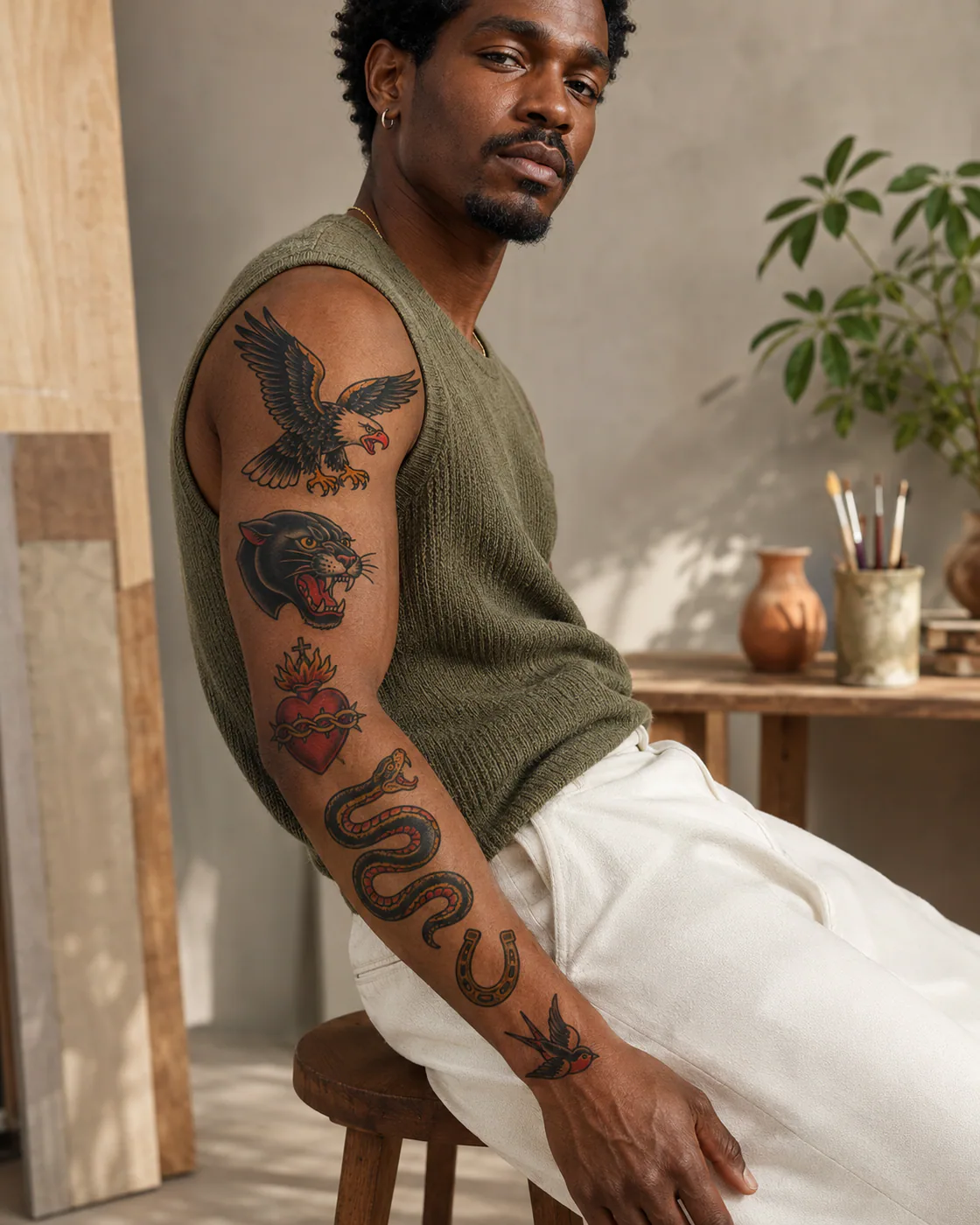
Bold black outlines and a restrained red-gold palette unite several classic flash subjects without closing the skin gaps.
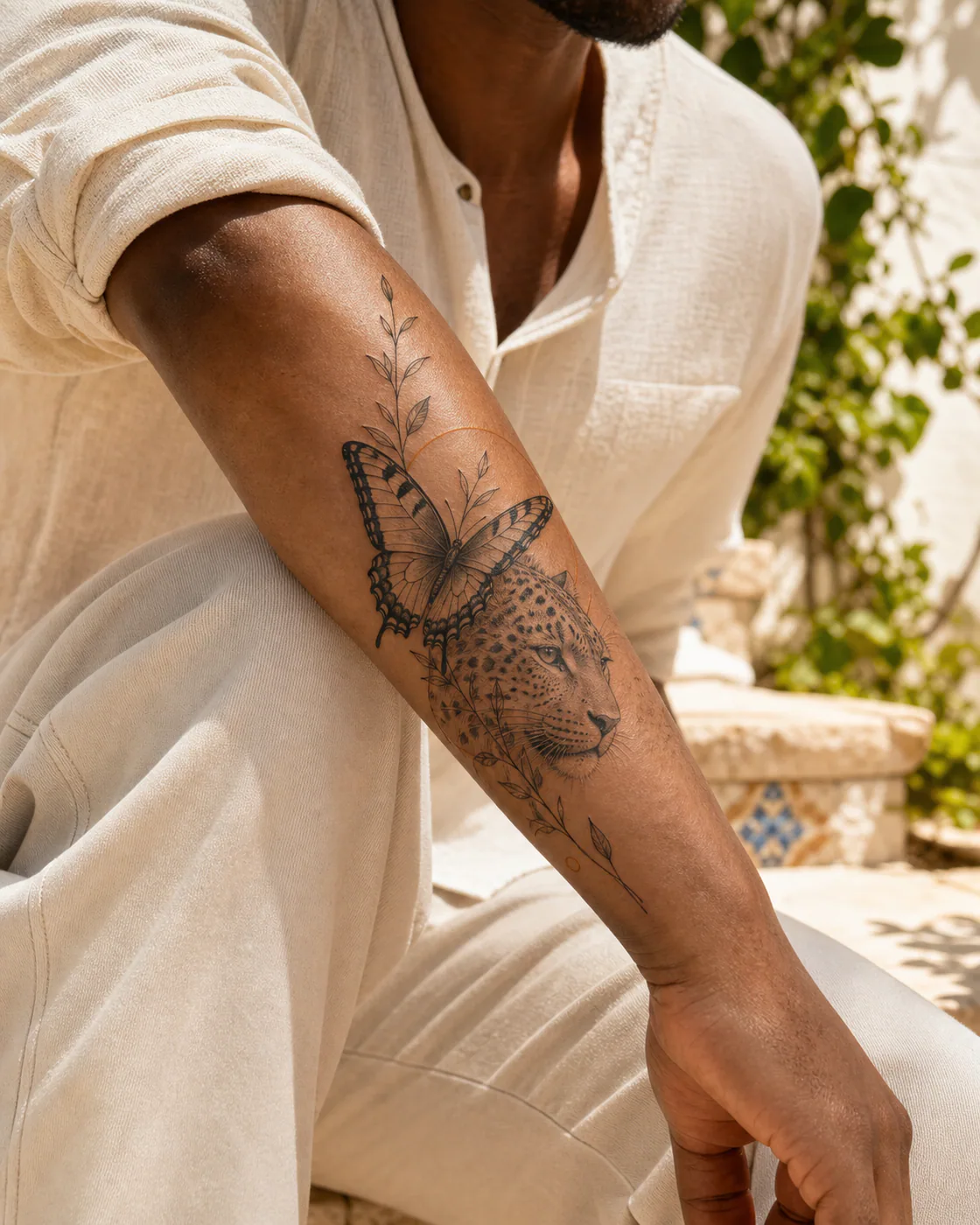
An original animal concept shaped as a healed fine line tattoo for the forearm.
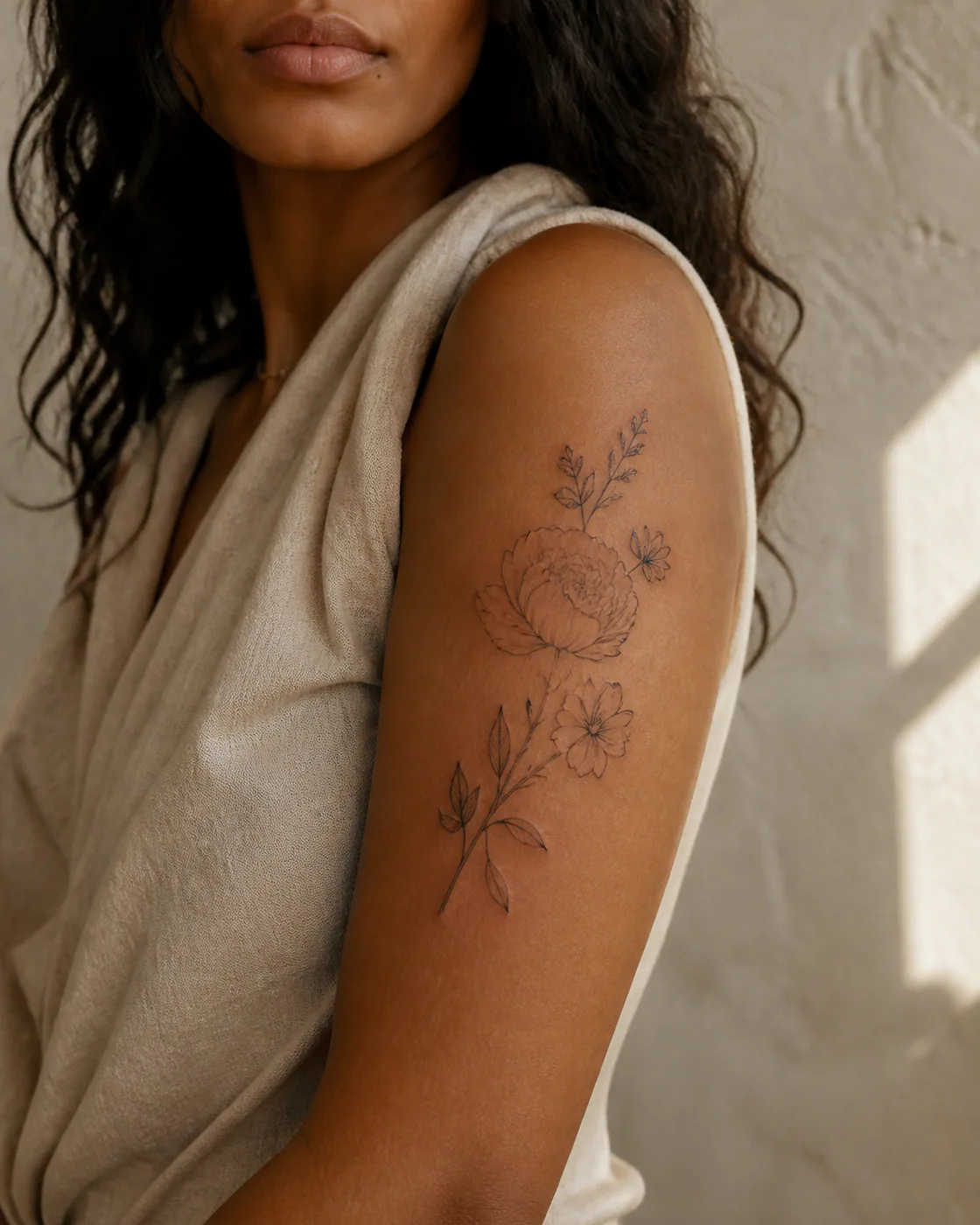
An original flower concept shaped as a healed minimalist tattoo for the upper arm.
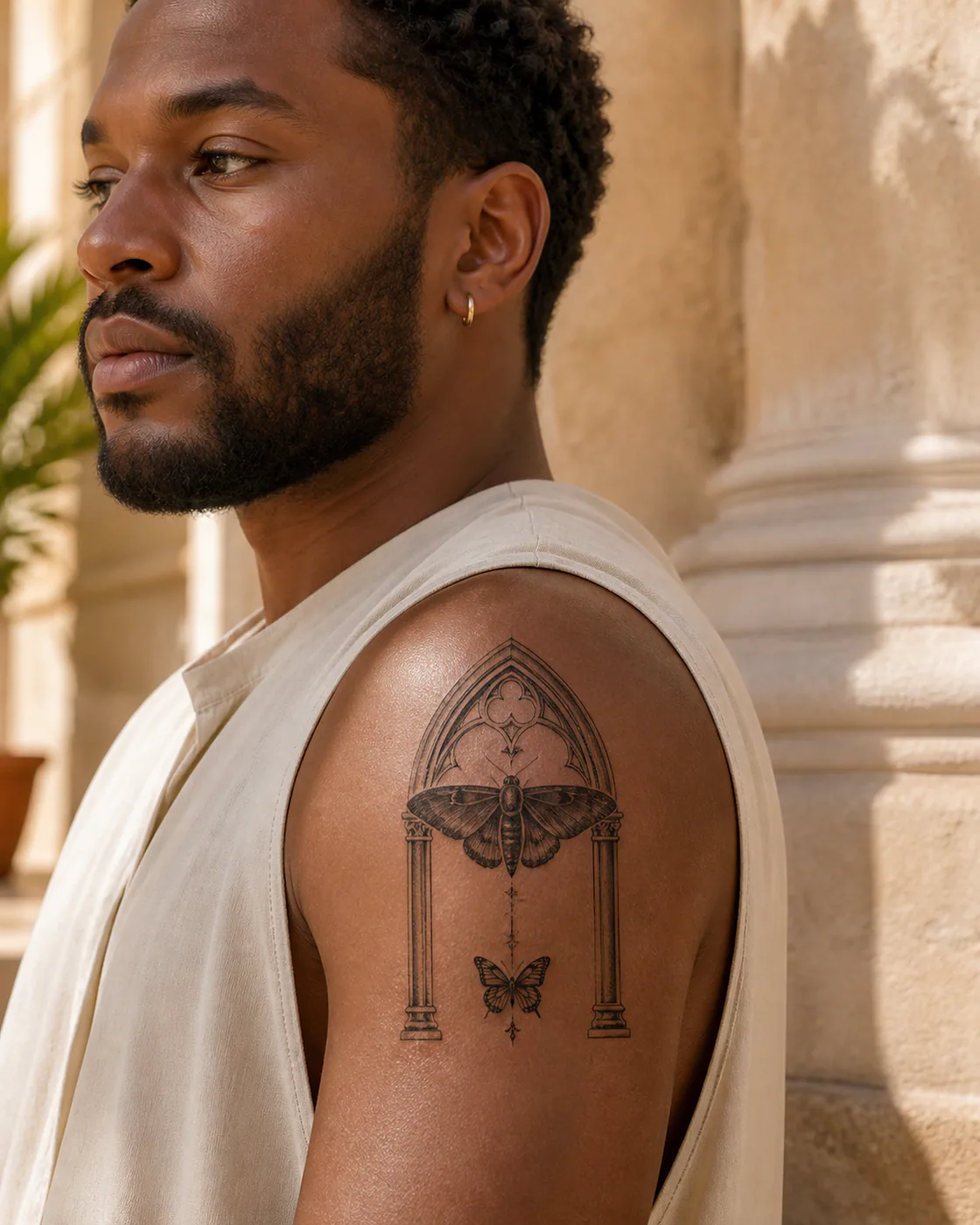
An original gothic concept shaped as a healed minimalist tattoo for the shoulder.
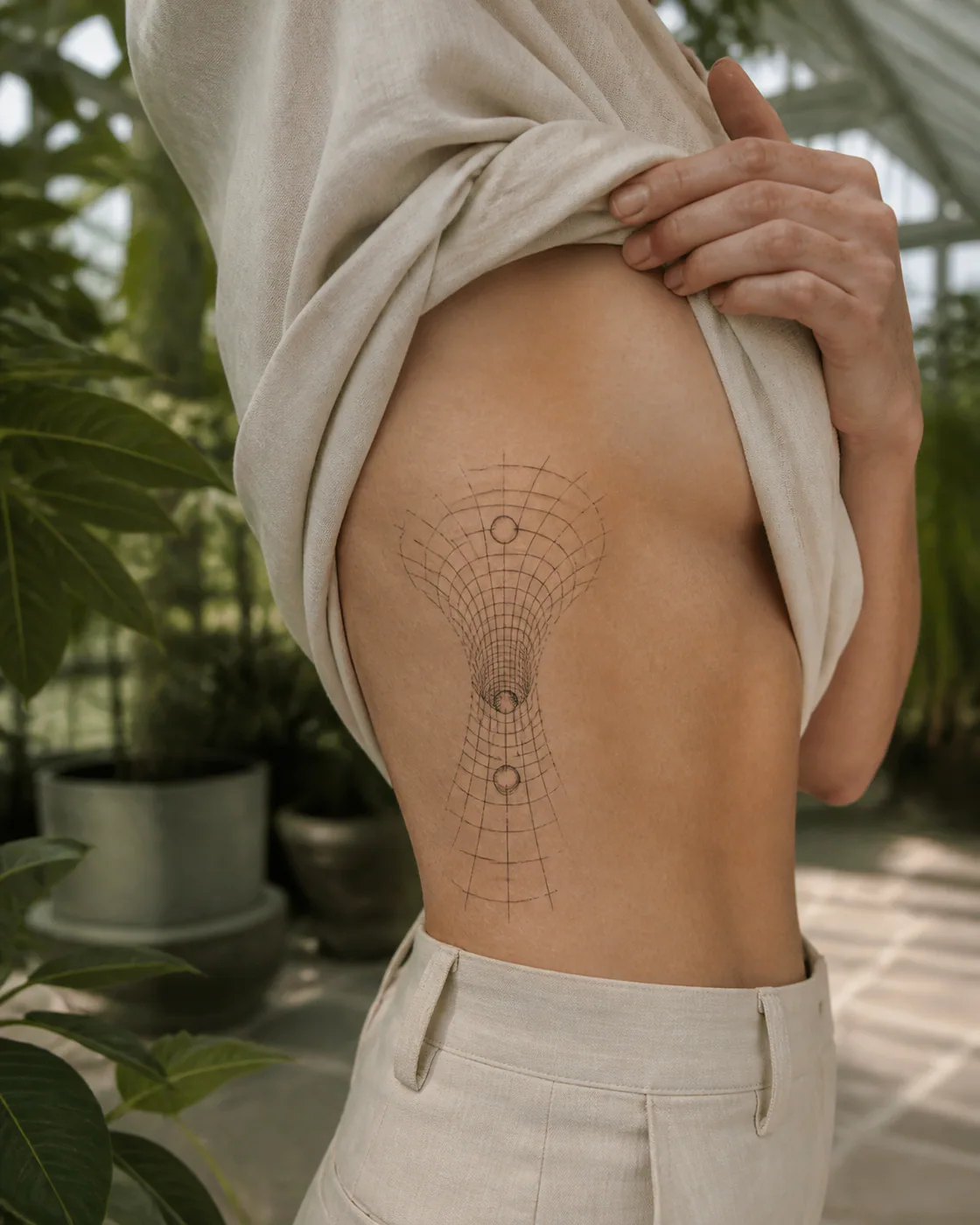
An original geometric concept shaped as a healed minimalist tattoo for the ribs.
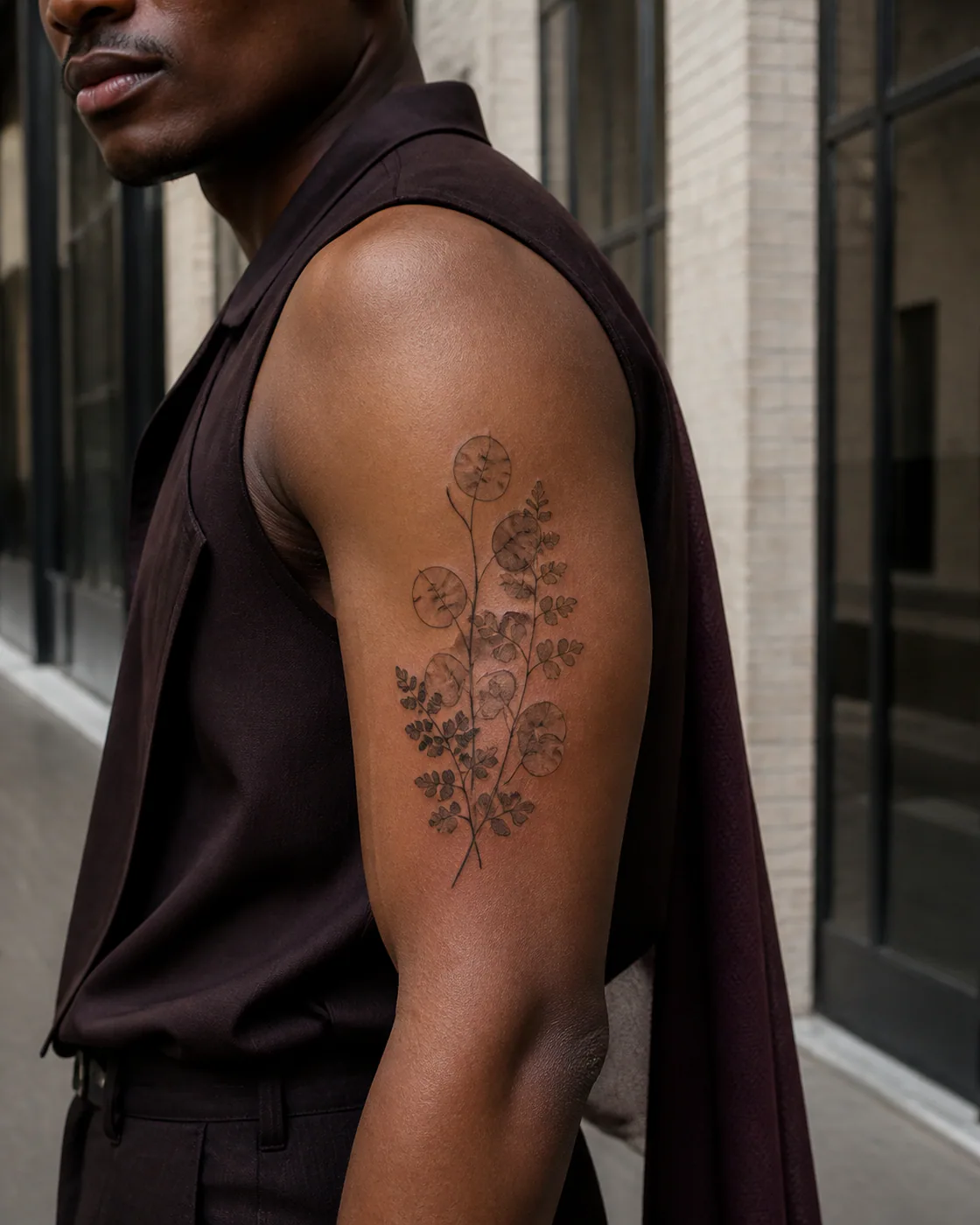
An original botanical concept shaped as a healed minimalist tattoo for the upper arm.
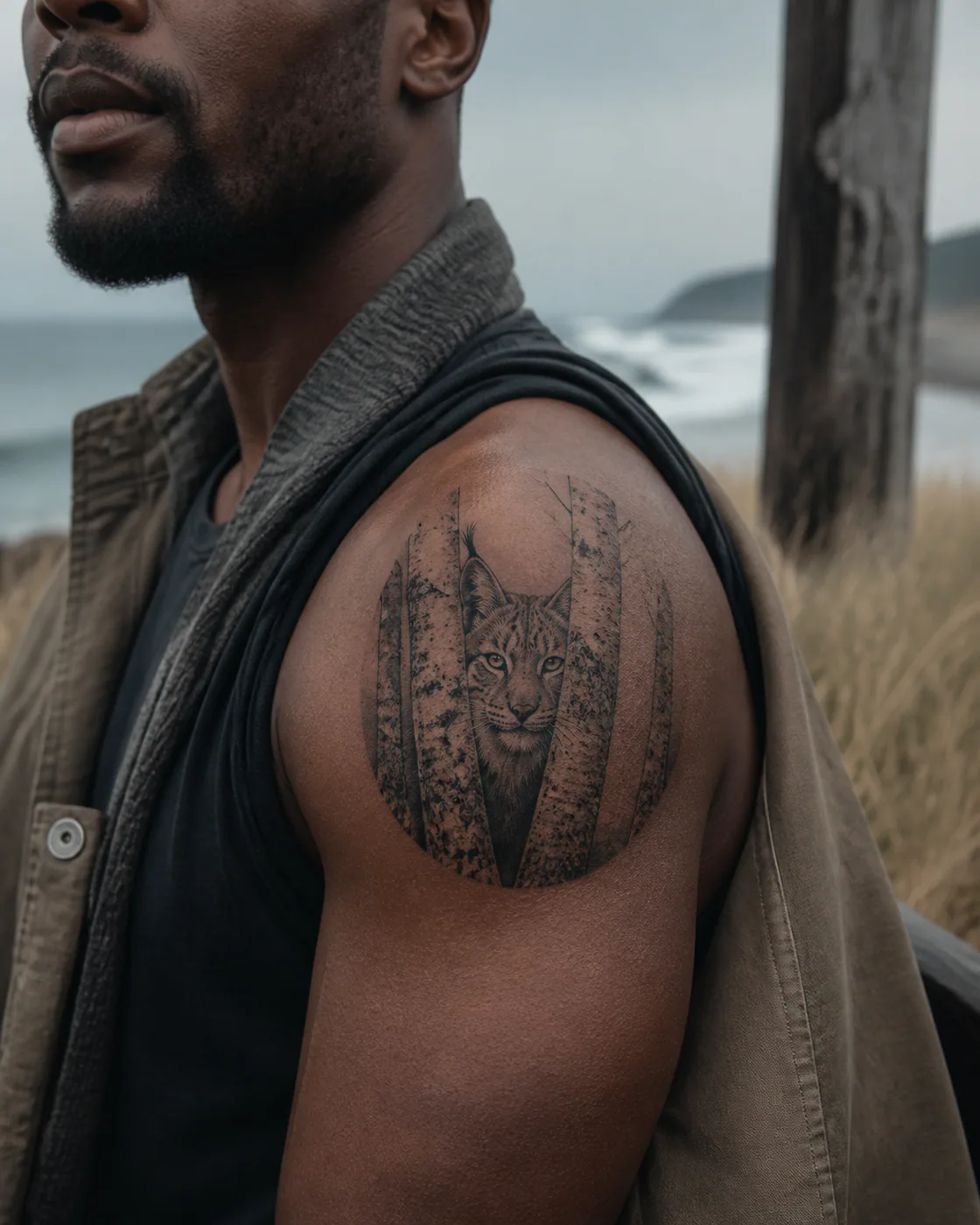
An original animal concept shaped as a healed minimalist tattoo for the shoulder.
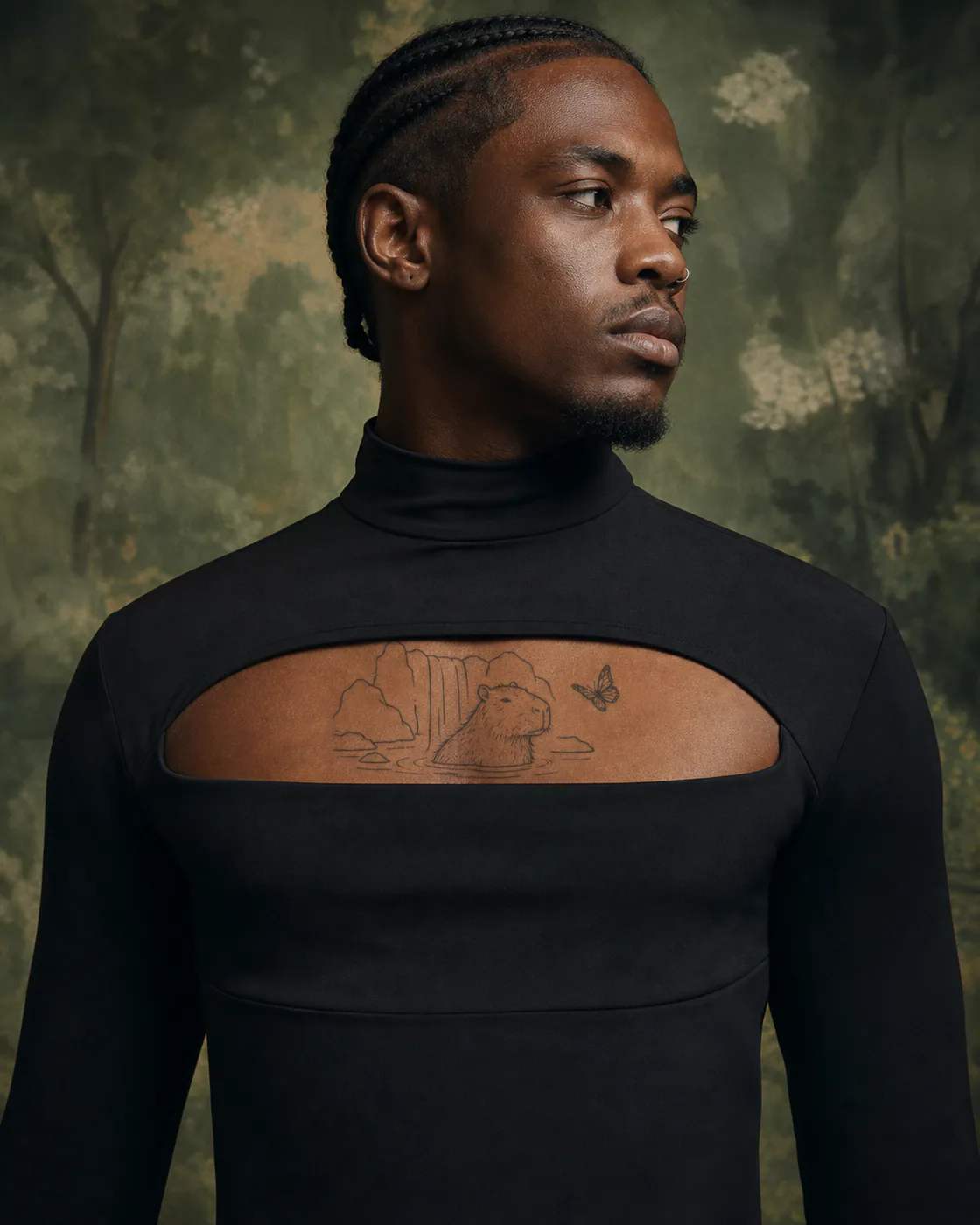
An original playful concept shaped as a healed minimalist tattoo for the chest.
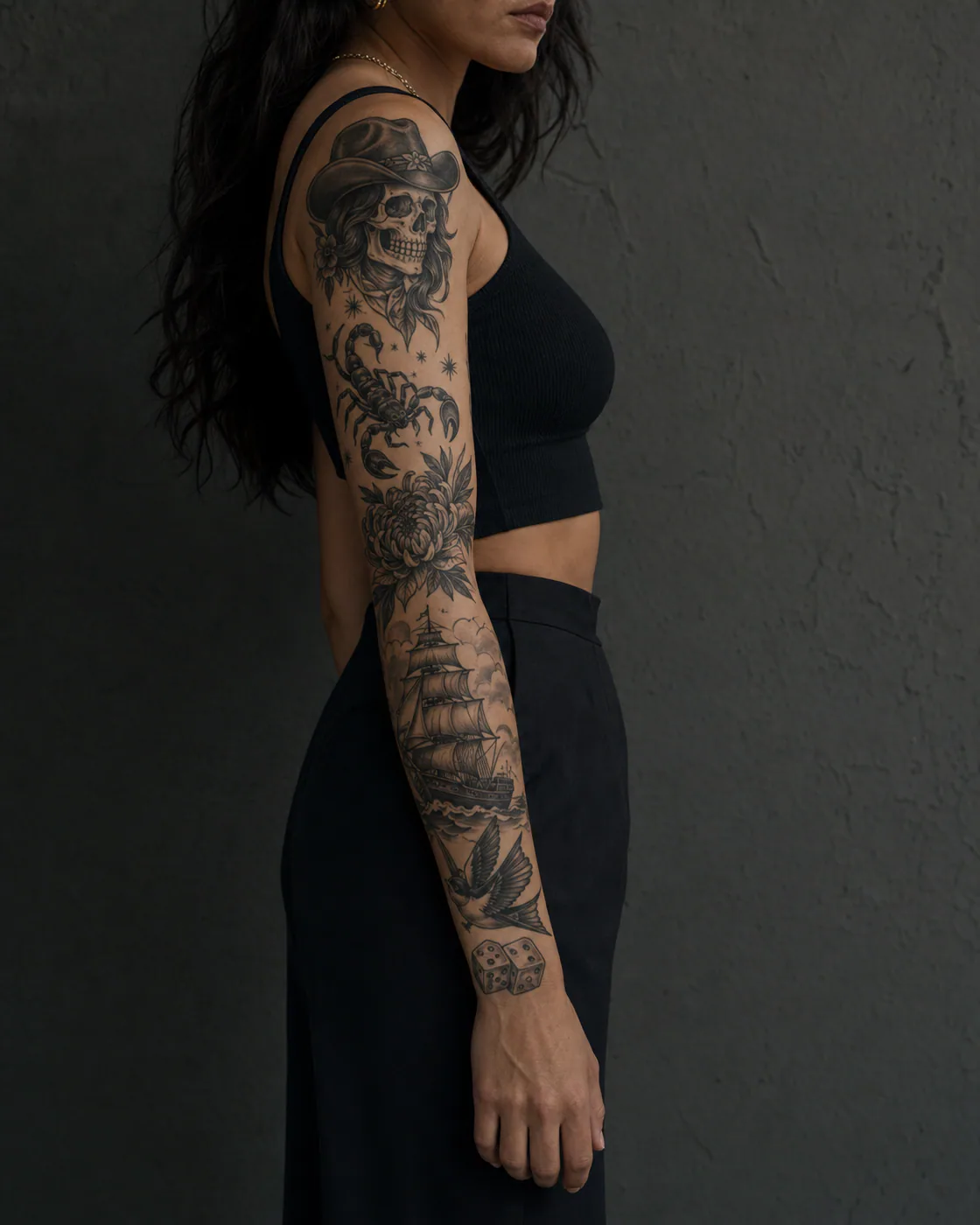
Western attitude meets maritime flash in a darker collection balanced by one large floral anchor.
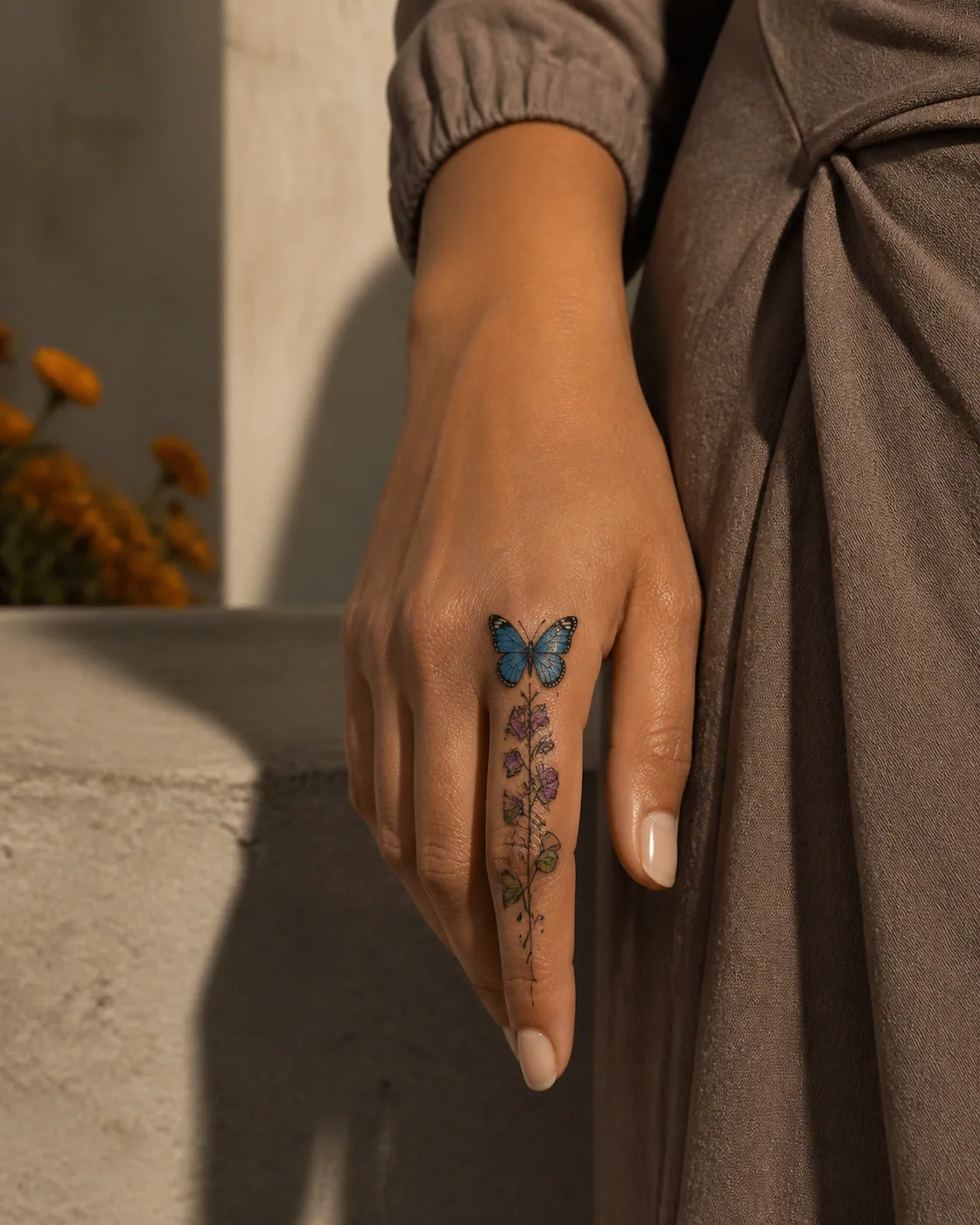
An original flower concept shaped as a healed neo traditional tattoo for the finger.
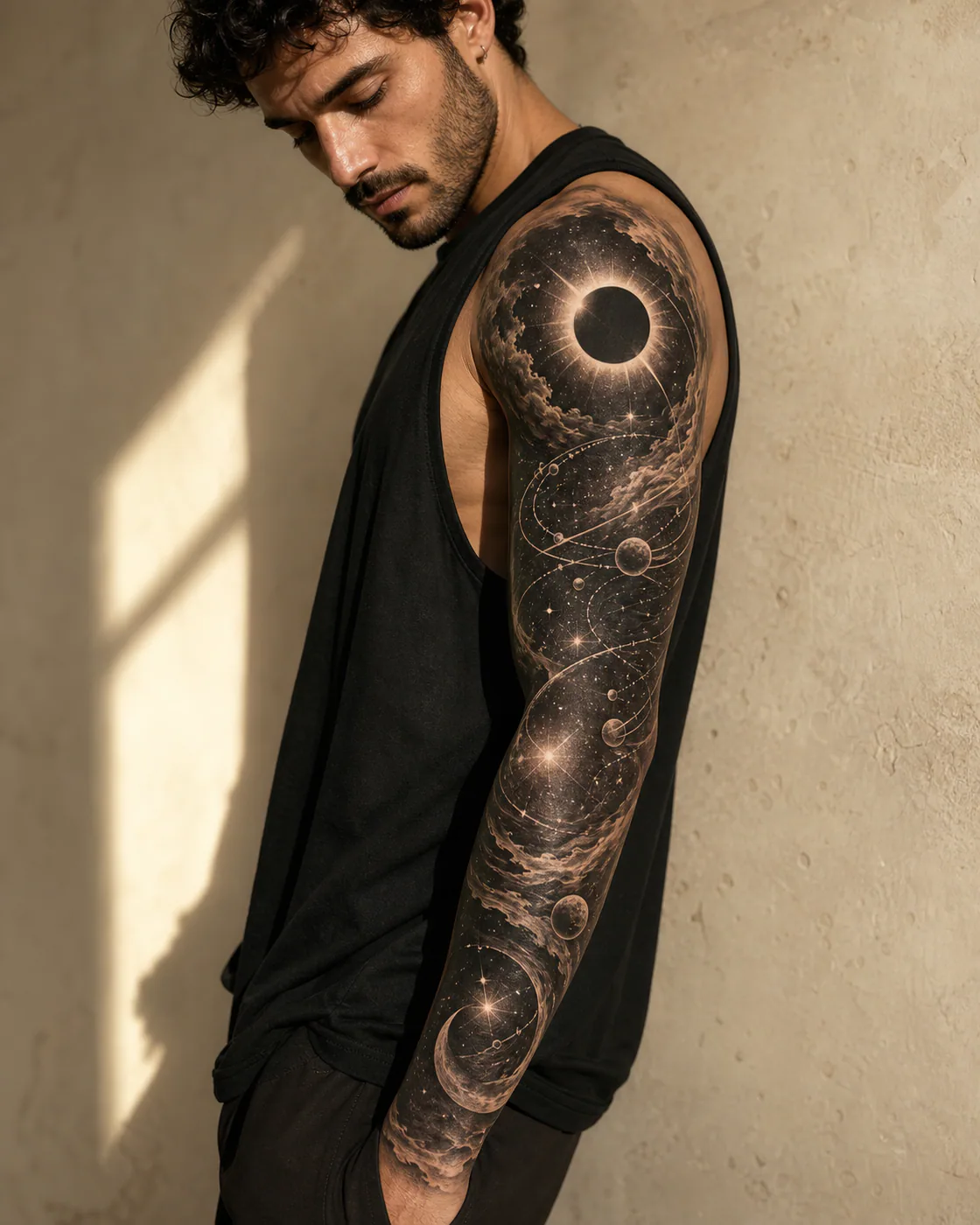
An original celestial concept shaped as a healed black and grey tattoo for the full sleeve.

An original music concept shaped as a healed black and grey tattoo for the wrist.
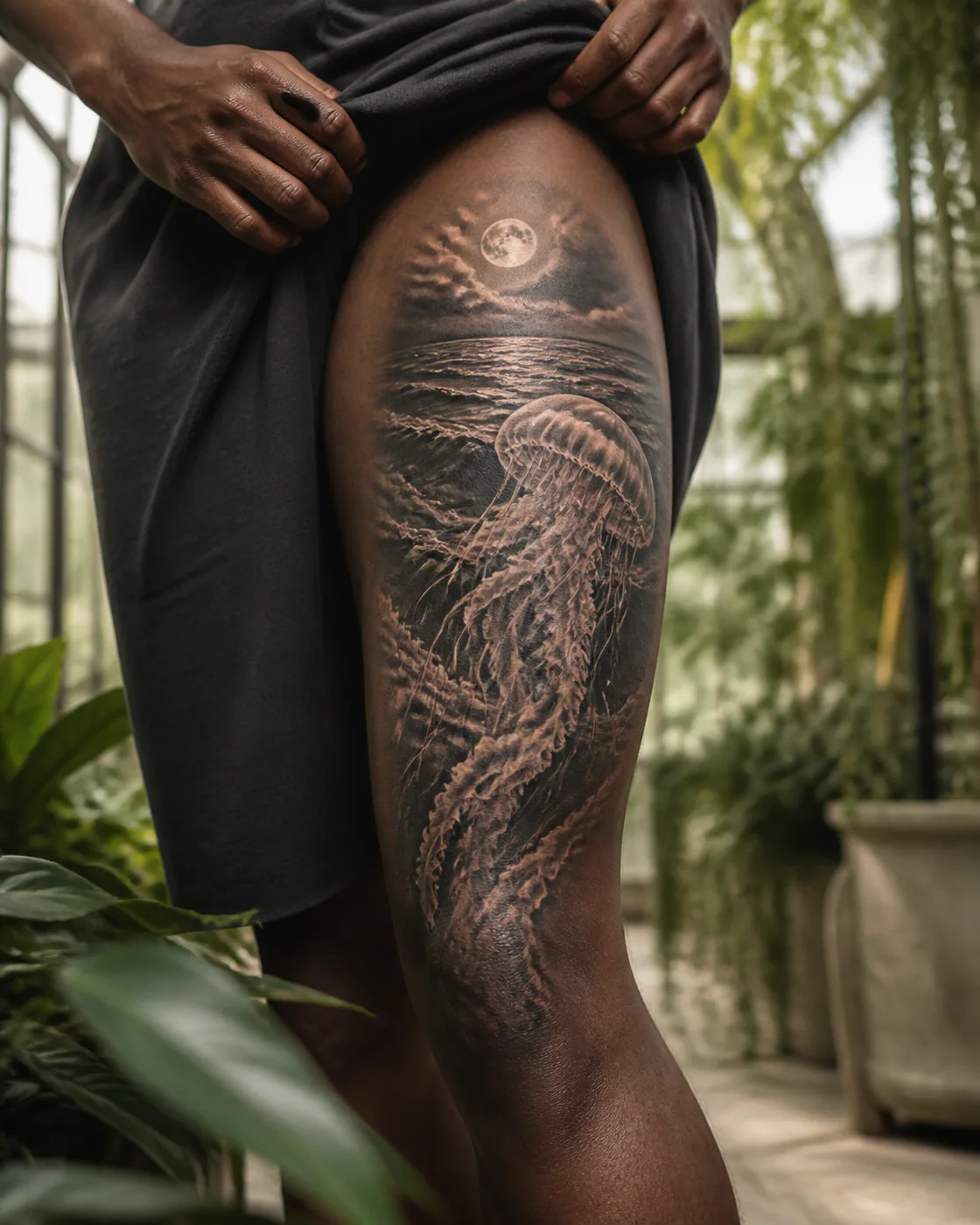
An original nautical concept shaped as a healed black and grey tattoo for the thigh.

An original portrait concept shaped as a healed black and grey tattoo for the full sleeve.
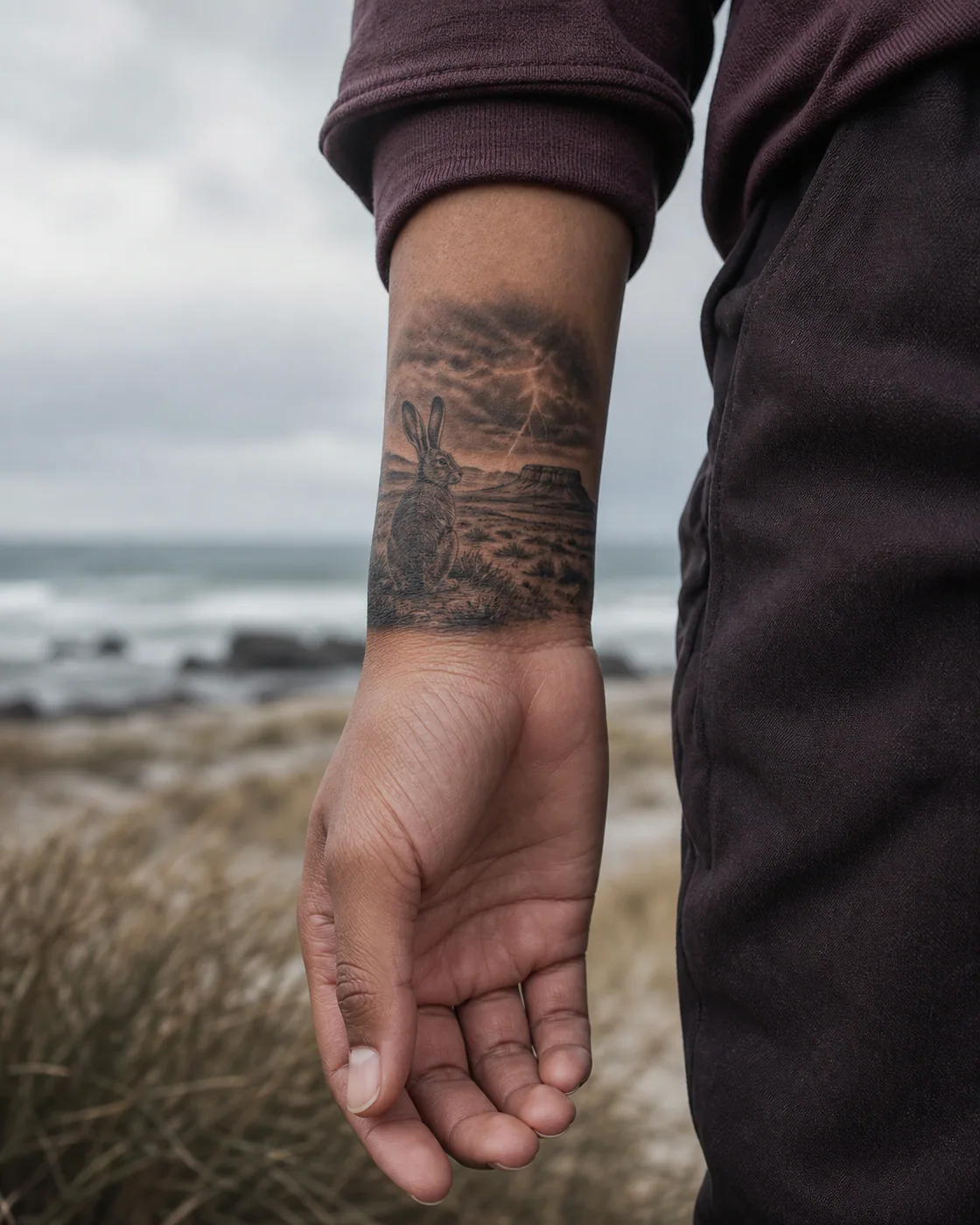
An original western concept shaped as a healed black and grey tattoo for the wrist.
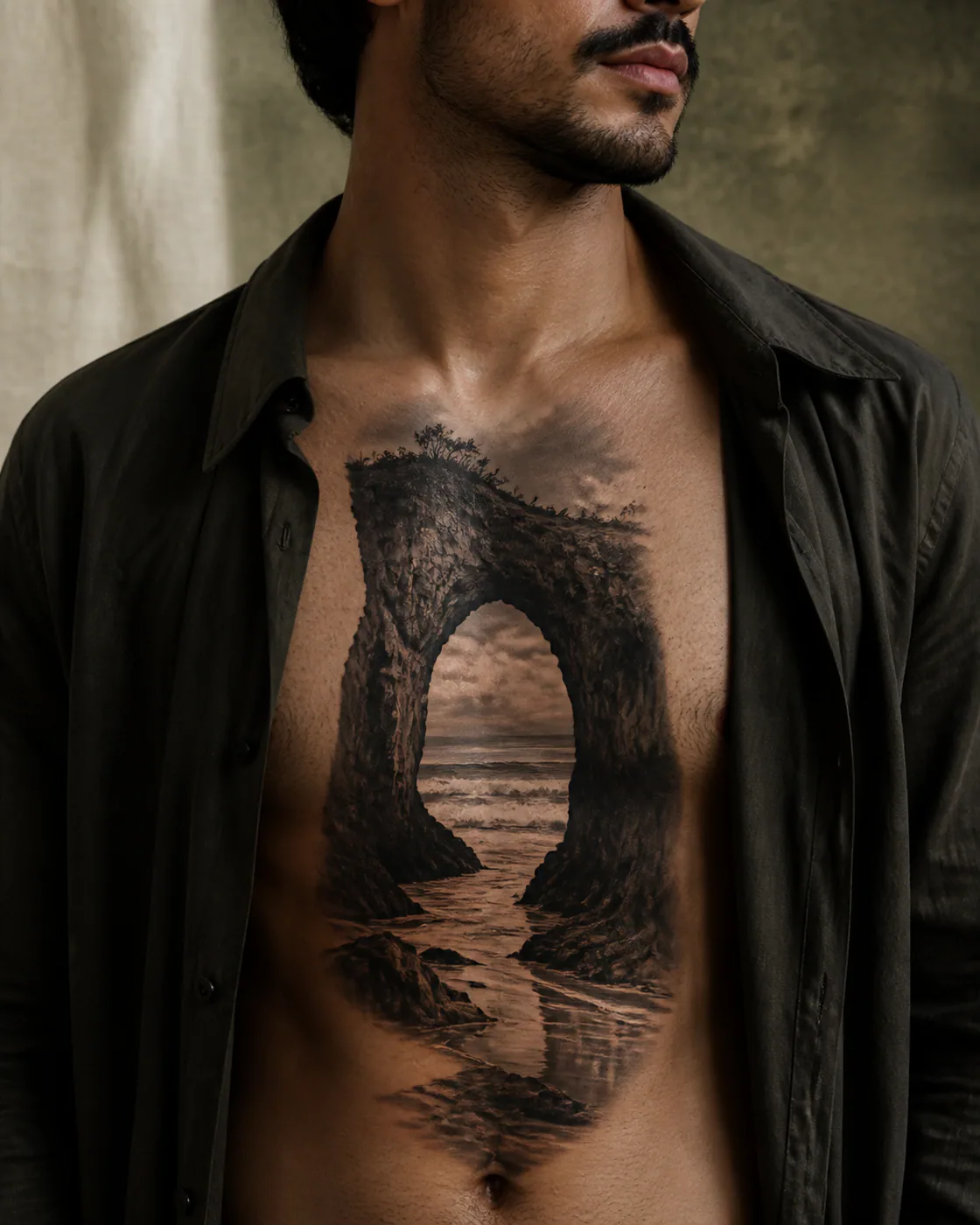
An original nature concept shaped as a healed black and grey tattoo for the sternum.
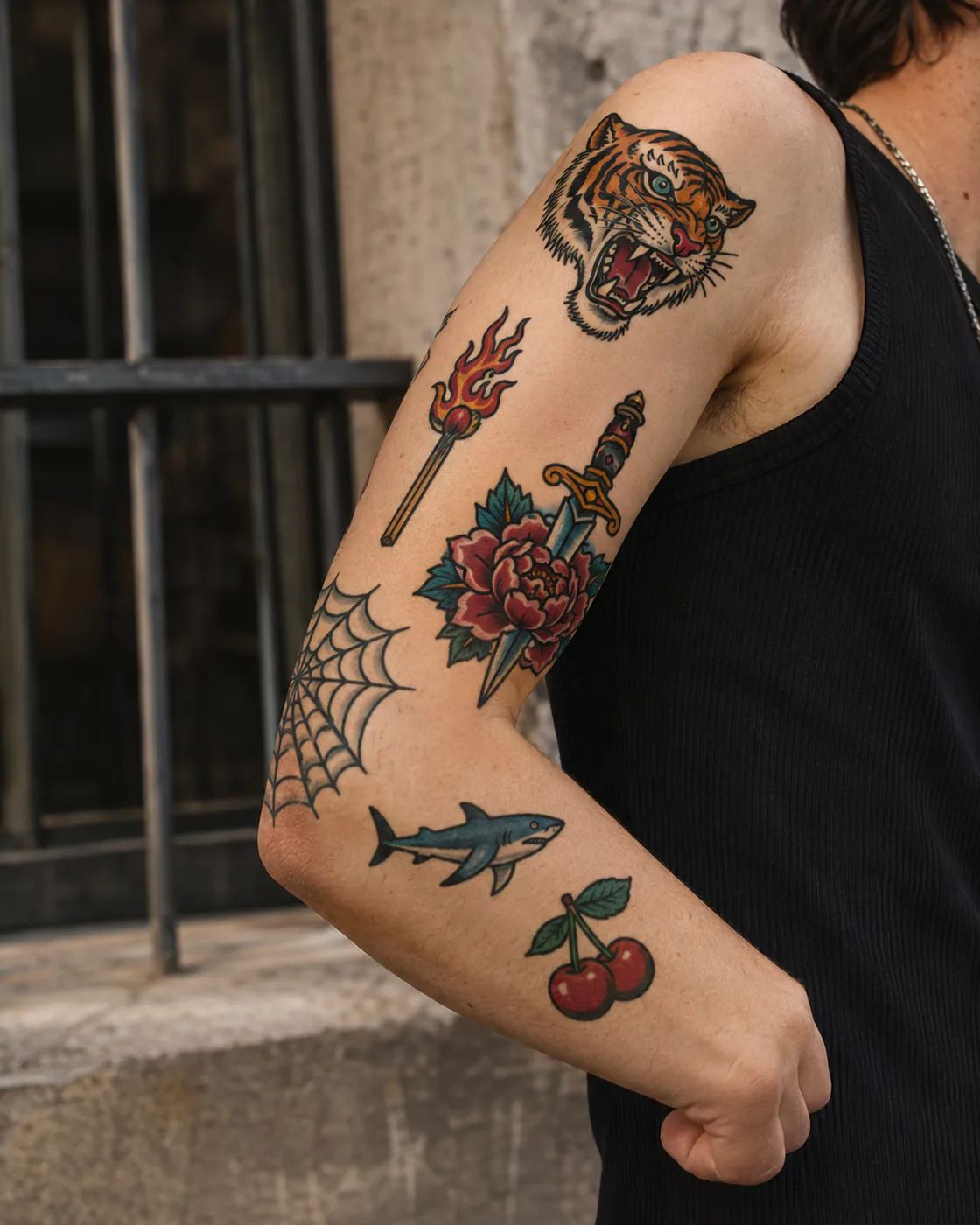
The bent-arm view shows how round flowers and a web can negotiate the elbow between stronger vertical anchors.
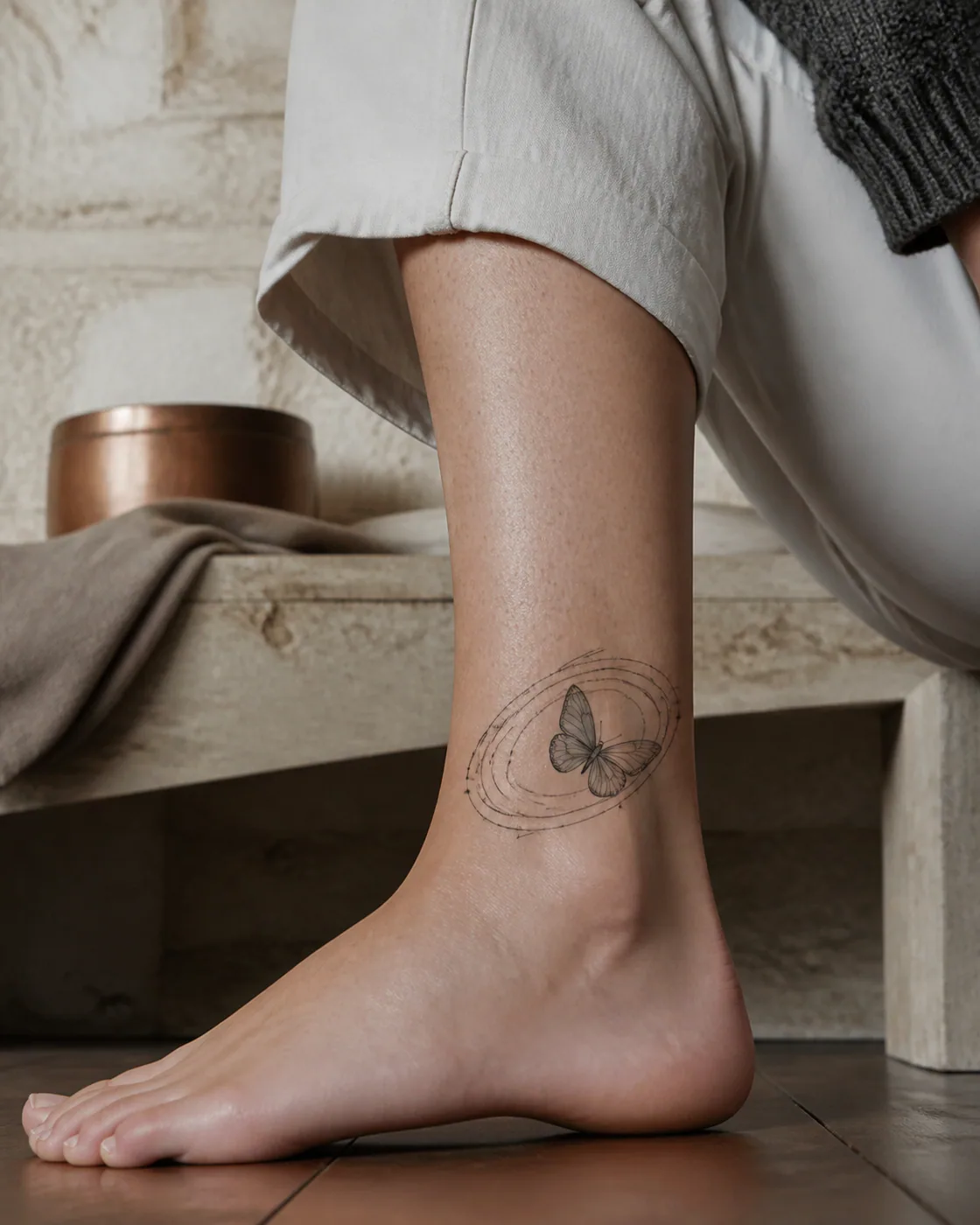
An original celestial concept shaped as a healed geometric tattoo for the ankle.
FROM SAVED IMAGE TO PERSONAL IDEA
A useful reference tells you what you like; a useful concept also explains why it belongs to you and how it should work on your body.
Identify the memory, value, person, place, or change the tattoo should hold. This keeps attractive references from pulling the concept in unrelated directions.
Decide whether the tattoo should read as a small personal mark, a clear conversational image, or a larger composition across the body.
A forearm rotates, a shoulder curves, and a sleeve crosses joints. The same subject needs different proportions and movement on each area.
Keep the subject and placement stable, then compare two styles or detail levels. Changing everything at once makes preferences harder to understand.
COMPARE BEFORE YOU COMMIT
Style changes how a tattoo reads, how much space it needs, and which artist is best equipped to develop it. Use this comparison to narrow your references before a consultation.
These are planning cues, not technical guarantees. Final scale, line spacing, placement, and execution should be decided with a tattoo artist after they assess your anatomy and skin.
MAKE INSPIRATION ACTIONABLE
Collect fewer references and annotate them. Your artist needs to know which parts carry the meaning, which visual qualities you prefer, and where there is room to redesign.
Keep links or creator information alongside screenshots so the context is not lost and existing artwork is not mistaken for an original design.
Note the composition, line weight, contrast, palette, movement, or mood. “I like this tattoo” is less useful than naming the exact quality.
Include placement photos, approximate dimensions, visibility needs, existing tattoos, and whether the concept may expand later.
TATTOO IDEA FAQ
Use these answers to narrow your direction, then confirm technical decisions with an experienced tattoo artist.
Begin with a specific memory, object, place, relationship, or value. Combine that source with a visual style and placement you genuinely enjoy instead of trying to invent an unusual symbol for its own sake.
Consider meaning, final physical size, body placement, visibility, visual style, artist specialization, budget, healing time, and how much detail can remain readable over time.
Yes, as a concept reference. Explain which parts matter, disclose that it was generated, and ask the artist to redraw it for anatomy, technique, originality, and long-term readability.
Develop a clear subject and direction, then choose an artist whose healed portfolio fits that style. Let the final design grow through consultation rather than finishing every line before selecting the artist.
A focused group of three to six annotated references is usually more useful than a large unfiltered board. Include subject, style, composition, and placement references only when each adds distinct information.
TURN A DIRECTION INTO A CONCEPT
Use the AI generator to explore a focused direction, or preview an existing design on a body photo before discussing scale and placement with your artist.