FLOWER TATTOO IDEAS
Flower tattoo ideas rooted in a real story
Flowers become personal when the species, season, growth stage, and supporting details have a reason to be there. Choose the botanical story first, then decide whether it should feel precise, wild, graphic, or ornamental.

FLOWER TATTOOS LIBRARY
Browse 6 curated flower tattoos directions
Use the shared facets to combine style, subject, and placement. Clean links represent published SEO collections; unpublished combinations only refine this gallery and remain noindex.
77 design directions
Page 1 of 4
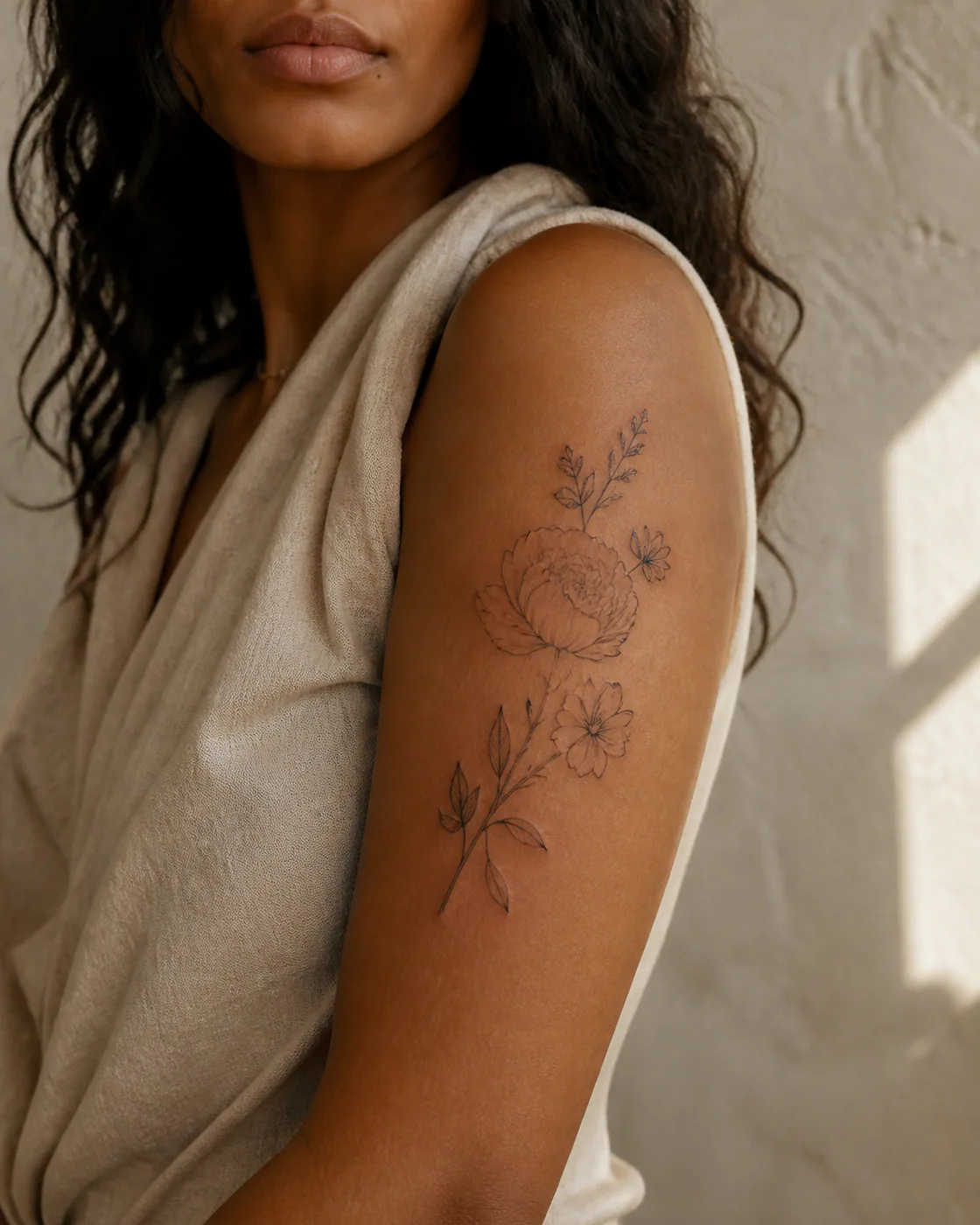
Minimalist Flower Tattoo for the Upper Arm
An original flower concept shaped as a healed minimalist tattoo for the upper arm.
- Minimalist
- Flowers & Botanicals
- Upper Arm
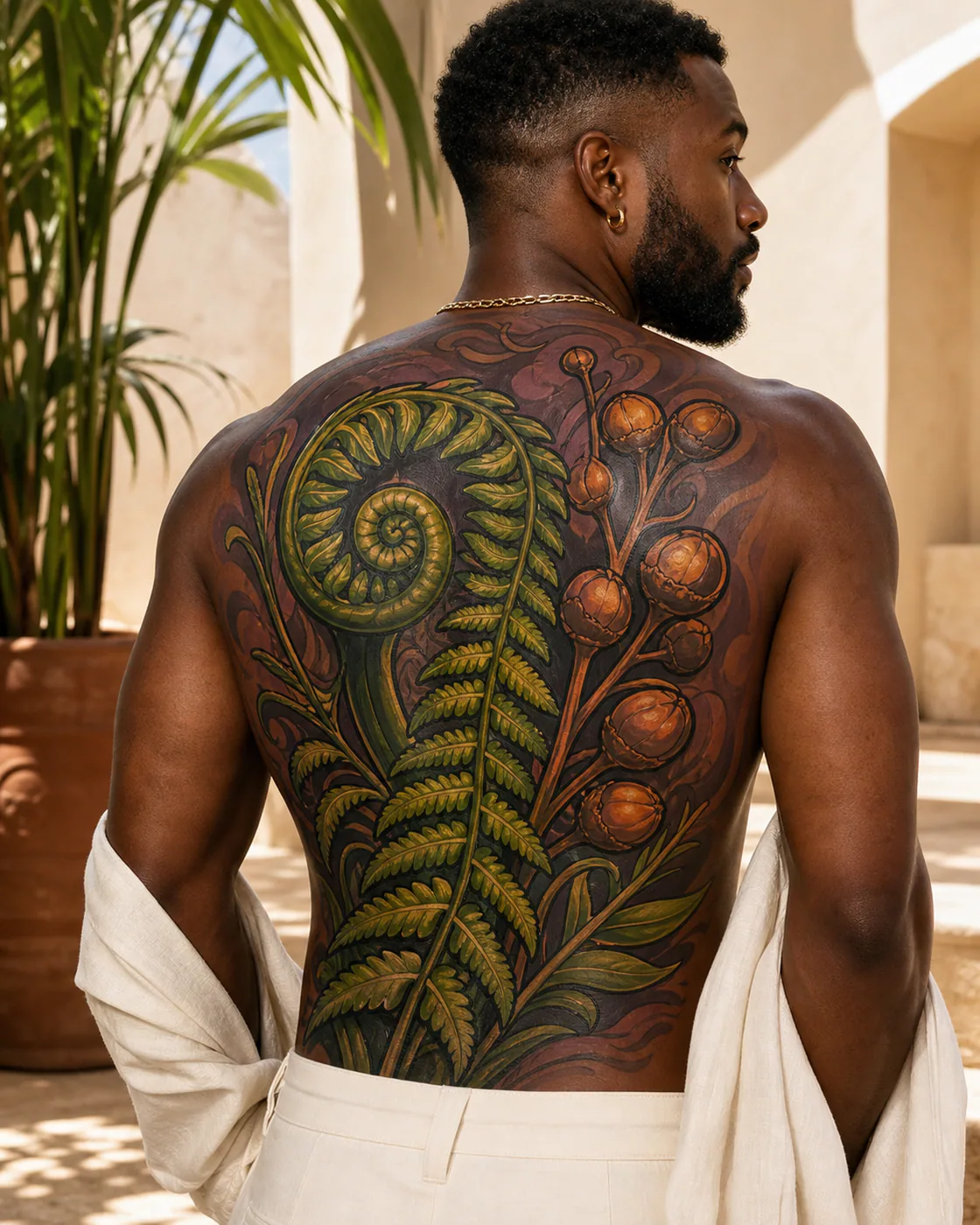
New School Botanical Tattoo for the Full Back
An original botanical concept shaped as a healed new school tattoo for the full back.
- New School
- Flowers & Botanicals
- Full Back
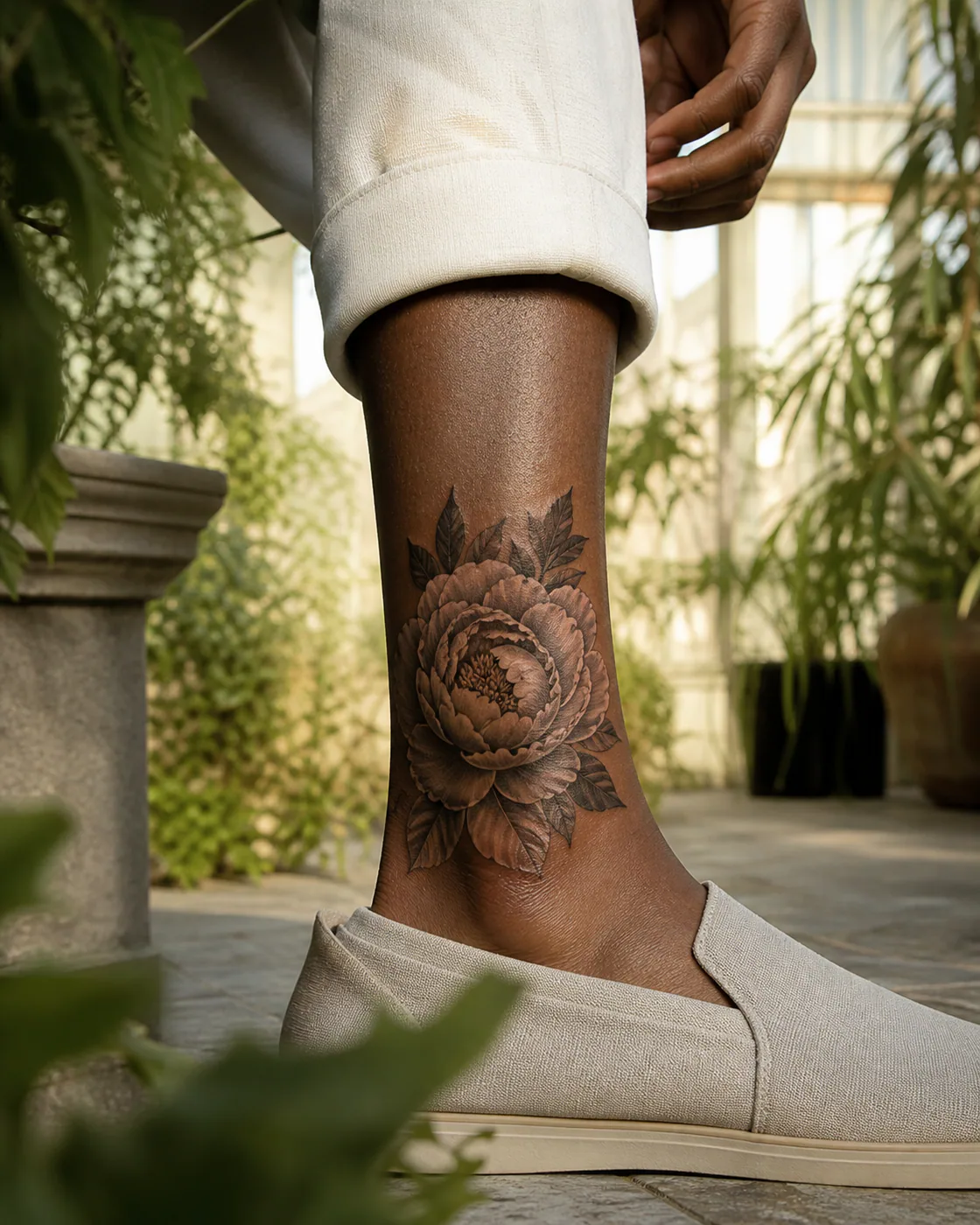
Realism Flower Tattoo for the Ankle
An original flower concept shaped as a healed realism tattoo for the ankle.
- Realism
- Flowers & Botanicals
- Ankle
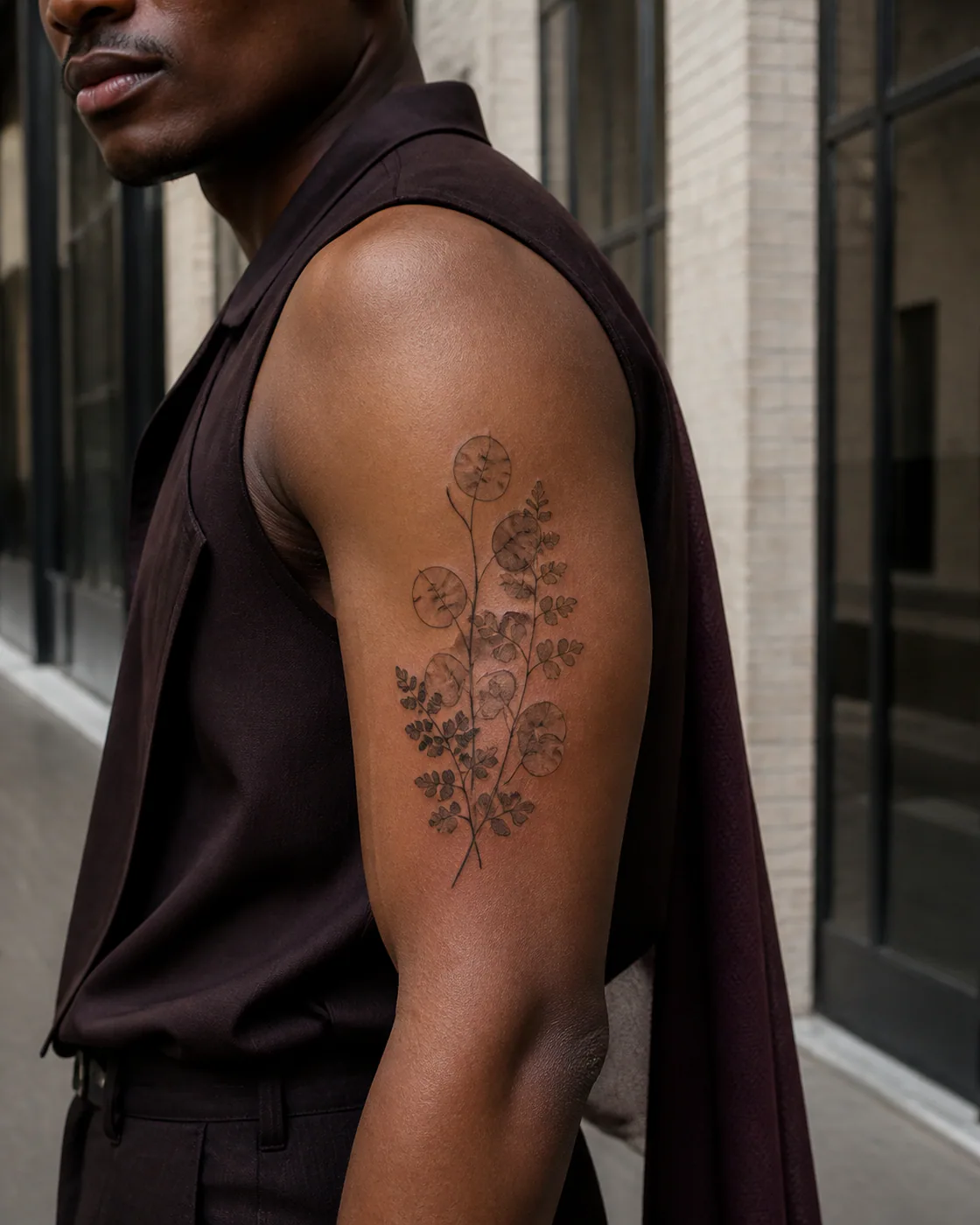
Minimalist Botanical Tattoo for the Upper Arm
An original botanical concept shaped as a healed minimalist tattoo for the upper arm.
- Minimalist
- Flowers & Botanicals
- Upper Arm
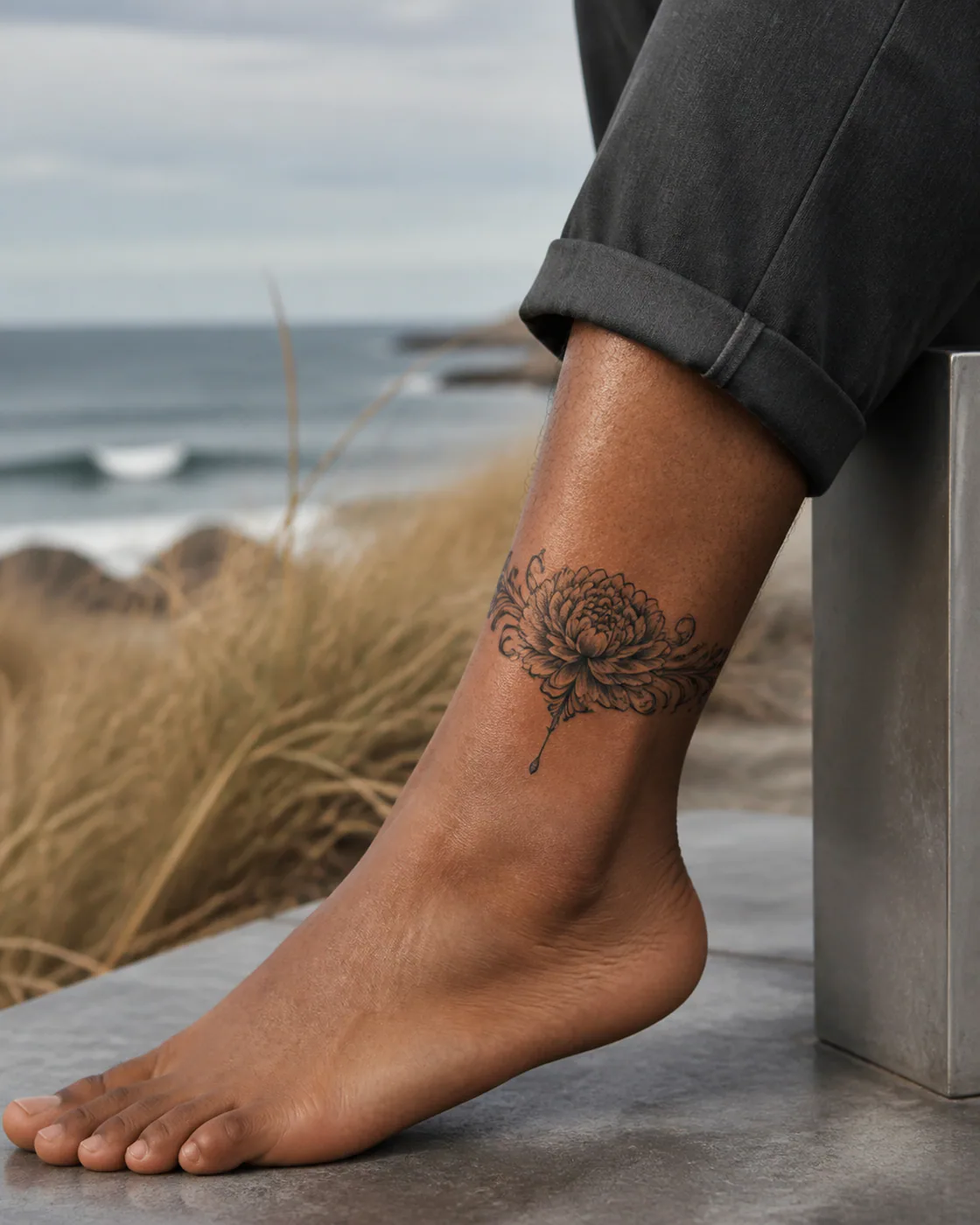
Ornamental Flower Tattoo for the Ankle
An original flower concept shaped as a healed ornamental tattoo for the ankle.
- Ornamental
- Flowers & Botanicals
- Ankle
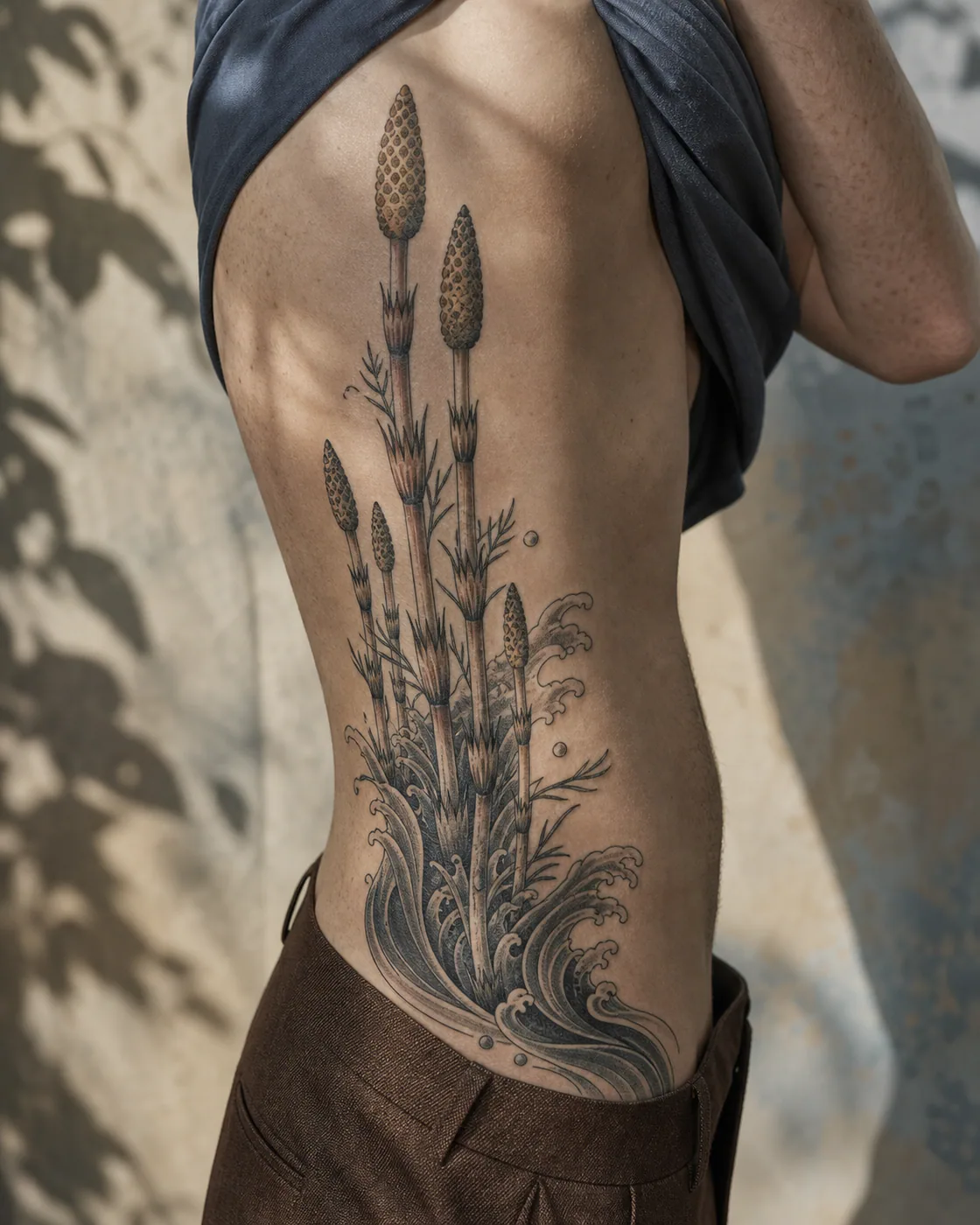
Japanese Botanical Tattoo for the Ribs
An original botanical concept shaped as a healed japanese tattoo for the ribs.
- Japanese
- Flowers & Botanicals
- Ribs / Side
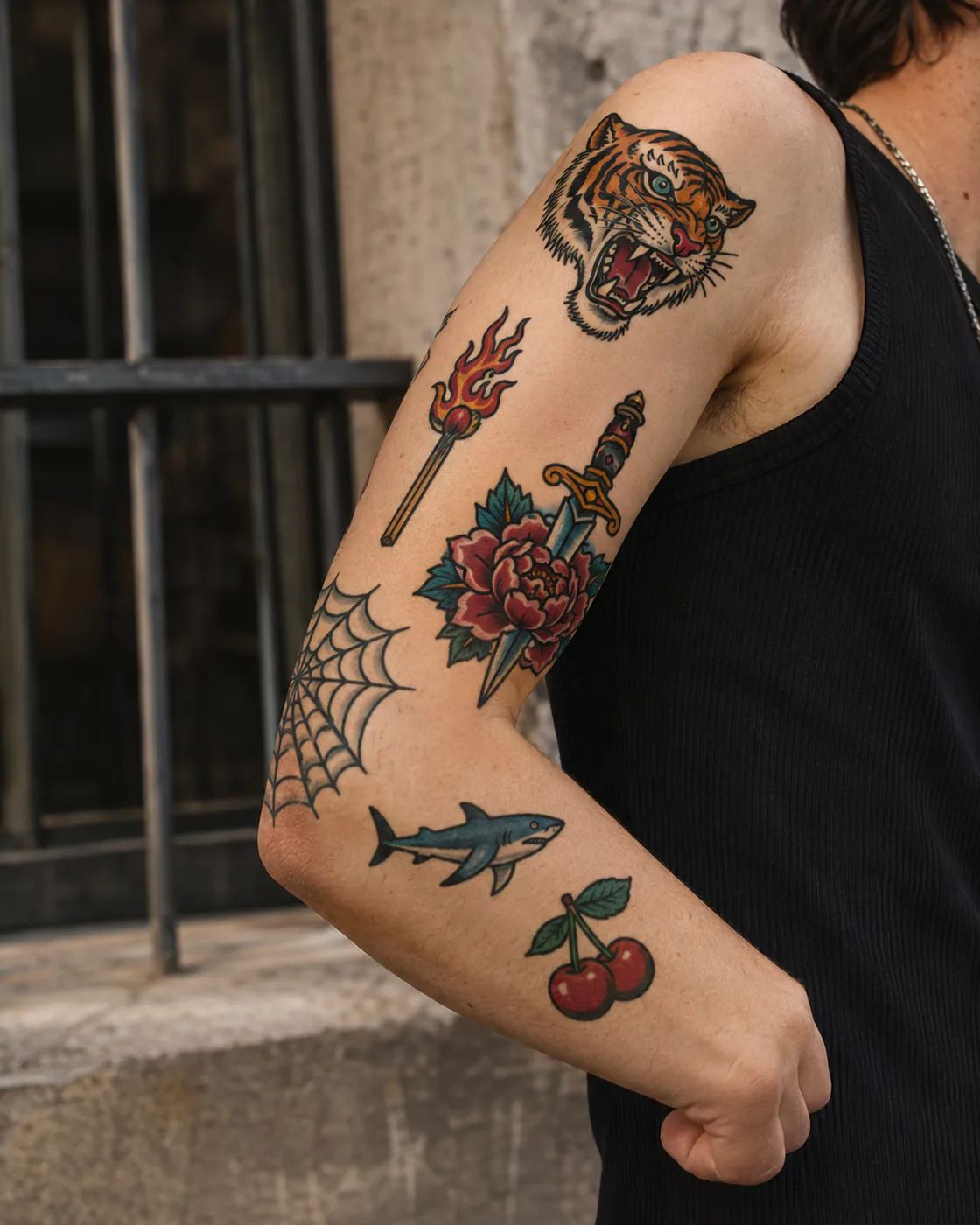
Tiger and peony elbow composition
The bent-arm view shows how round flowers and a web can negotiate the elbow between stronger vertical anchors.
- American Traditional
- Animals
- Full Sleeve
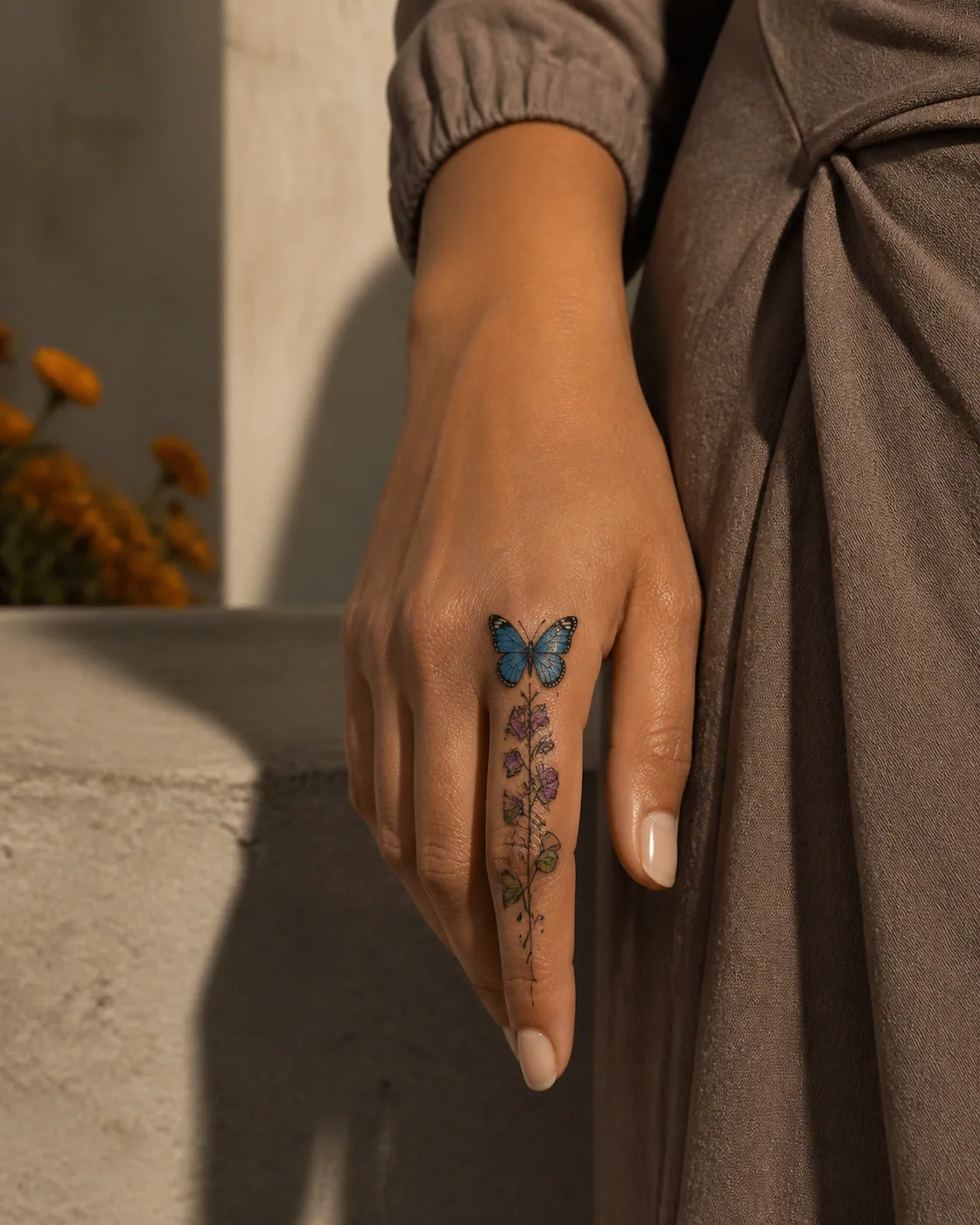
Neo Traditional Flower Tattoo for the Finger
An original flower concept shaped as a healed neo traditional tattoo for the finger.
- Neo-Traditional
- Flowers & Botanicals
- Finger
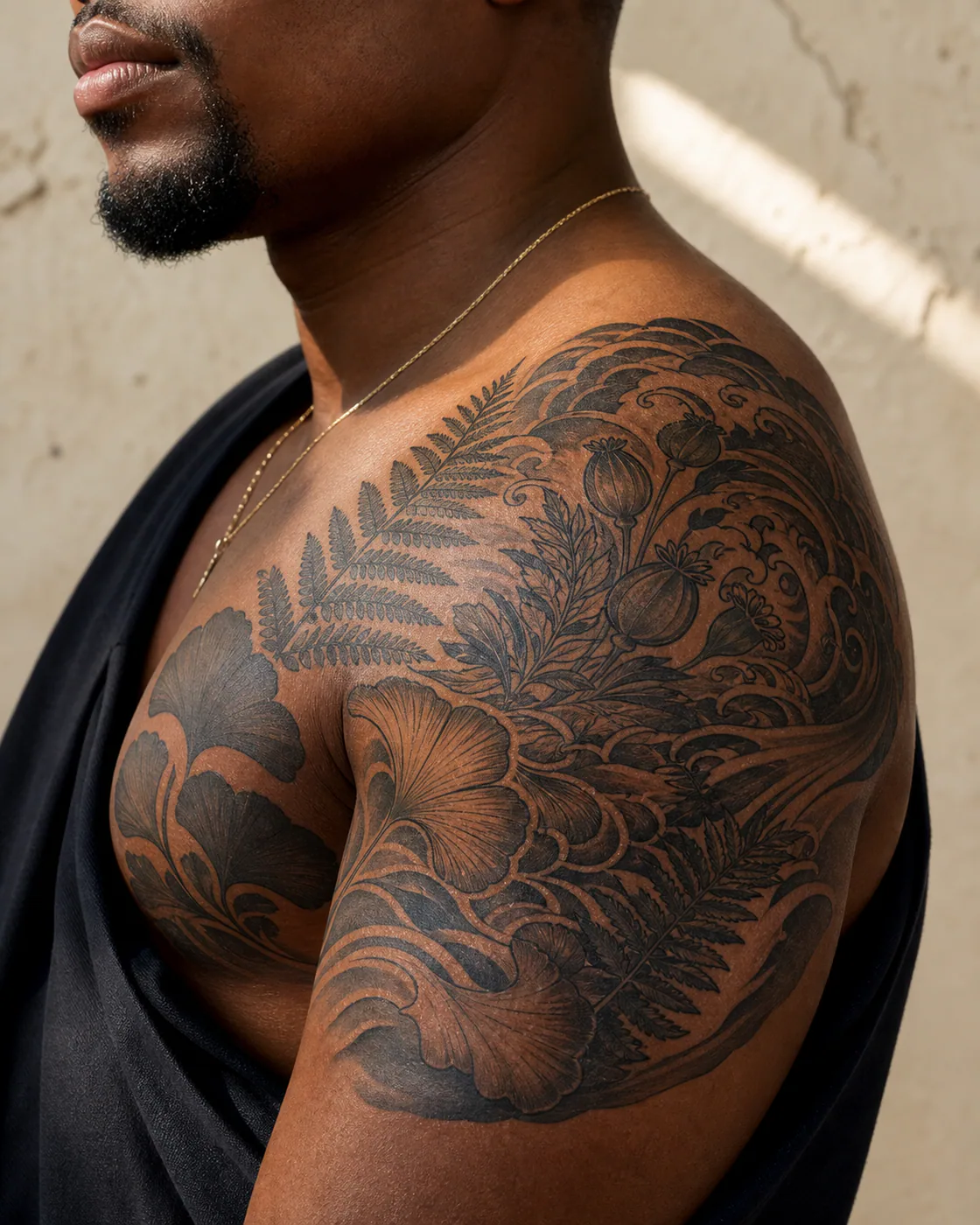
Japanese Botanical Tattoo for the Shoulder
An original botanical concept shaped as a healed japanese tattoo for the shoulder.
- Japanese
- Flowers & Botanicals
- Shoulder
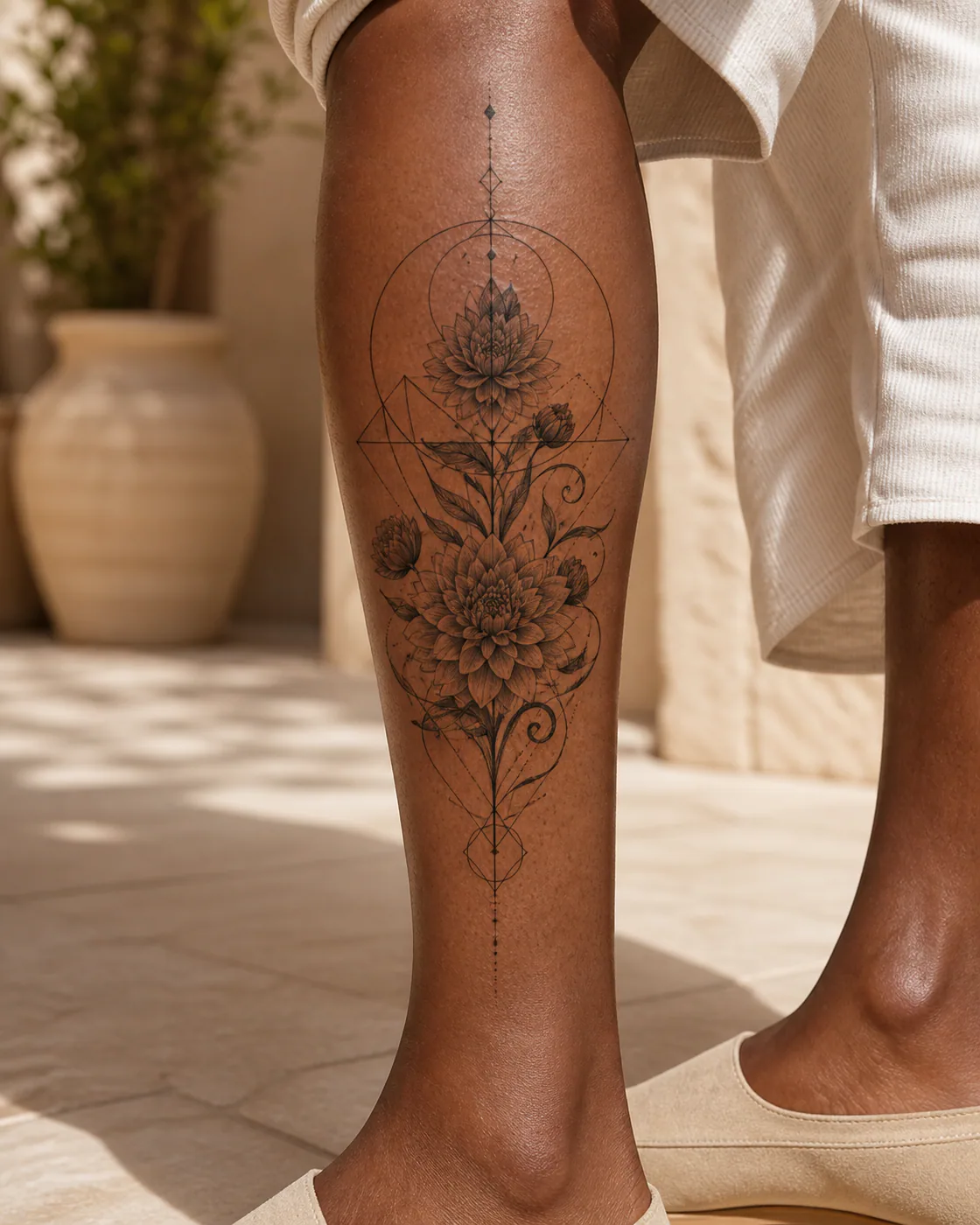
Geometric Flower Tattoo for the Calf
An original flower concept shaped as a healed geometric tattoo for the calf.
- Geometric
- Flowers & Botanicals
- Calf
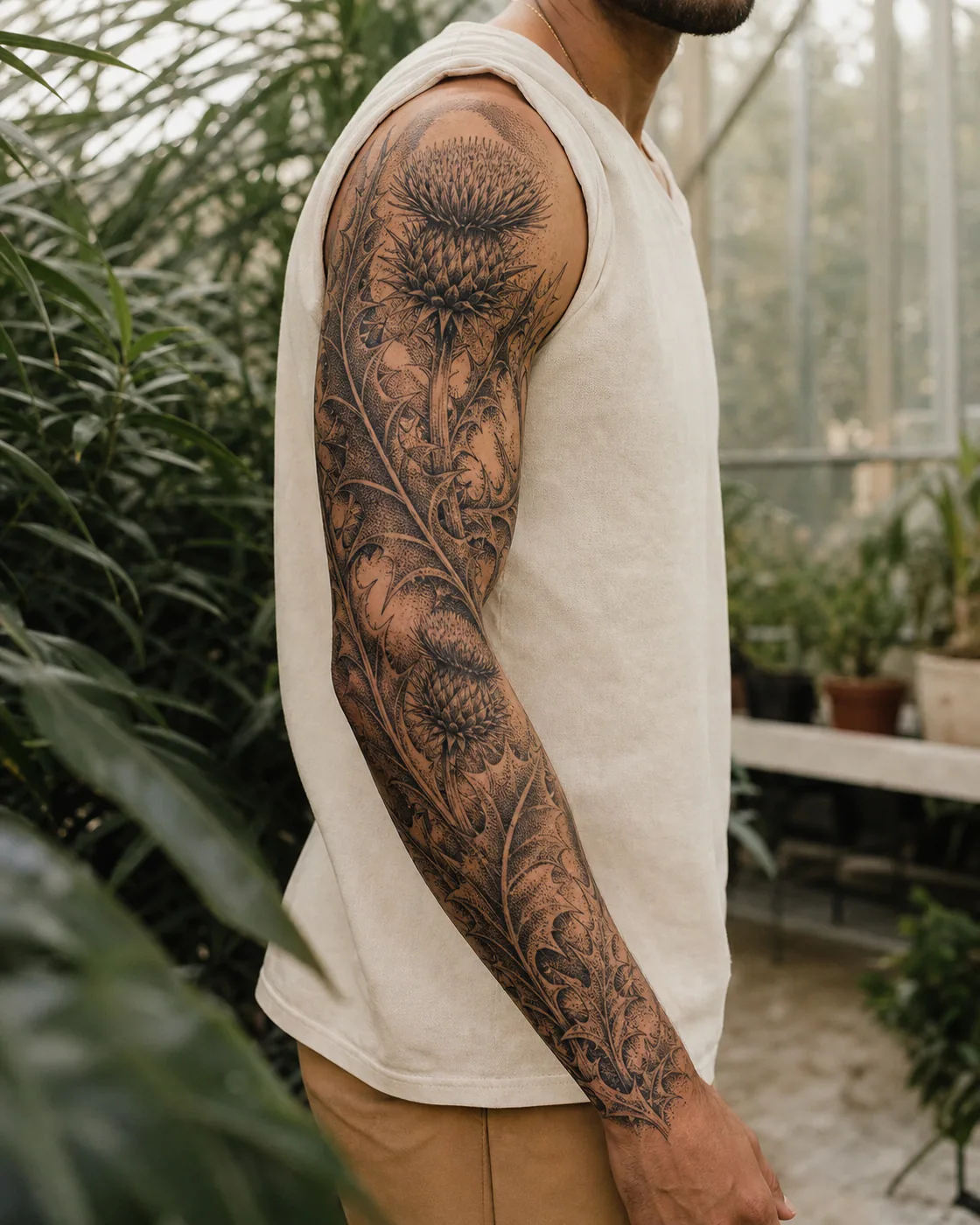
Dotwork Botanical Tattoo for the Full Sleeve
An original botanical concept shaped as a healed dotwork tattoo for the full sleeve.
- Dotwork
- Flowers & Botanicals
- Full Sleeve
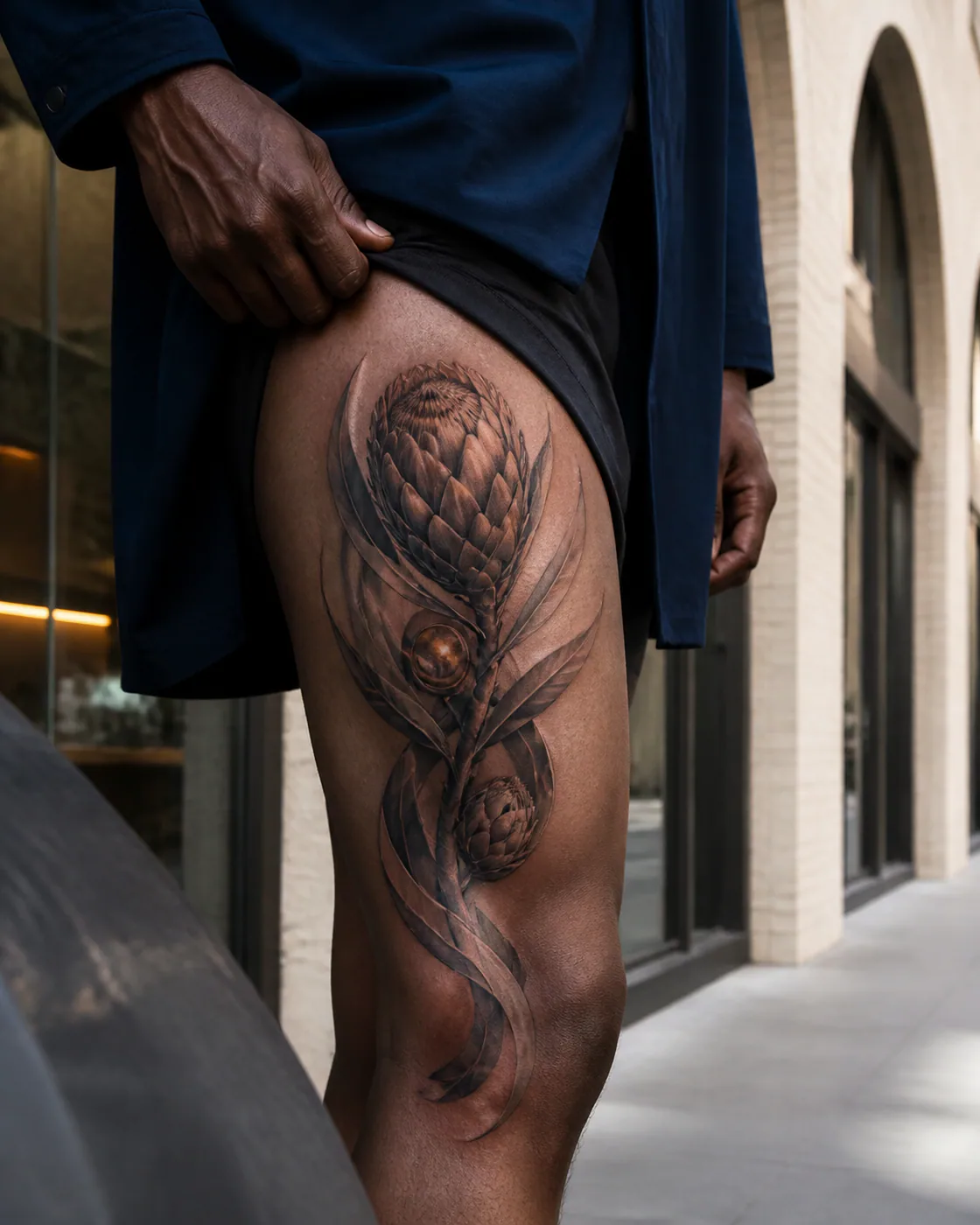
Surrealism Family Flower Tattoo for the Thigh
An original flower concept shaped as a healed surrealism tattoo for the thigh.
- Surrealism
- Flowers & Botanicals
- Thigh
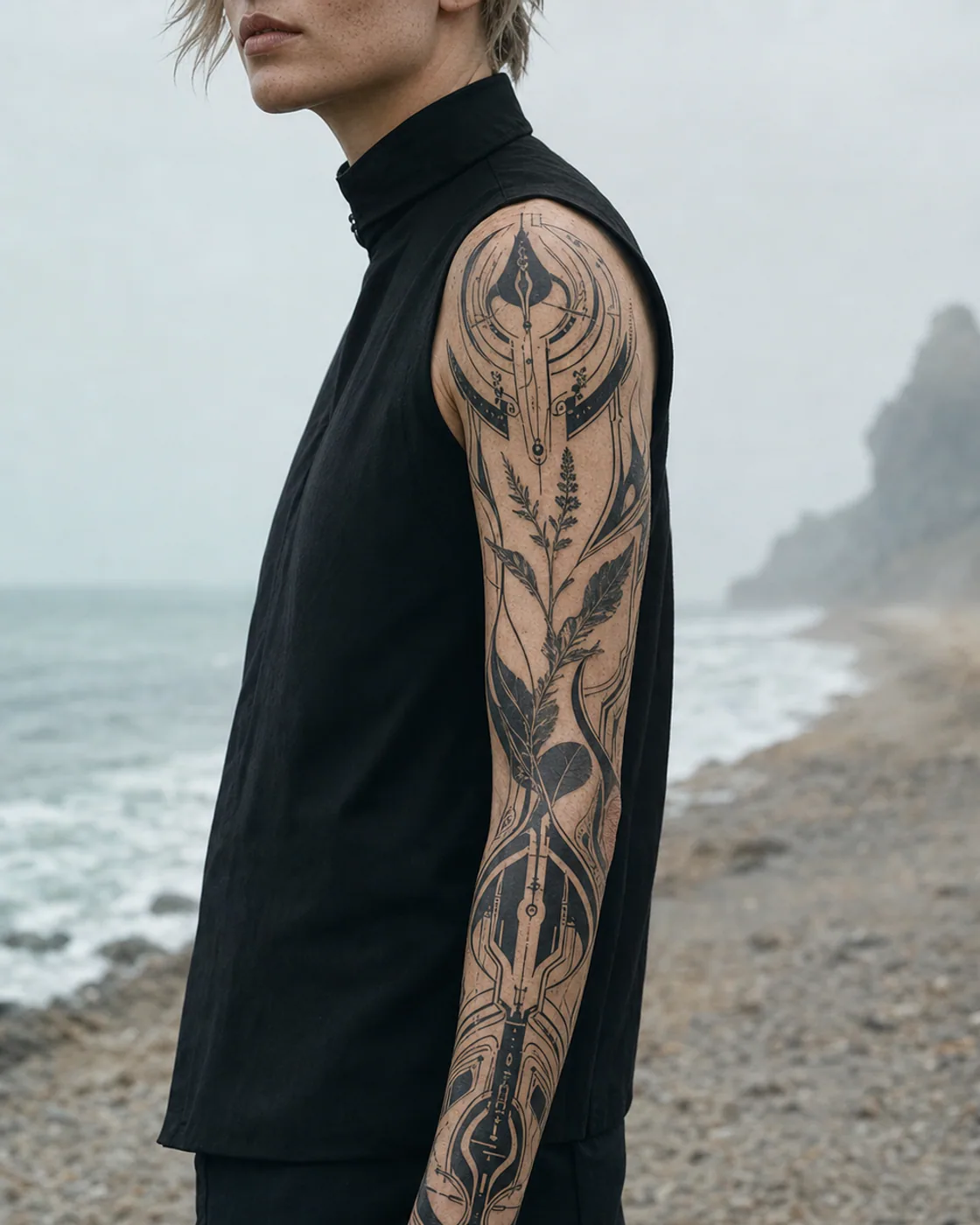
Cyber Sigilism Botanical Tattoo for the Full Sleeve
An original botanical concept shaped as a healed cyber sigilism tattoo for the full sleeve.
- Cybersigilism
- Flowers & Botanicals
- Full Sleeve
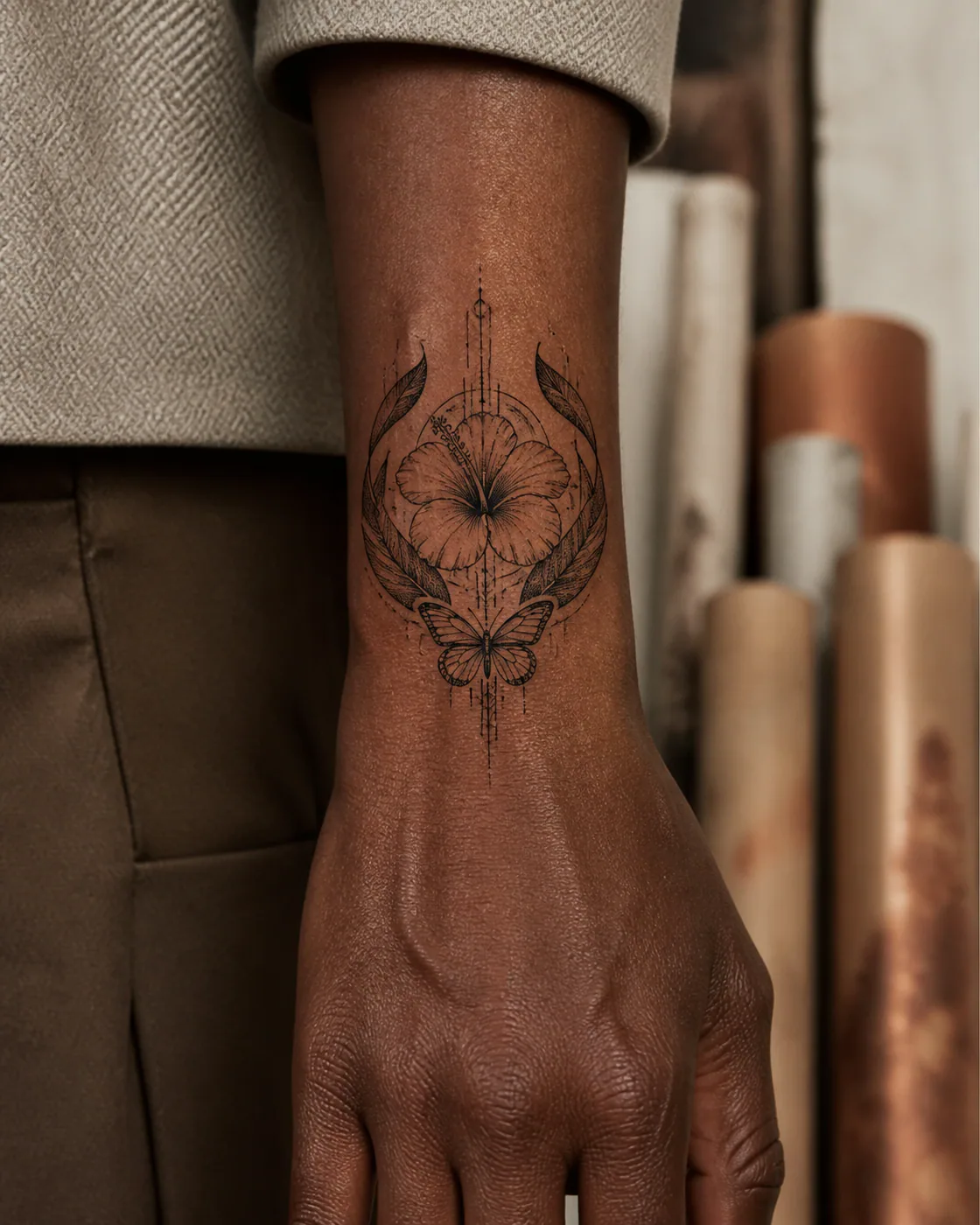
Cyber Sigilism Flower Tattoo for the Wrist
An original flower concept shaped as a healed cyber sigilism tattoo for the wrist.
- Cybersigilism
- Flowers & Botanicals
- Wrist
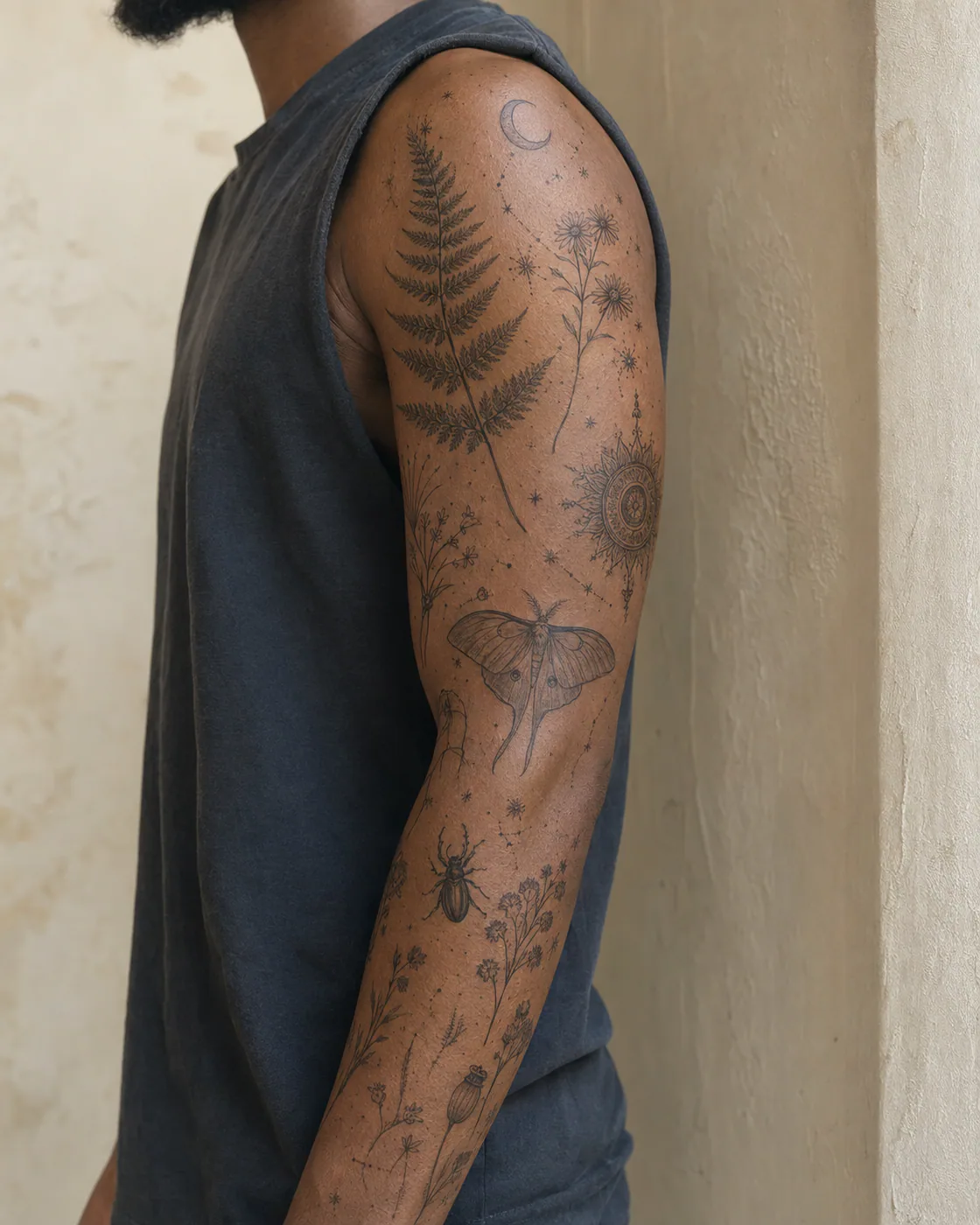
Fern, moth, and crescent fine-line sleeve
Long fern silhouettes guide the eye down the arm while the moth provides a centered, readable anchor.
- Fine Line
- Flowers & Botanicals
- Full Sleeve
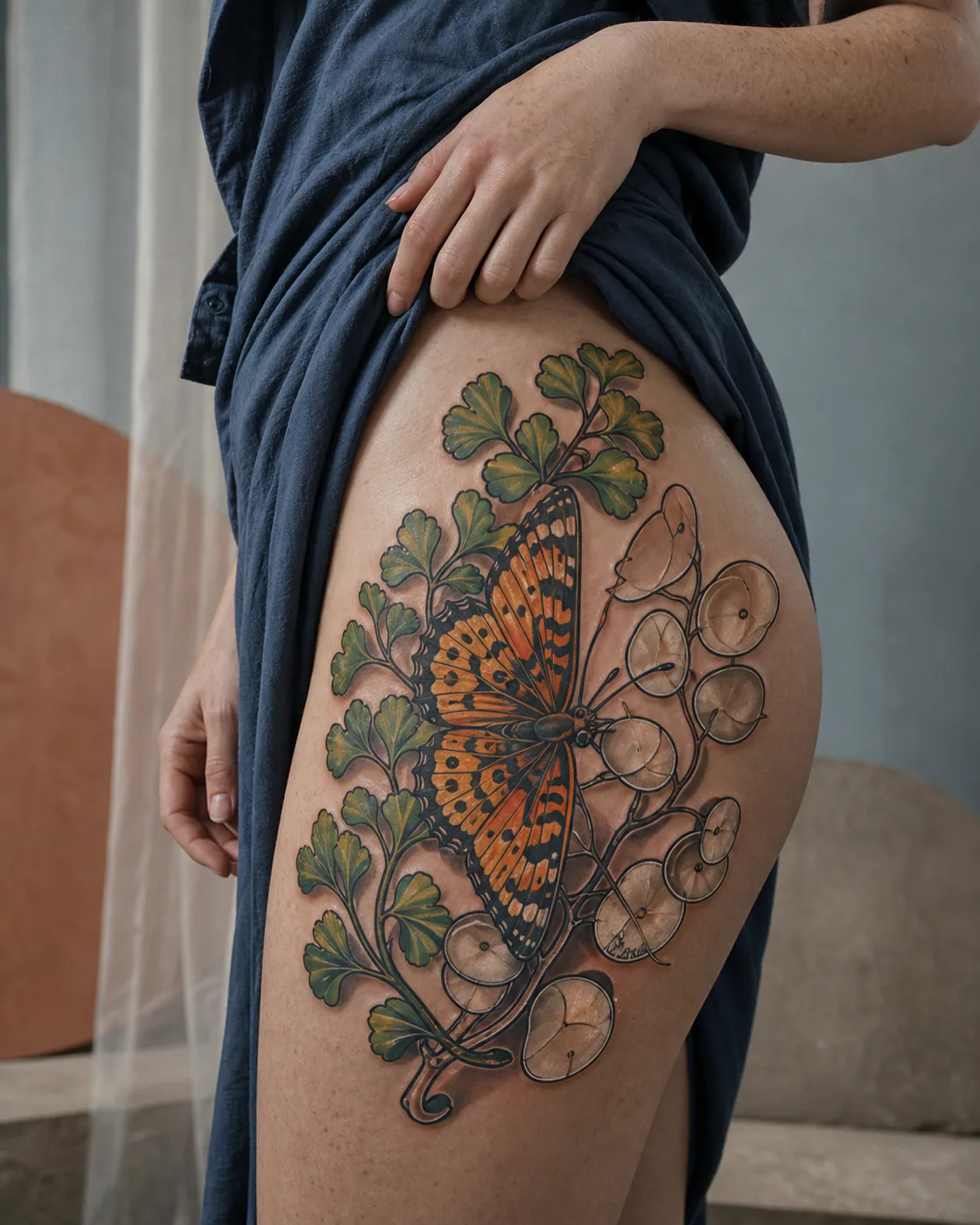
New School Botanical Tattoo for the Hip
An original botanical concept shaped as a healed new school tattoo for the hip.
- New School
- Flowers & Botanicals
- Hip
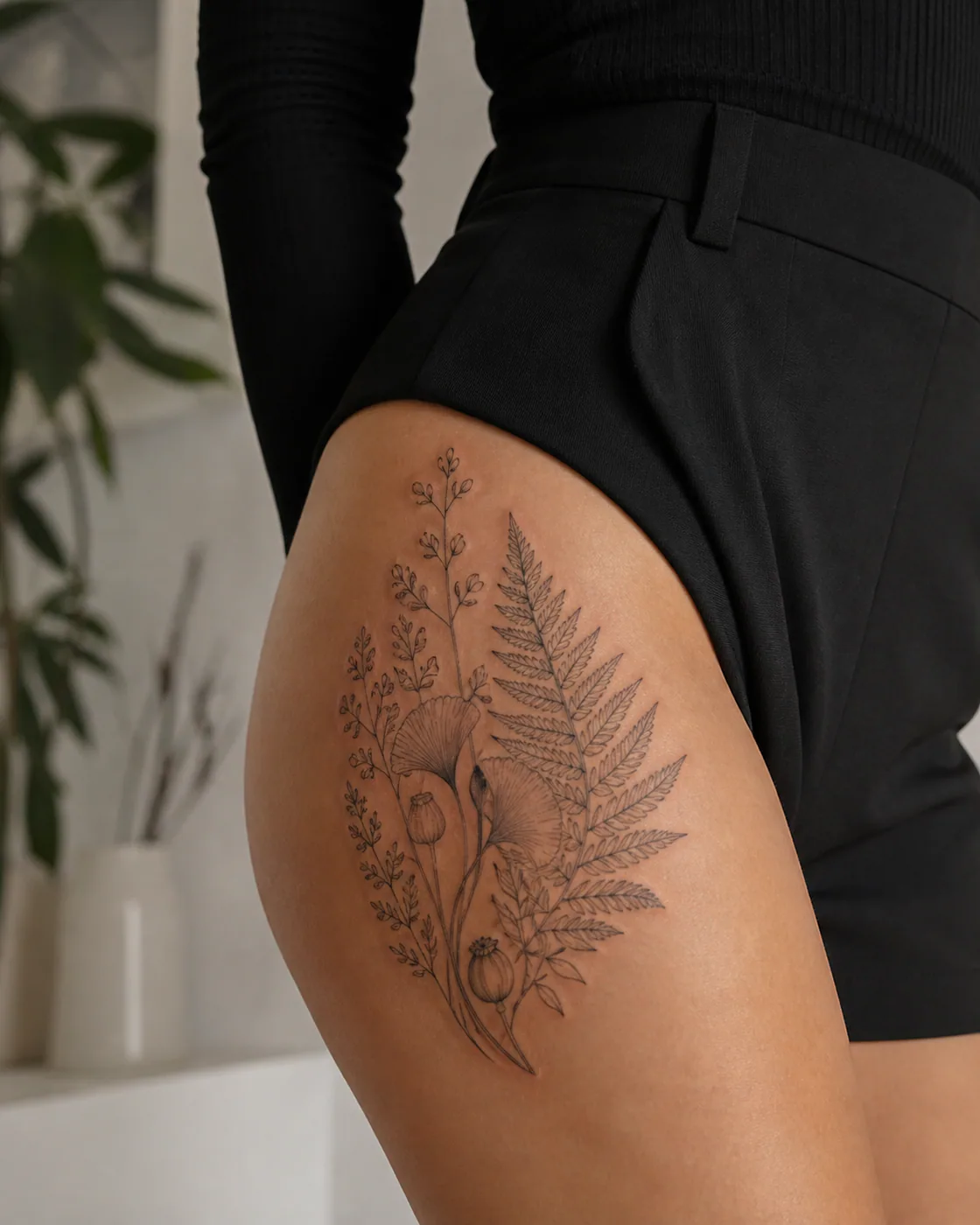
Fine Line Botanical Tattoo for the Hip
An original botanical concept shaped as a healed fine line tattoo for the hip.
- Fine Line
- Flowers & Botanicals
- Hip
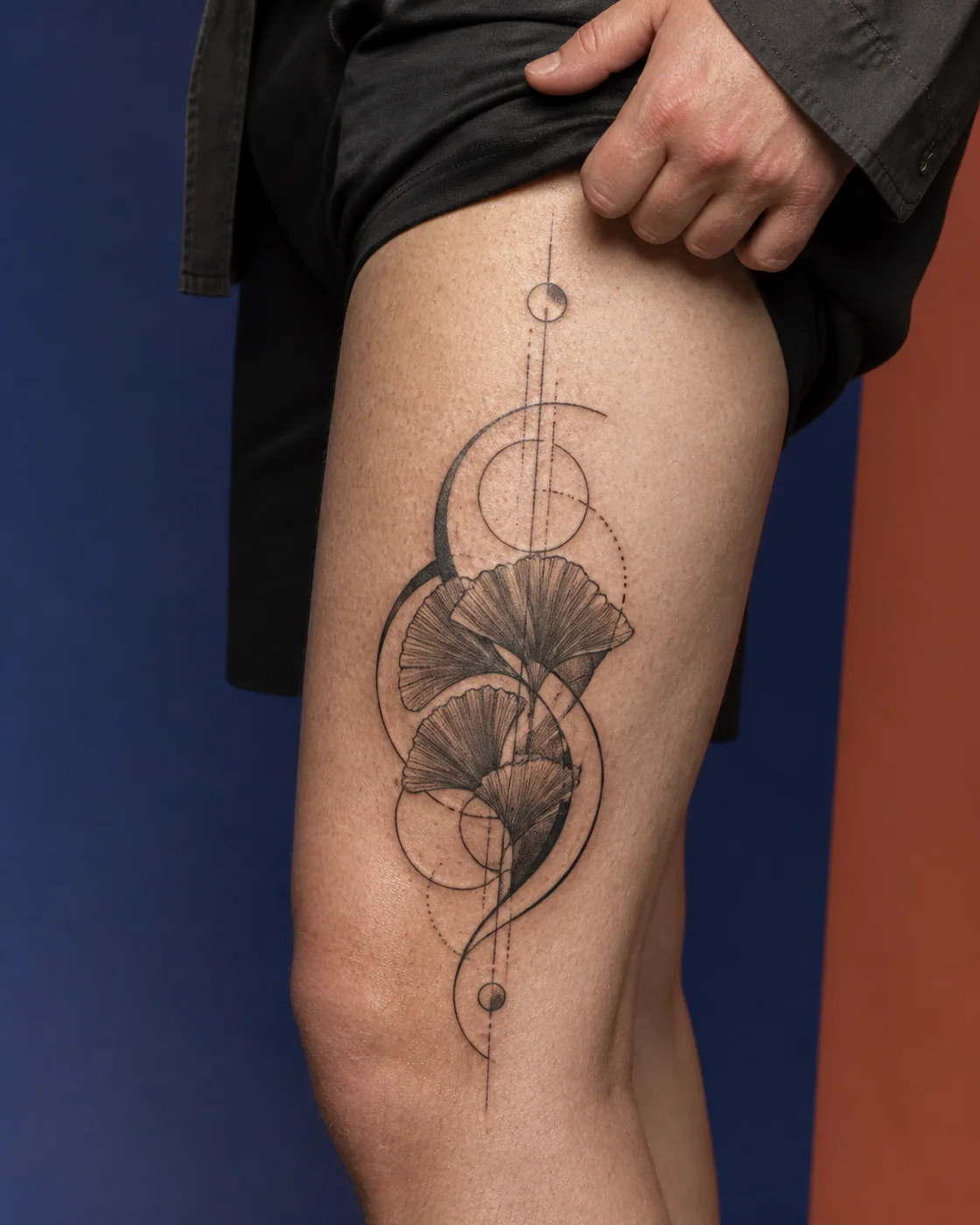
Geometric Botanical Tattoo for the Thigh
An original botanical concept shaped as a healed geometric tattoo for the thigh.
- Geometric
- Flowers & Botanicals
- Thigh
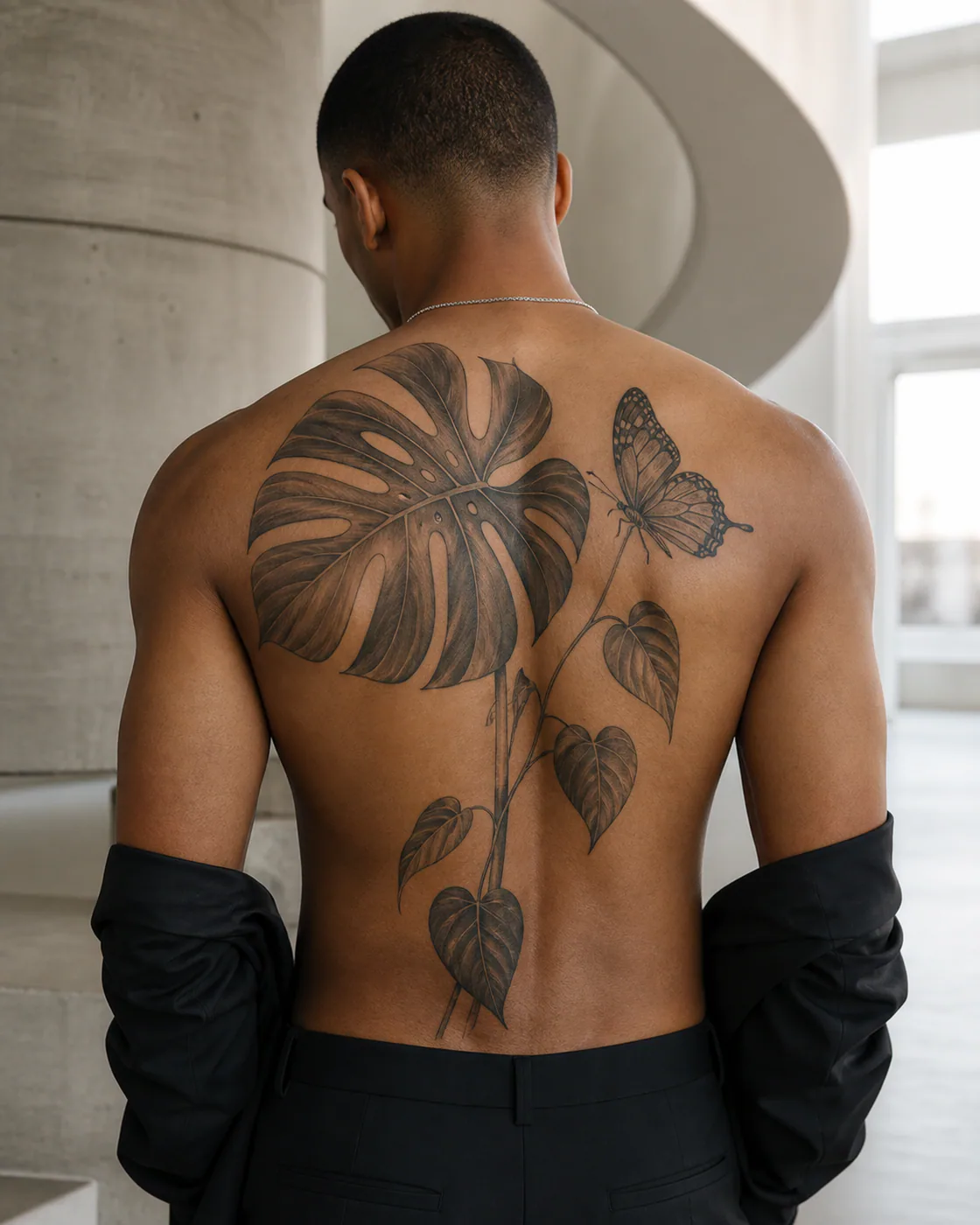
Minimalist Botanical Tattoo for the Full Back
An original botanical concept shaped as a healed minimalist tattoo for the full back.
- Minimalist
- Flowers & Botanicals
- Full Back
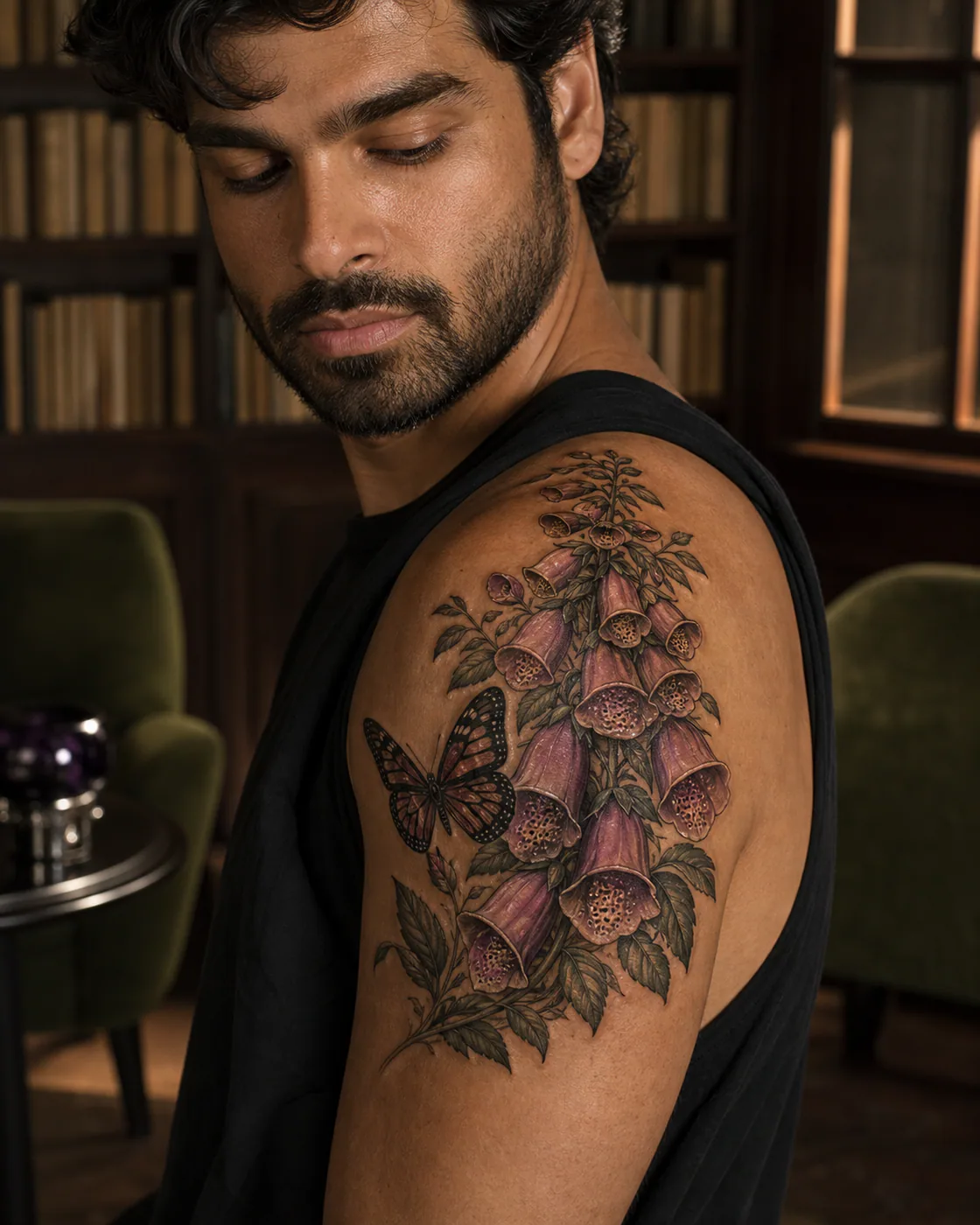
Neo Traditional Flower Tattoo for the Shoulder
An original flower concept shaped as a healed neo traditional tattoo for the shoulder.
- Neo-Traditional
- Flowers & Botanicals
- Shoulder
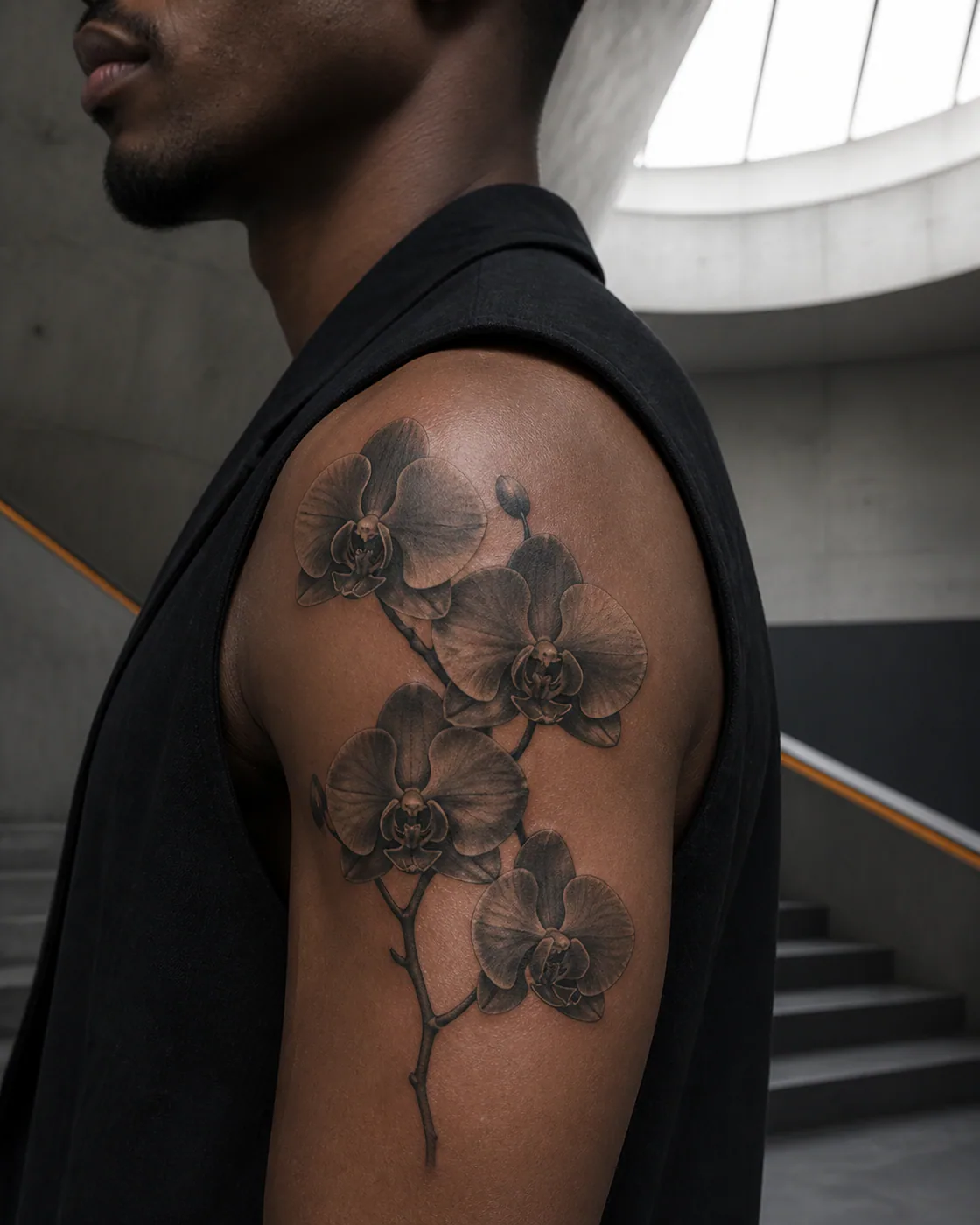
Black And Grey Flower Tattoo for the Shoulder
An original flower concept shaped as a healed black and grey tattoo for the shoulder.
- Black & Gray
- Flowers & Botanicals
- Shoulder
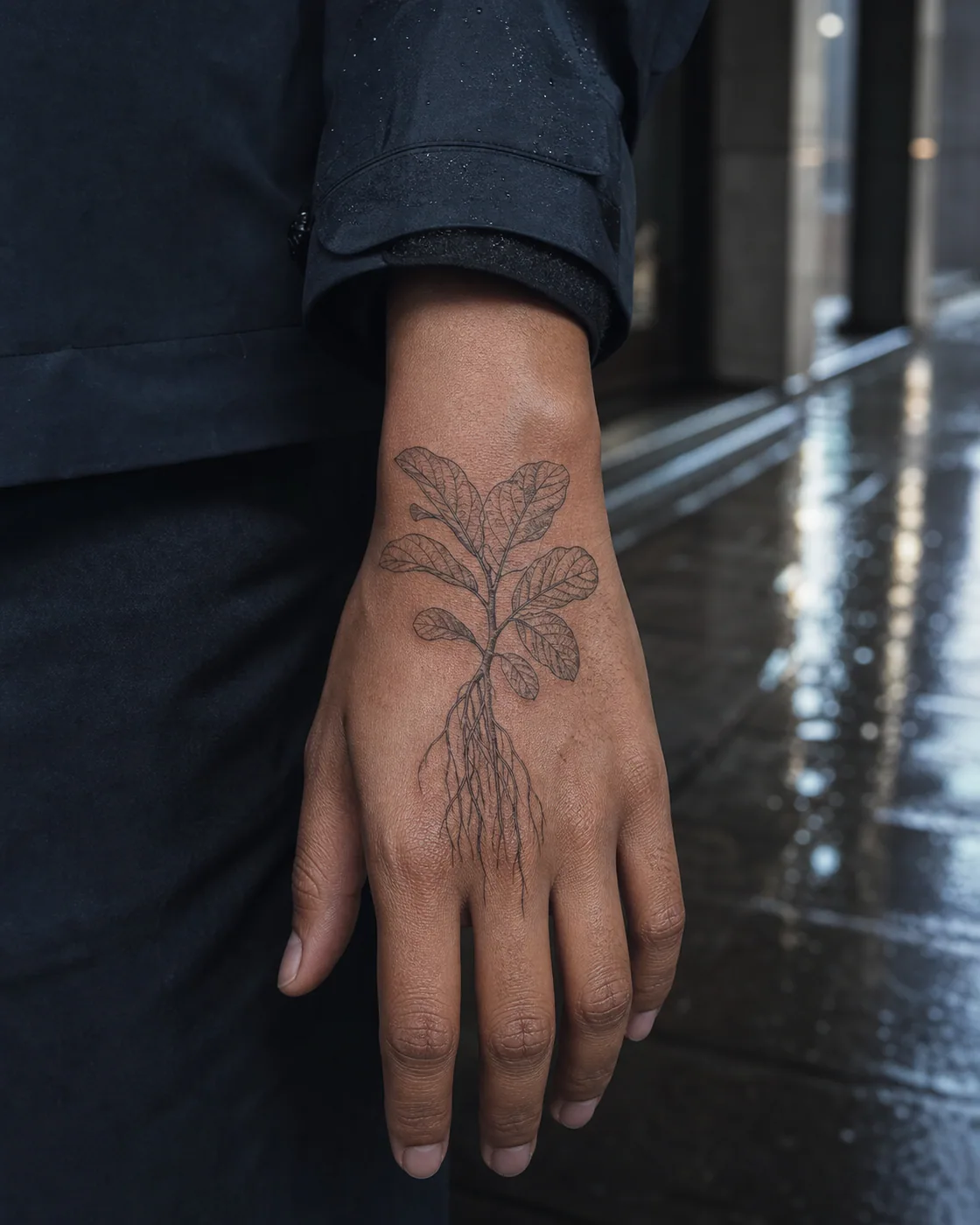
Fine Line Botanical Tattoo for the Hand
An original botanical concept shaped as a healed fine line tattoo for the hand.
- Fine Line
- Flowers & Botanicals
- Hand
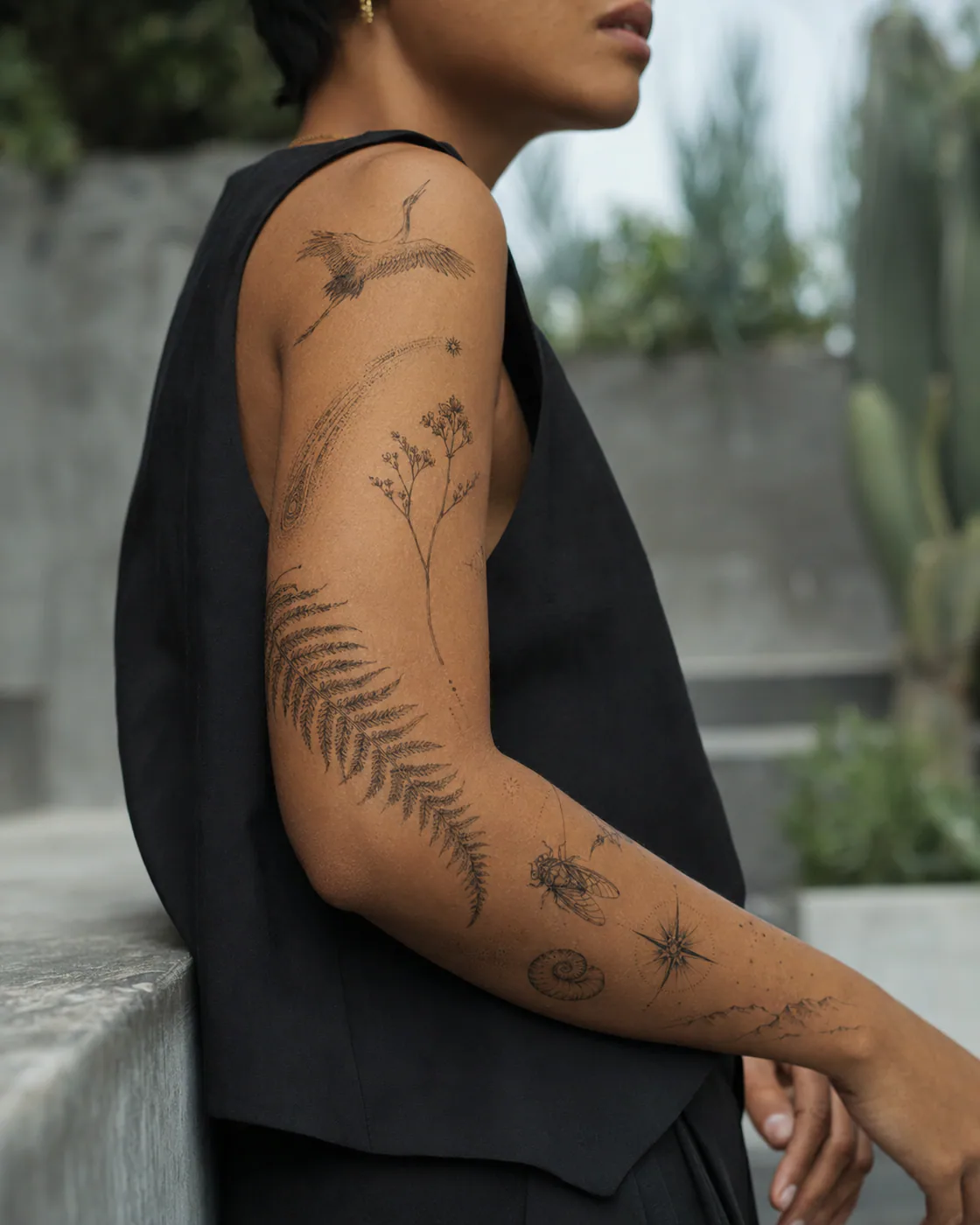
Crane, fern, and comet elbow flow
The fern curves around the elbow while the crane, comet, and smaller nature studies stay readable across changing arm planes.
- Fine Line
- Animals
- Full Sleeve
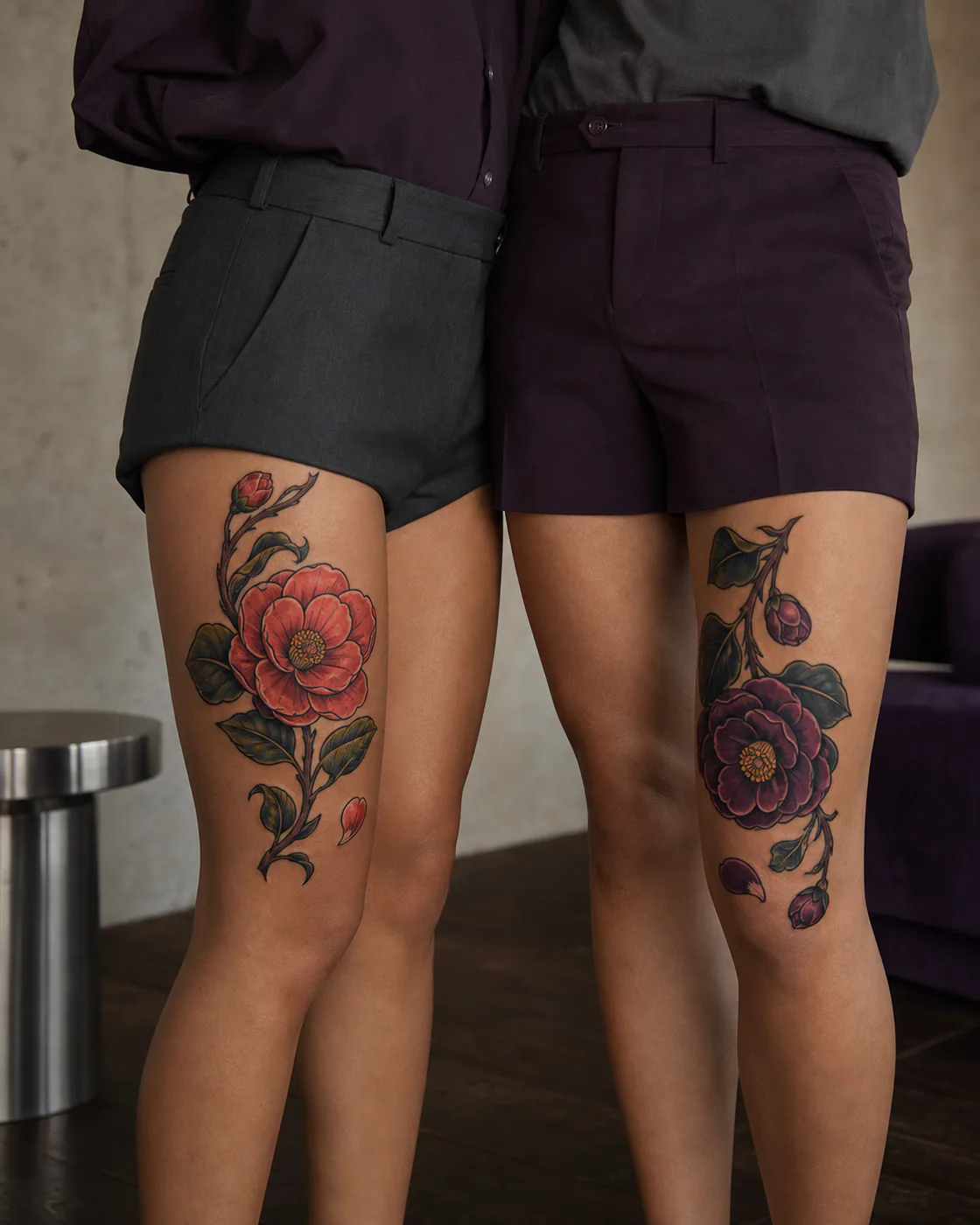
New School Couple Flower Tattoo for the Thigh
An original flower concept shaped as a healed new school tattoo for the thigh.
- New School
- Flowers & Botanicals
- Thigh
BOTANICAL DESIGN DIRECTIONS
Floral ideas that go beyond a generic bouquet
Use exact species and composition choices to connect a familiar subject to a person, place, date, transformation, or visual memory.
Birth flower family bouquet
Combine the birth flowers of several people with a deliberate hierarchy, allowing one bloom or bud to represent each relationship.
Single botanical specimen
Study one plant from root to seed, leaf to flower, or bud to decay for a quieter design with scientific or archival character.
Wildflowers from a real place
Choose plants native to a meaningful landscape and arrange them with the irregularity of a field rather than a florist’s bouquet.
Bold blackwork bloom
Use broad petals, solid leaves, and generous skin breaks for a floral tattoo that reads graphically from a distance.
Flower and animal relationship
Pair a moth, snake, bird, bee, or personal animal with a plant they interact with naturally, creating one scene instead of separate stickers.
Life-cycle floral narrative
Show seed, bud, bloom, fruit, and fading petals to represent time, grief, recovery, parenthood, or a long personal transformation.
MATCH THE BLOOM, SILHOUETTE, AND BODY LINE
Compare flower tattoo compositions beyond symbolic meaning
A flower can carry a cultural association, a private memory, or no assigned meaning at all. Its petal shape, stem direction, detail density, and placement are equally important to a readable tattoo.
Floral composition: Single-stem botanical
- Often works well for
- A birth flower, memorial bloom, herb, or understated design with a clear vertical gesture.
- Shape and scale cue
- Small to medium, with the stem following a forearm, calf, rib, or collarbone line.
- What to check
- Simplify tiny petals and leaf veins so the plant remains identifiable without fragile detail.
Floral composition: Personal bouquet arrangement
- Often works well for
- Combining family birth flowers, places, seasons, or several blooms with distinct associations.
- Shape and scale cue
- Medium to large, using varied bloom sizes and stems to create hierarchy and movement.
- What to check
- Confirm botanical references and avoid giving every flower equal size and visual emphasis.
Floral composition: Bold traditional bloom
- Often works well for
- Roses, peonies, chrysanthemums, and other flowers treated as graphic standalone anchors.
- Shape and scale cue
- Compact to large, supported by strong outlines, simplified petals, and open skin breaks.
- What to check
- Discuss color palette and contrast in the context of the artist's healed work on varied skin.
Floral composition: Flowing floral wrap or sleeve
- Often works well for
- Botanical vines, layered gardens, shoulder work, and flowers used to connect larger subjects.
- Shape and scale cue
- Large and anatomy-led, with stems establishing direction around joints and curved surfaces.
- What to check
- Plan the negative space first so leaves and petals do not become one continuous texture.
CHOOSE THE BOTANY
Species, structure, and placement all carry meaning
A flower’s name is only the beginning. Its growth habit, silhouette, season, and cultural context can shape a more original tattoo.
Identify the exact species
A garden rose, dog rose, peony, poppy, chrysanthemum, and native wildflower have different forms and associations. Use reliable references.
Choose a growth stage
Buds suggest anticipation, open flowers can mark presence or abundance, and seed heads or fading petals can speak about time and change.
Match structure to anatomy
Long stems suit forearms, ribs, and calves; round blooms can anchor shoulders and thighs; branching arrangements can travel across larger areas.
Research cultural meaning
Flower symbolism changes across regions, traditions, and religions. Verify the context instead of relying on a single online meaning list.
ARTIST HANDOFF
Bring botanical references alongside tattoo references
Clear photographs, scientific illustrations, and images of the plant’s natural movement can help the artist retain its identity while adapting it to skin.
Include in your brief
- The exact common and scientific name when species accuracy matters.
- Why the flower, season, or growth stage is meaningful.
- Whether the composition should feel wild, formal, graphic, or delicate.
- Preferred placement, final size, color palette, and negative space.
- Any animals, lettering, dates, or objects that must be integrated.
KEEP EXPLORING
Related tattoo idea collections
Use another placement, size, audience, or subject to make your direction more specific.

Tattoo Ideas for Women
Discover expressive tattoo directions across delicate, graphic, colorful, symbolic, and body-led compositions.
Explore the collection
Forearm Tattoo Ideas
Compare inner, outer, wraparound, and vertical forearm compositions designed for movement and everyday visibility.
Explore the collection
Small Tattoo Ideas
Find compact concepts designed around clear silhouettes, selective detail, and enough space to remain readable.
Explore the collectionCOMMON QUESTIONS
What to know before choosing this direction
Which flowers are popular for tattoos?
Roses, peonies, lotuses, chrysanthemums, poppies, lilies, daisies, cherry blossoms, lavender, and birth flowers are common. A locally meaningful or personally remembered plant can create a more specific design.
How do I choose a meaningful flower tattoo?
Connect the flower to a person, place, season, memory, or cultural tradition. Then select the exact species and growth stage rather than relying only on generic symbolism.
Where do flower tattoos fit well?
Stems can follow forearms, calves, ribs, or spines; rounded blooms can sit on shoulders and thighs; branching florals can extend across sleeves, backs, and hips. Anatomy should guide the final flow.
Can a flower tattoo work without color?
Yes. Fine line, blackwork, engraving, dotwork, and black-and-gray approaches can distinguish flowers through silhouette, petal structure, texture, and negative space.
Do flower tattoos have fixed meanings?
No single meaning is universal. Associations can change by species, color, region, religion, family tradition, and personal experience, so verify any cultural reference and decide what the flower represents in your own design.
How can I keep a floral tattoo botanically accurate?
Bring clear photographs or trusted botanical illustrations showing the flower, leaves, stem, and growth habit. Ask the artist which identifying details can remain at the chosen size without overcrowding the tattoo.
TURN INSPIRATION INTO AN ORIGINAL CONCEPT
Keep designing with your own story
Take the subject, placement, and style into the AI generator, then use virtual try-on to judge approximate scale. A tattoo artist should still redraw the final design for your body.