SMALL TATTOO IDEAS
Small tattoo ideas designed to stay clear
Small does not mean effortless. Compact tattoos work best when one recognizable silhouette carries the idea and every interior mark earns its limited space.

SMALL TATTOOS LIBRARY
Browse curated small tattoos directions
Browse one curated gallery across related themes, styles, and placements. The same concept may appear in more than one relevant collection.
127 design directions
Page 1 of 6
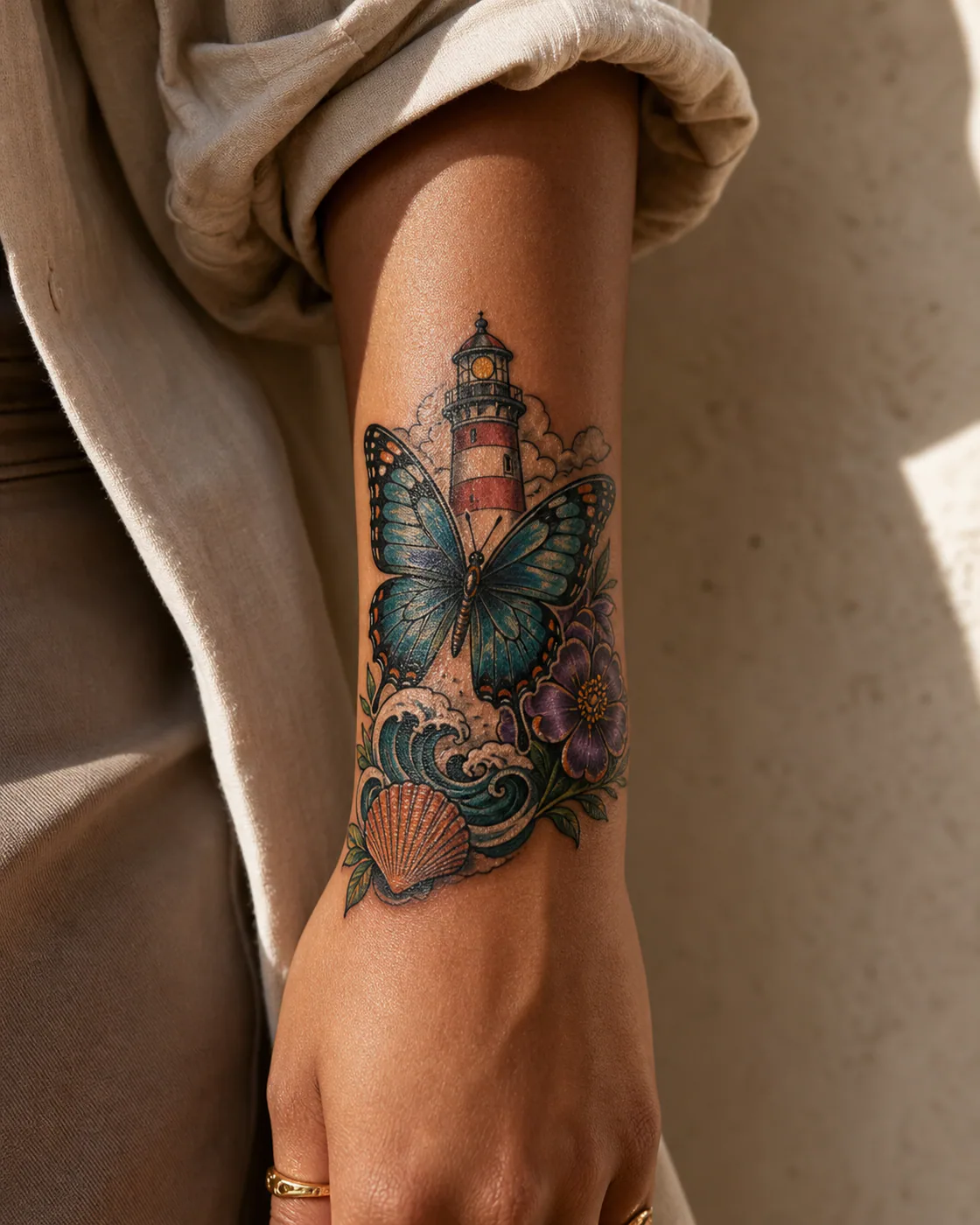
Neo Traditional Nautical Tattoo for the Wrist
An original nautical concept shaped as a healed neo traditional tattoo for the wrist.
- Neo-Traditional
- Nautical
- Wrist

Black And Grey Music Tattoo for the Wrist
An original music concept shaped as a healed black and grey tattoo for the wrist.
- Black & Gray
- Music
- Wrist
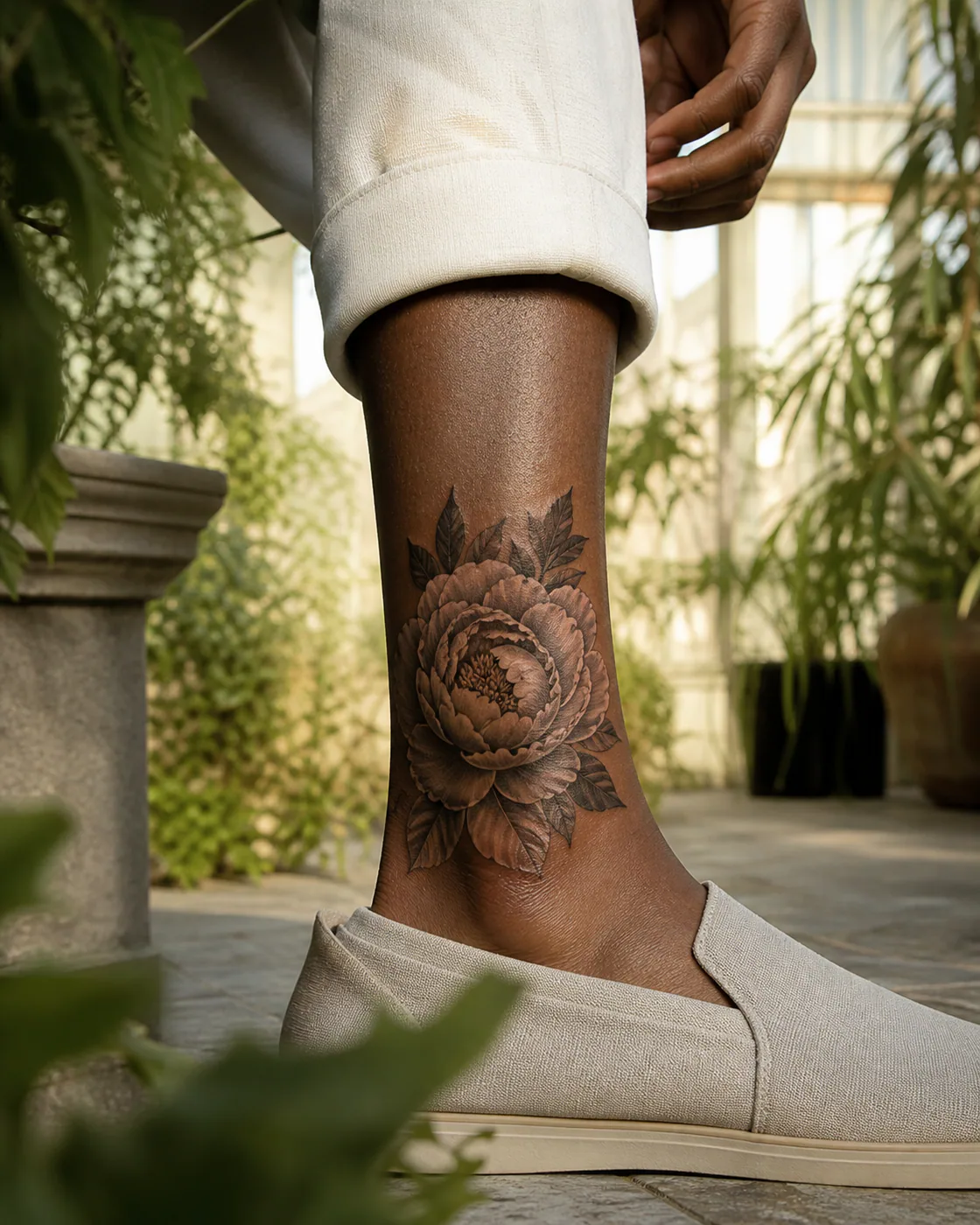
Realism Flower Tattoo for the Ankle
An original flower concept shaped as a healed realism tattoo for the ankle.
- Realism
- Flowers & Botanicals
- Ankle
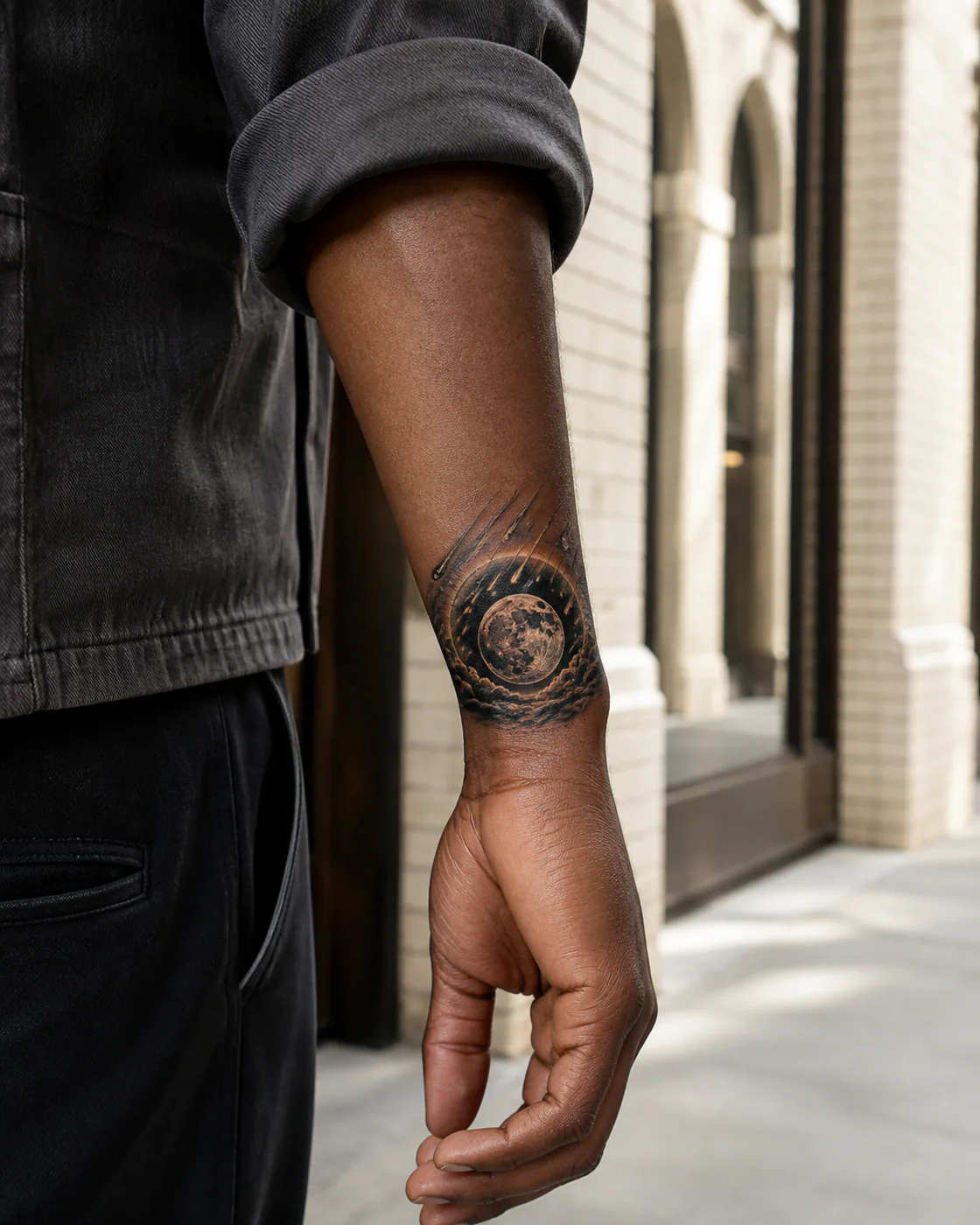
Neo Traditional Celestial Tattoo for the Wrist
An original celestial concept shaped as a healed neo traditional tattoo for the wrist.
- Neo-Traditional
- Celestial
- Wrist
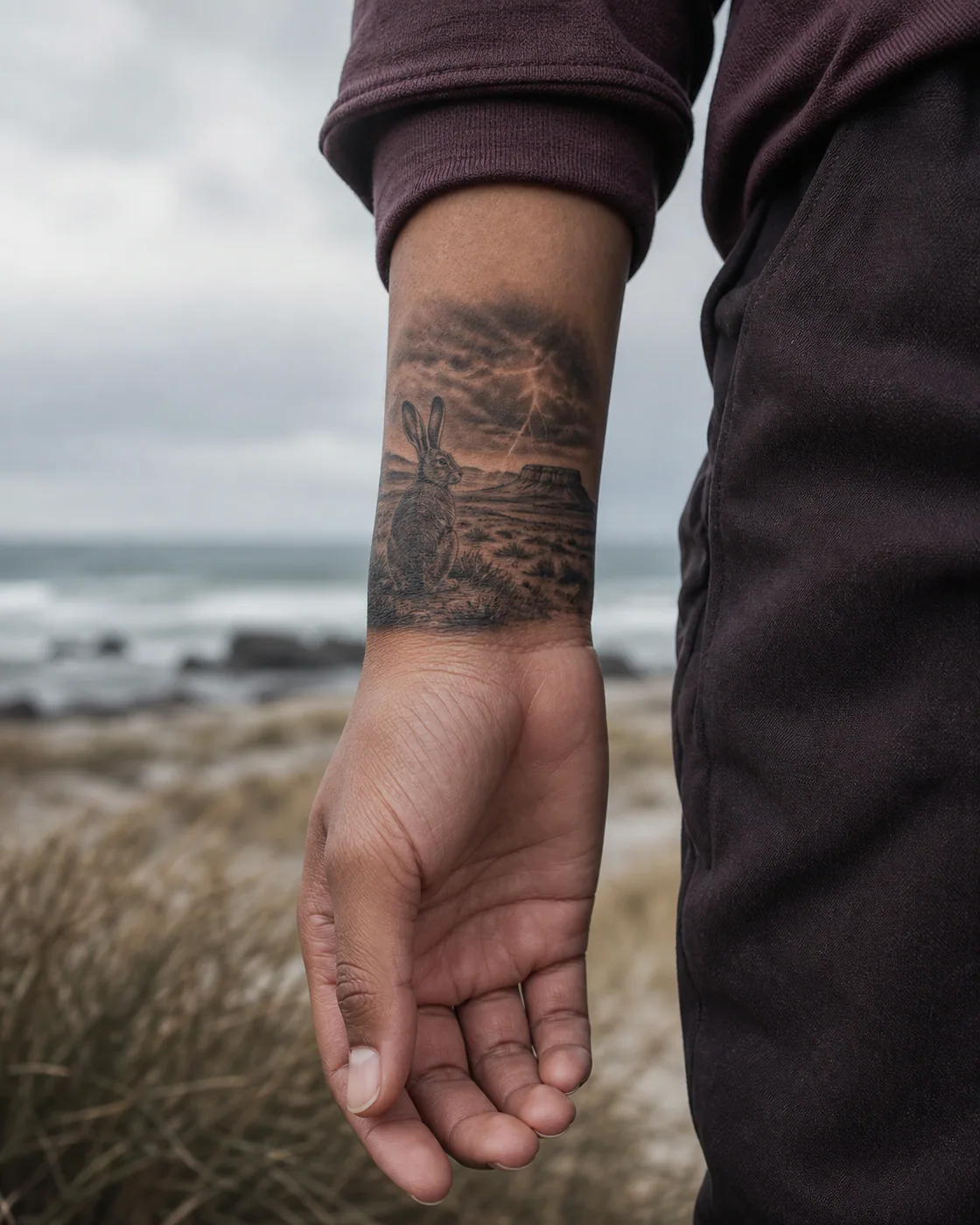
Black And Grey Western Tattoo for the Wrist
An original western concept shaped as a healed black and grey tattoo for the wrist.
- Black & Gray
- Western
- Wrist
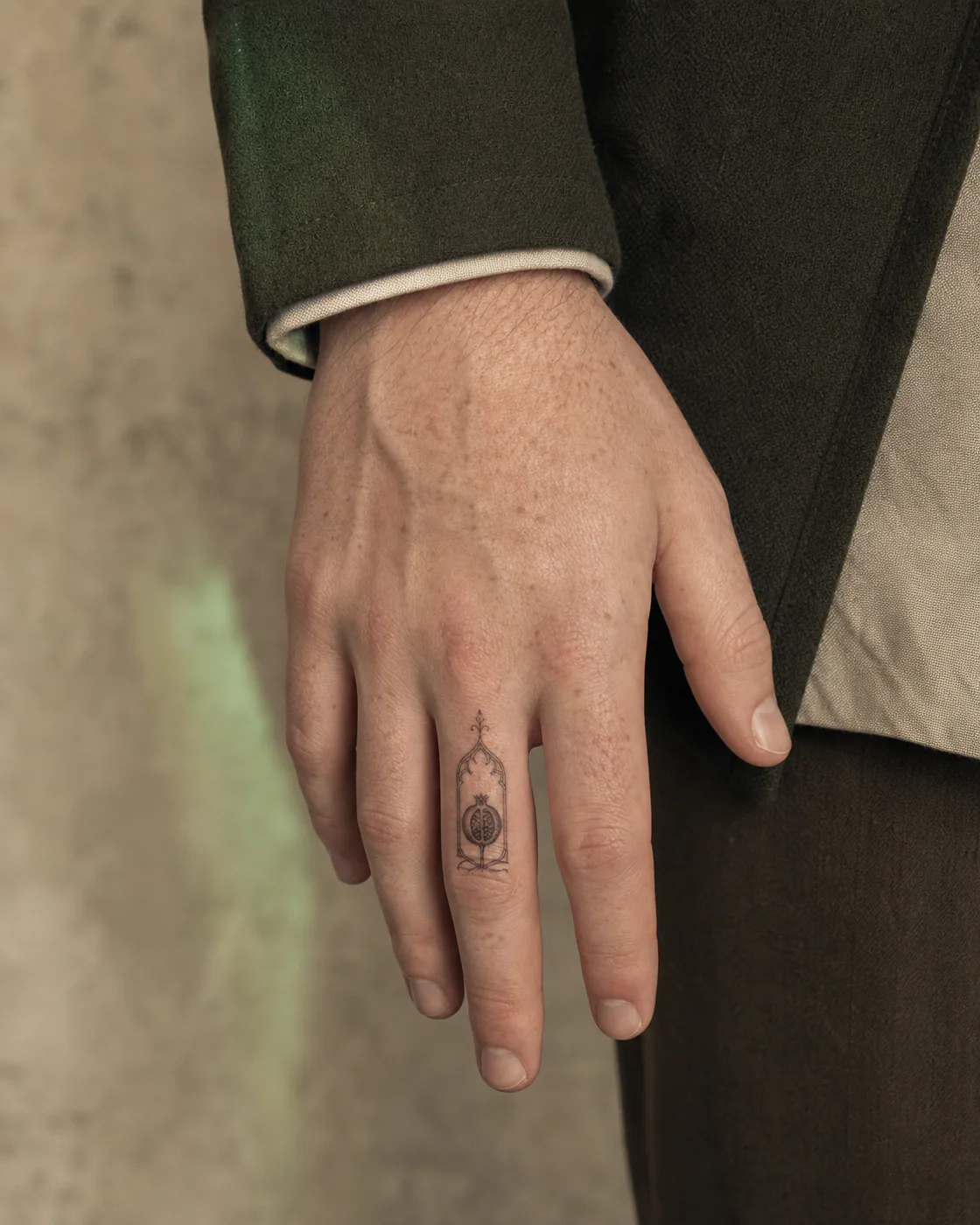
Fine Line Gothic Tattoo for the Finger
An original gothic concept shaped as a healed fine line tattoo for the finger.
- Fine Line
- Gothic
- Finger
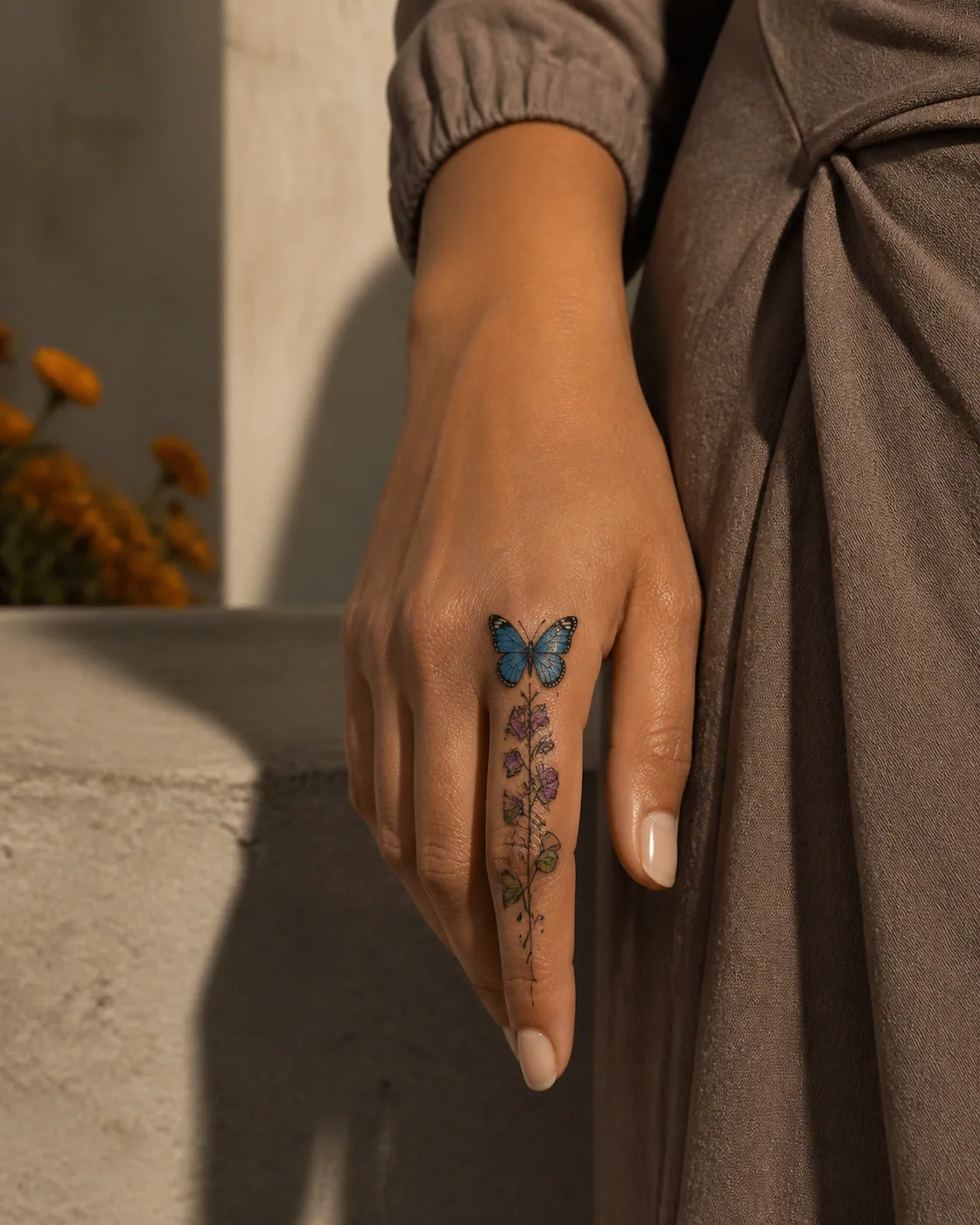
Neo Traditional Flower Tattoo for the Finger
An original flower concept shaped as a healed neo traditional tattoo for the finger.
- Neo-Traditional
- Flowers & Botanicals
- Finger
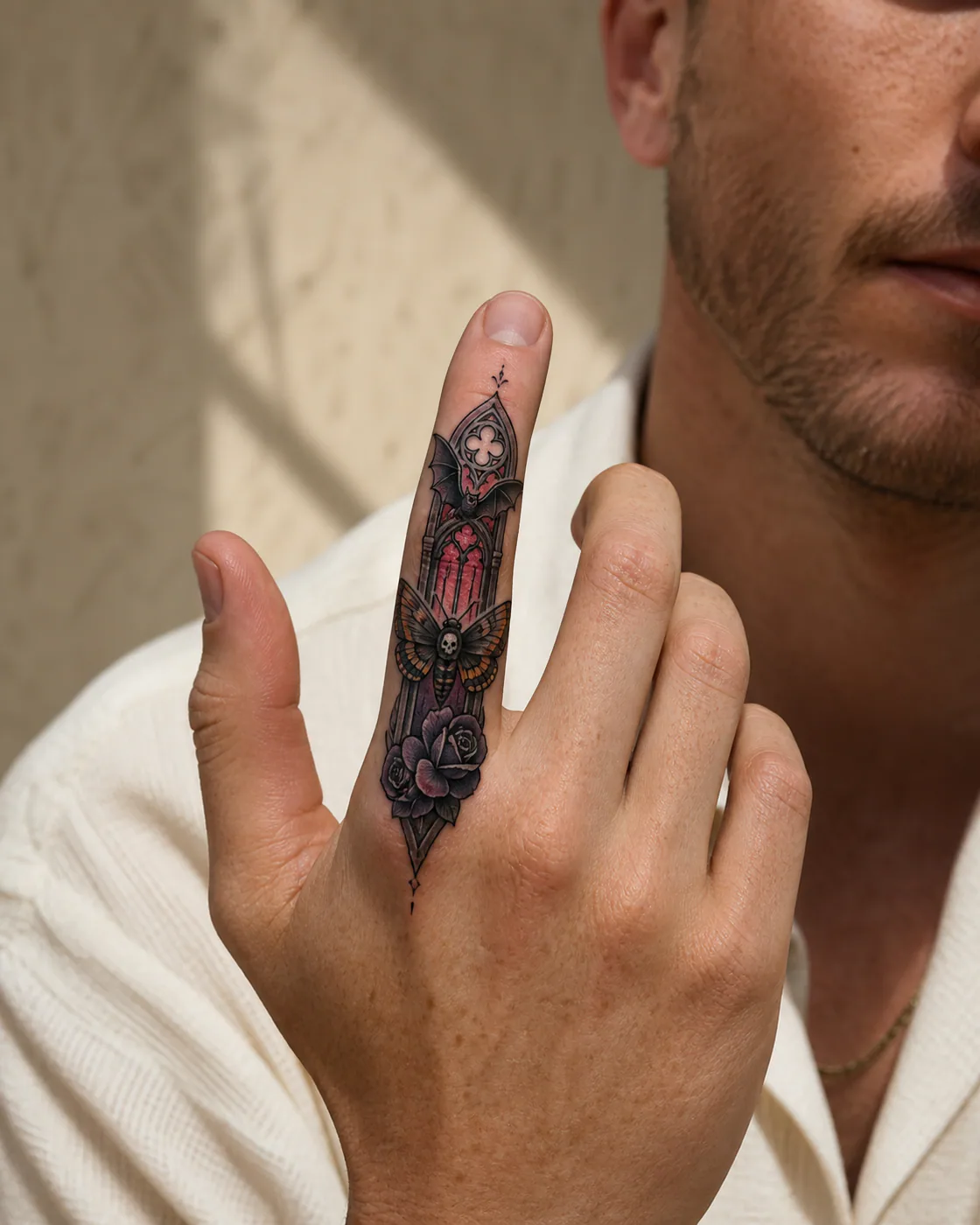
New School Gothic Tattoo for the Finger
An original gothic concept shaped as a healed new school tattoo for the finger.
- New School
- Gothic
- Finger
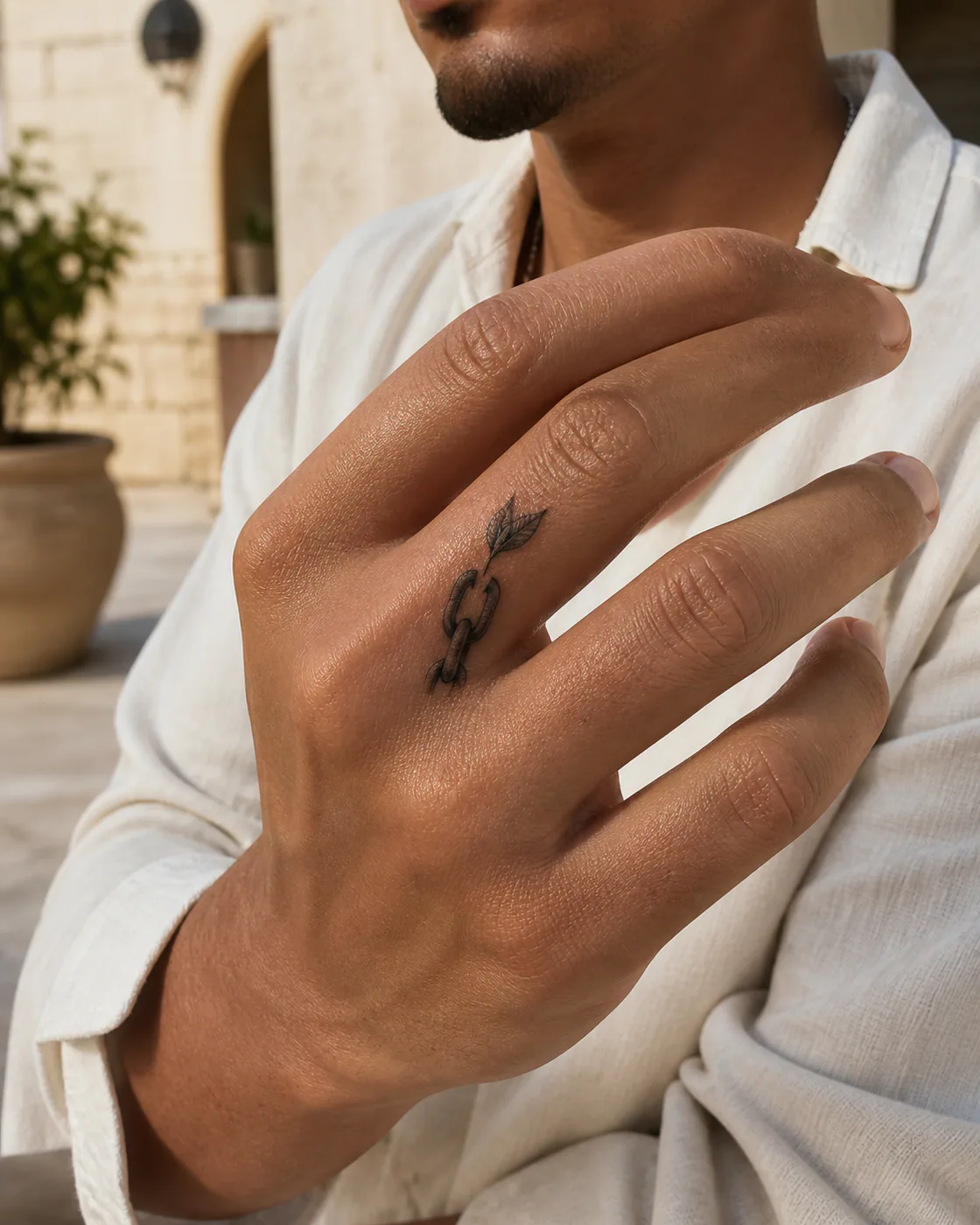
Realism Symbolic Tattoo for the Finger
An original symbolic concept shaped as a healed realism tattoo for the finger.
- Realism
- Symbols & meaning
- Finger
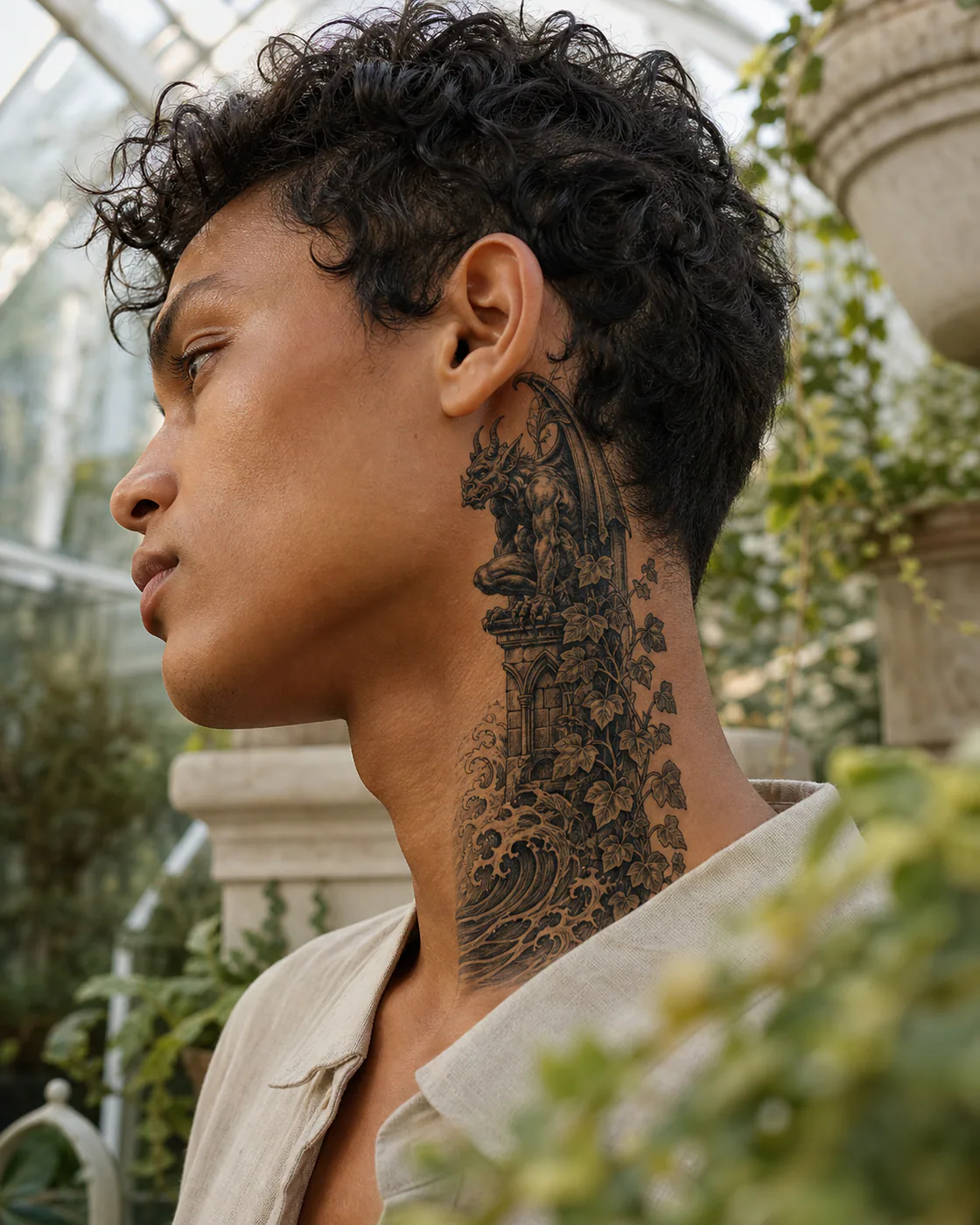
Japanese Gothic Tattoo for the Neck
An original gothic concept shaped as a healed japanese tattoo for the neck.
- Japanese
- Gothic
- Neck
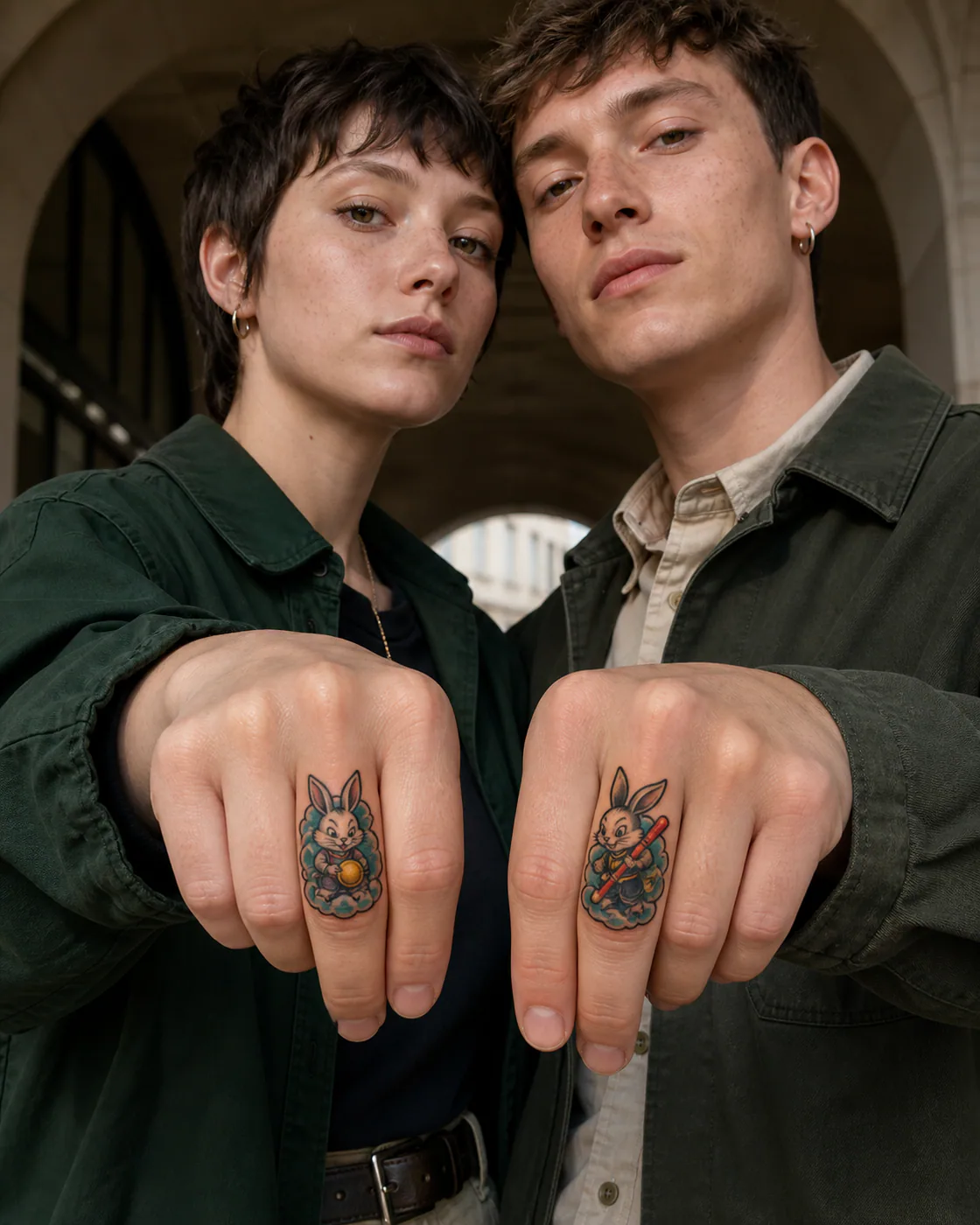
New School Couple Mythic Tattoo for the Finger
An original mythic concept shaped as a healed new school tattoo for the finger.
- New School
- Mythic
- Finger
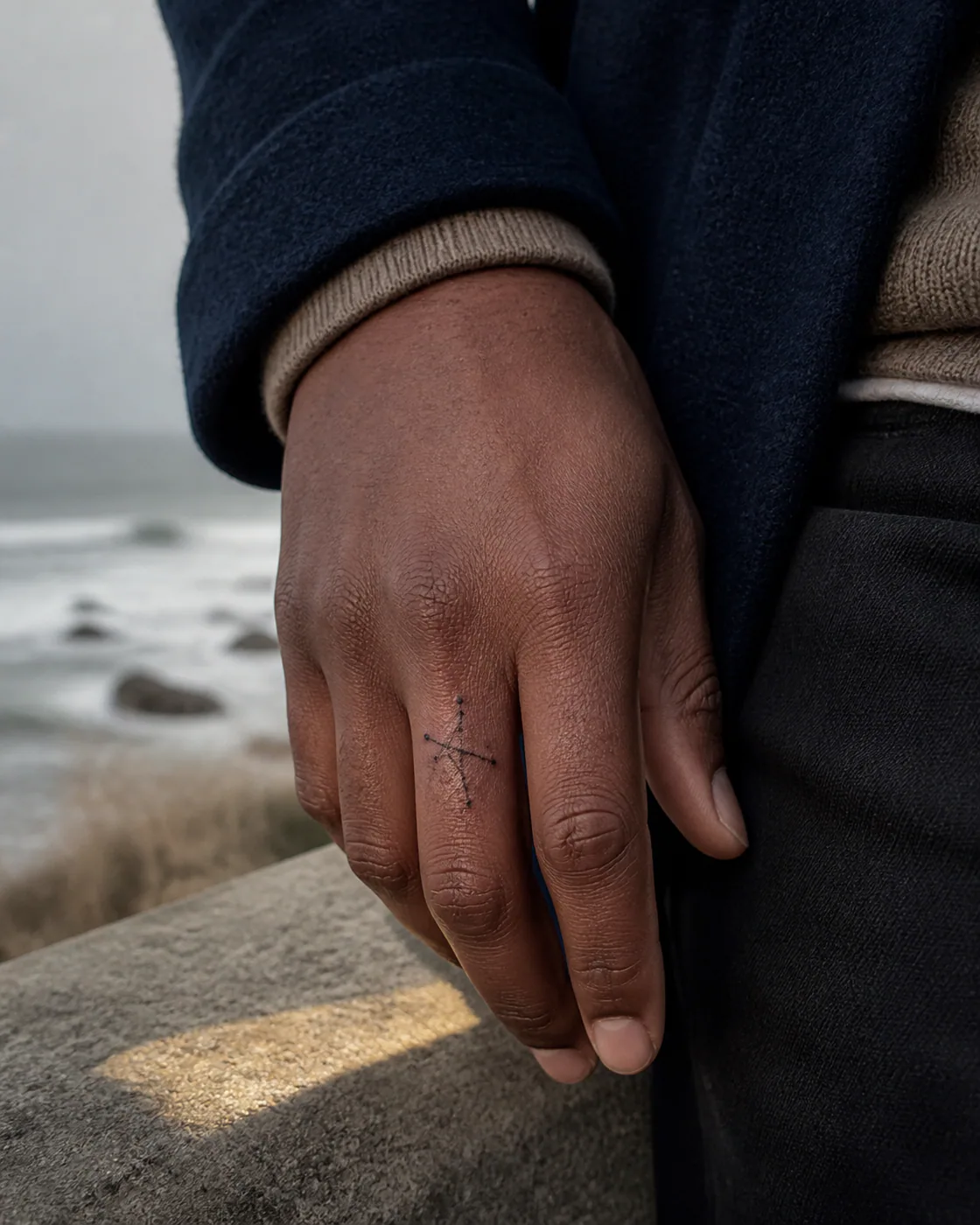
Realism Family Celestial Tattoo for the Finger
An original celestial concept shaped as a healed realism tattoo for the finger.
- Realism
- Celestial
- Finger
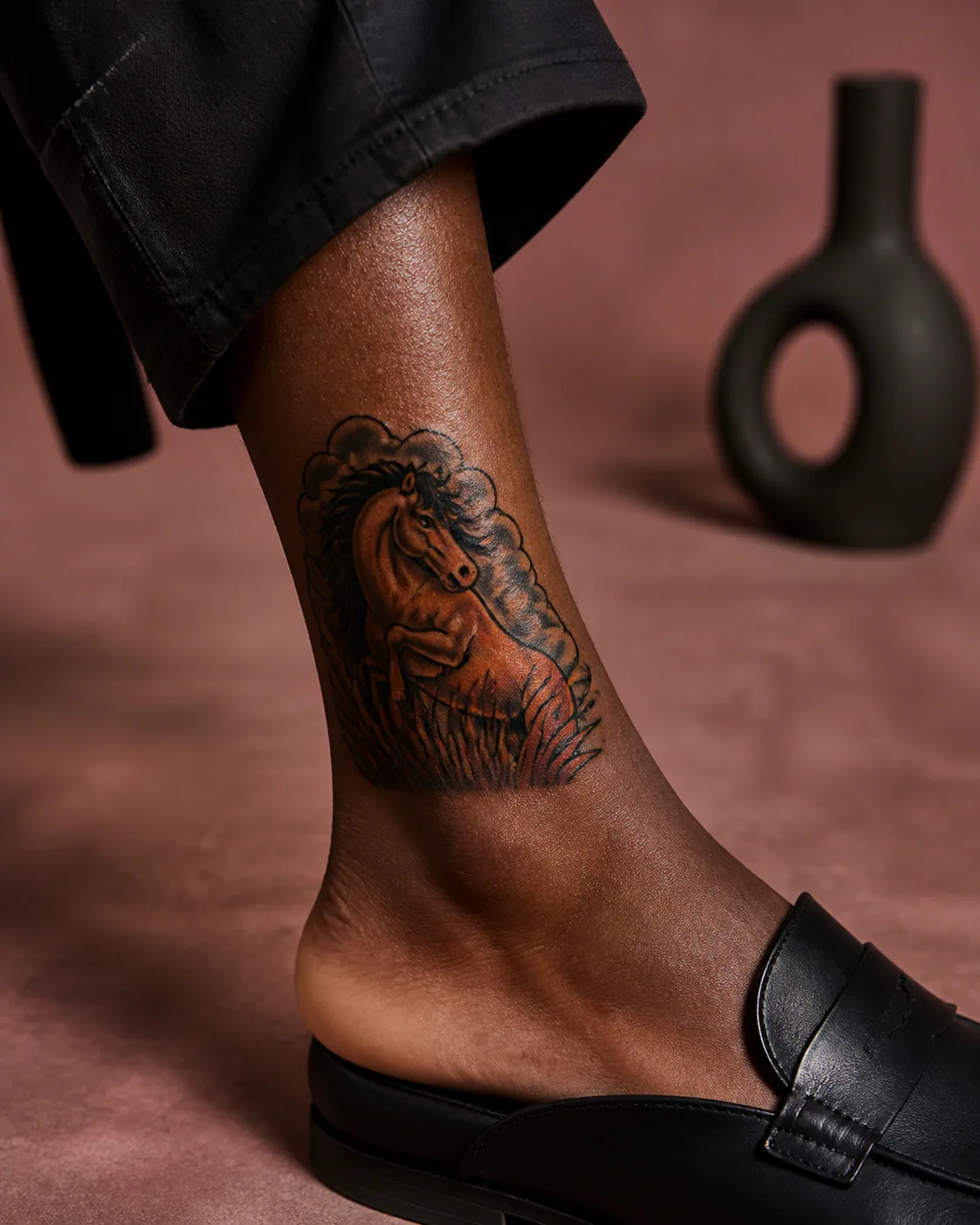
New School Western Tattoo for the Ankle
An original western concept shaped as a healed new school tattoo for the ankle.
- New School
- Western
- Ankle
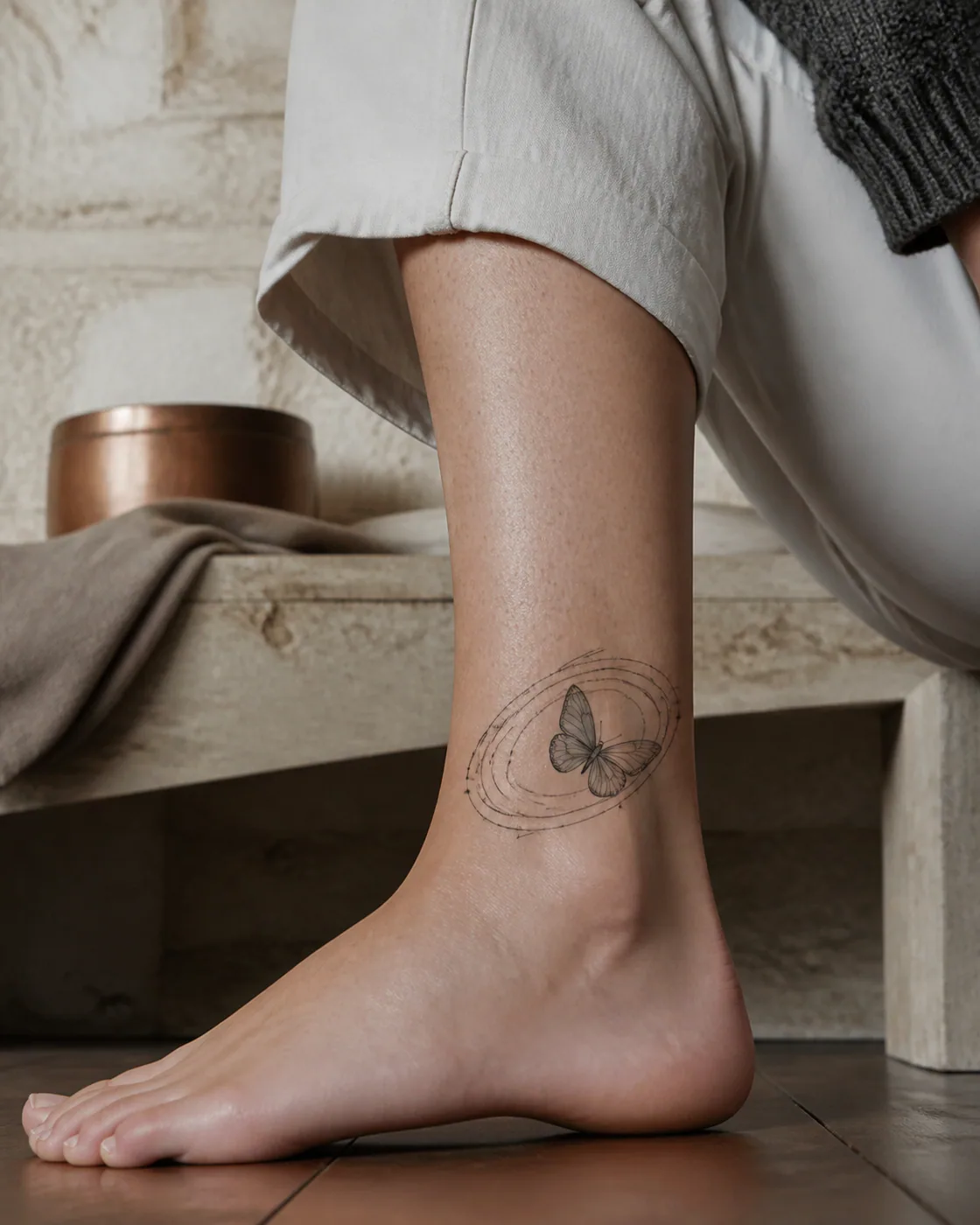
Geometric Celestial Tattoo for the Ankle
An original celestial concept shaped as a healed geometric tattoo for the ankle.
- Geometric
- Celestial
- Ankle
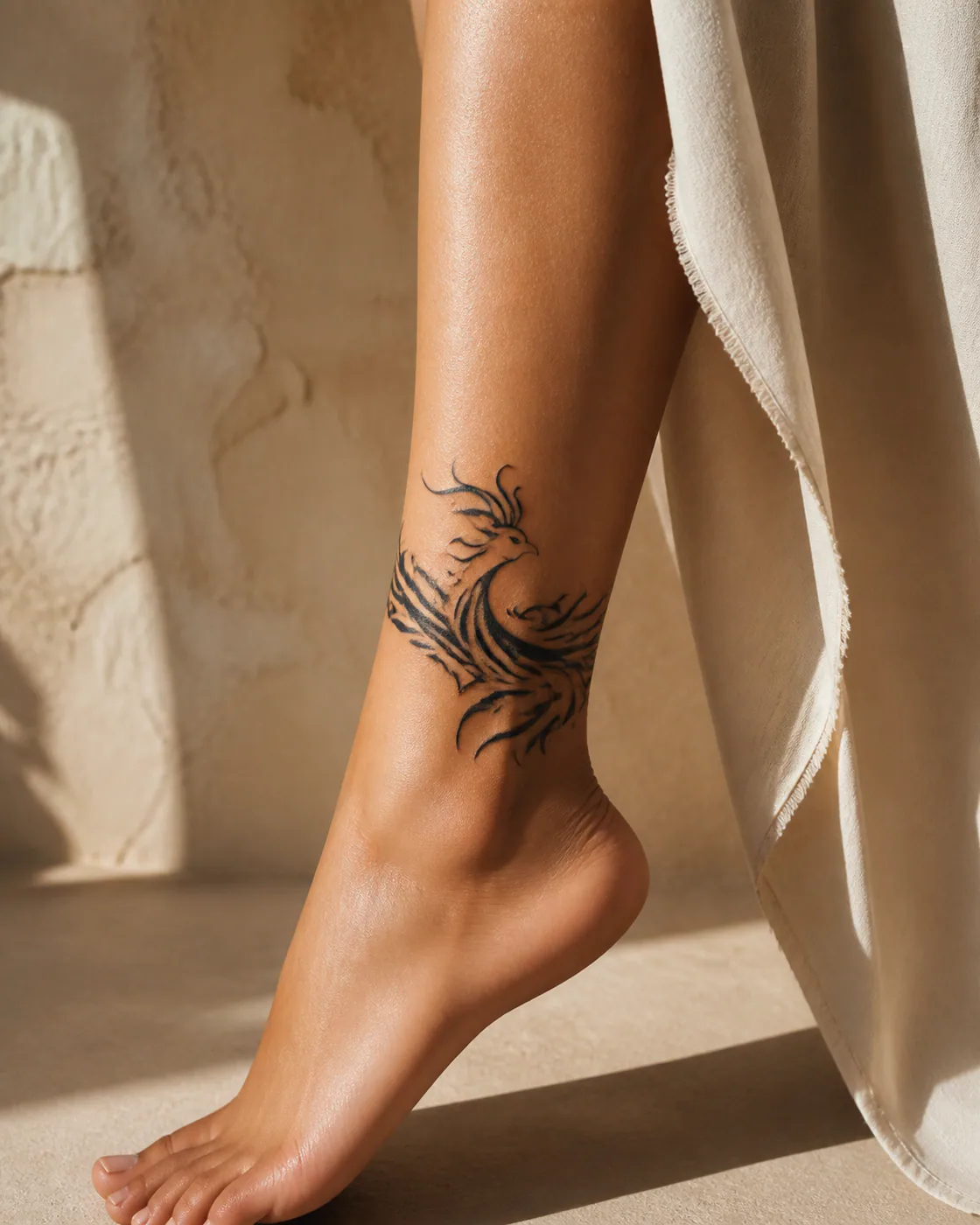
Tribal Mythic Tattoo for the Ankle
An original mythic concept shaped as a healed tribal tattoo for the ankle.
- Tribal
- Mythic
- Ankle
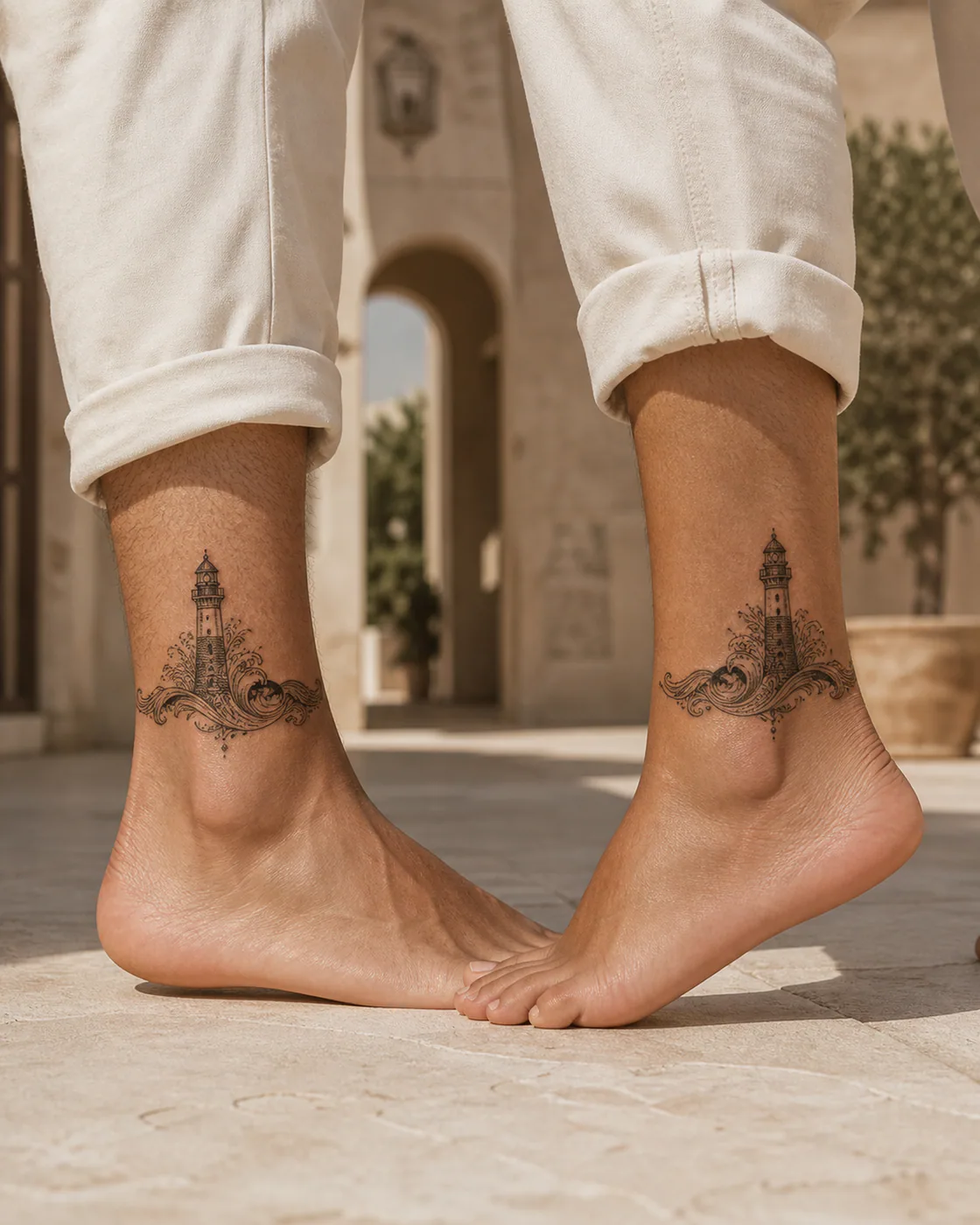
Ornamental Couple Nautical Tattoo for the Ankle
An original nautical concept shaped as a healed ornamental tattoo for the ankle.
- Ornamental
- Nautical
- Ankle
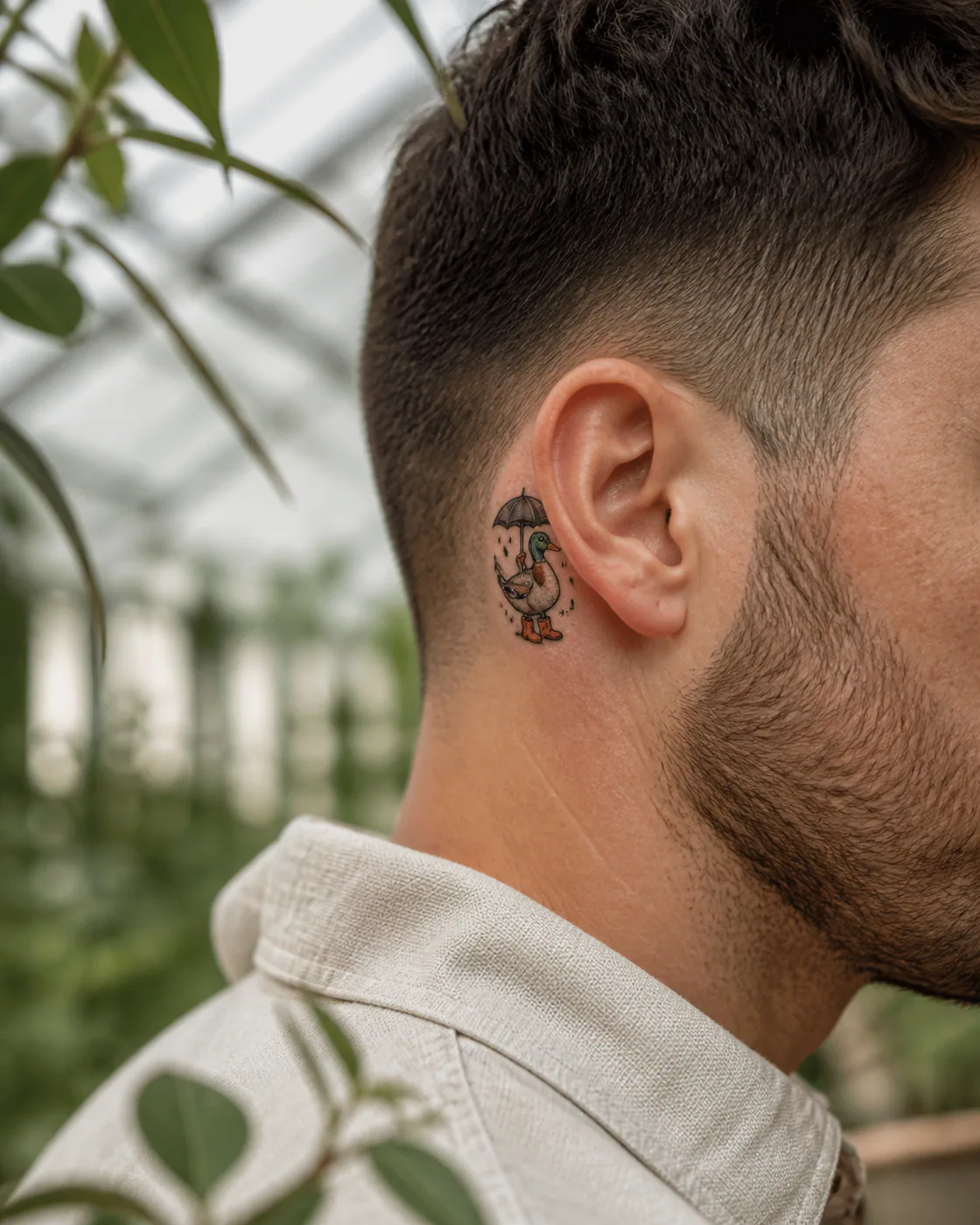
Neo Traditional Playful Tattoo for the Behind Ear
An original playful concept shaped as a healed neo traditional tattoo for the behind ear.
- Neo-Traditional
- Playful
- Behind the Ear
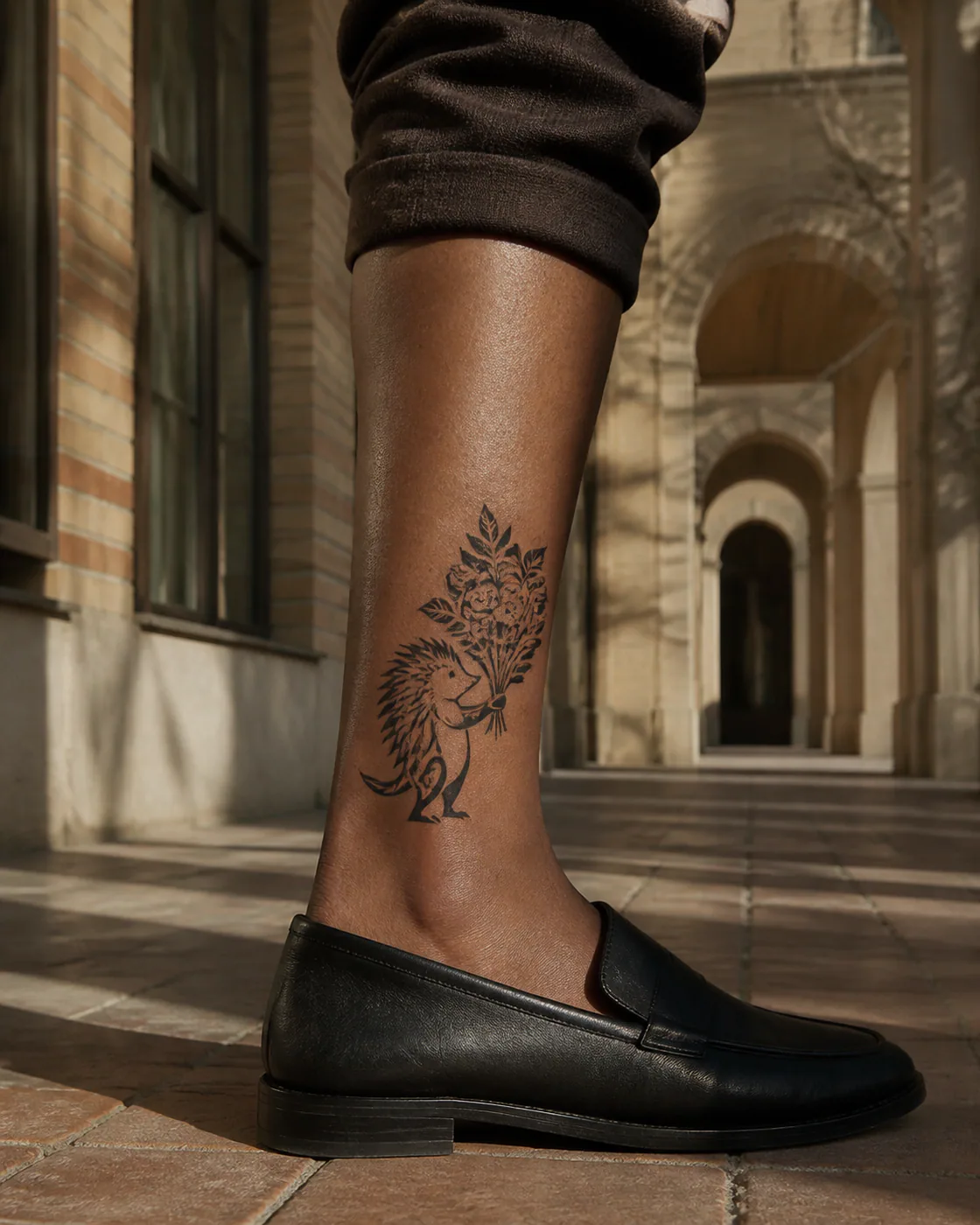
Tribal Family Playful Tattoo for the Ankle
An original playful concept shaped as a healed tribal tattoo for the ankle.
- Tribal
- Playful
- Ankle
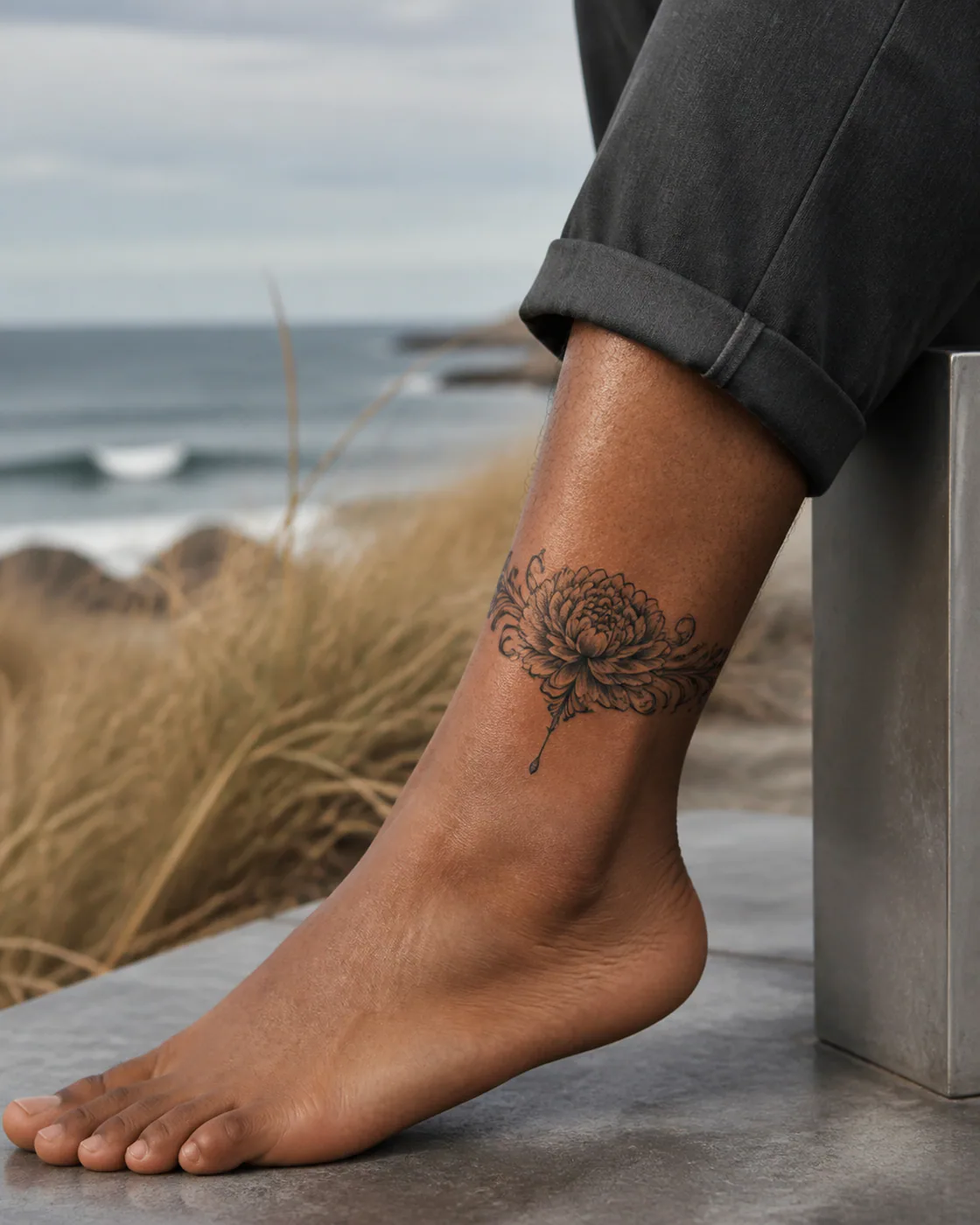
Ornamental Flower Tattoo for the Ankle
An original flower concept shaped as a healed ornamental tattoo for the ankle.
- Ornamental
- Flowers & Botanicals
- Ankle
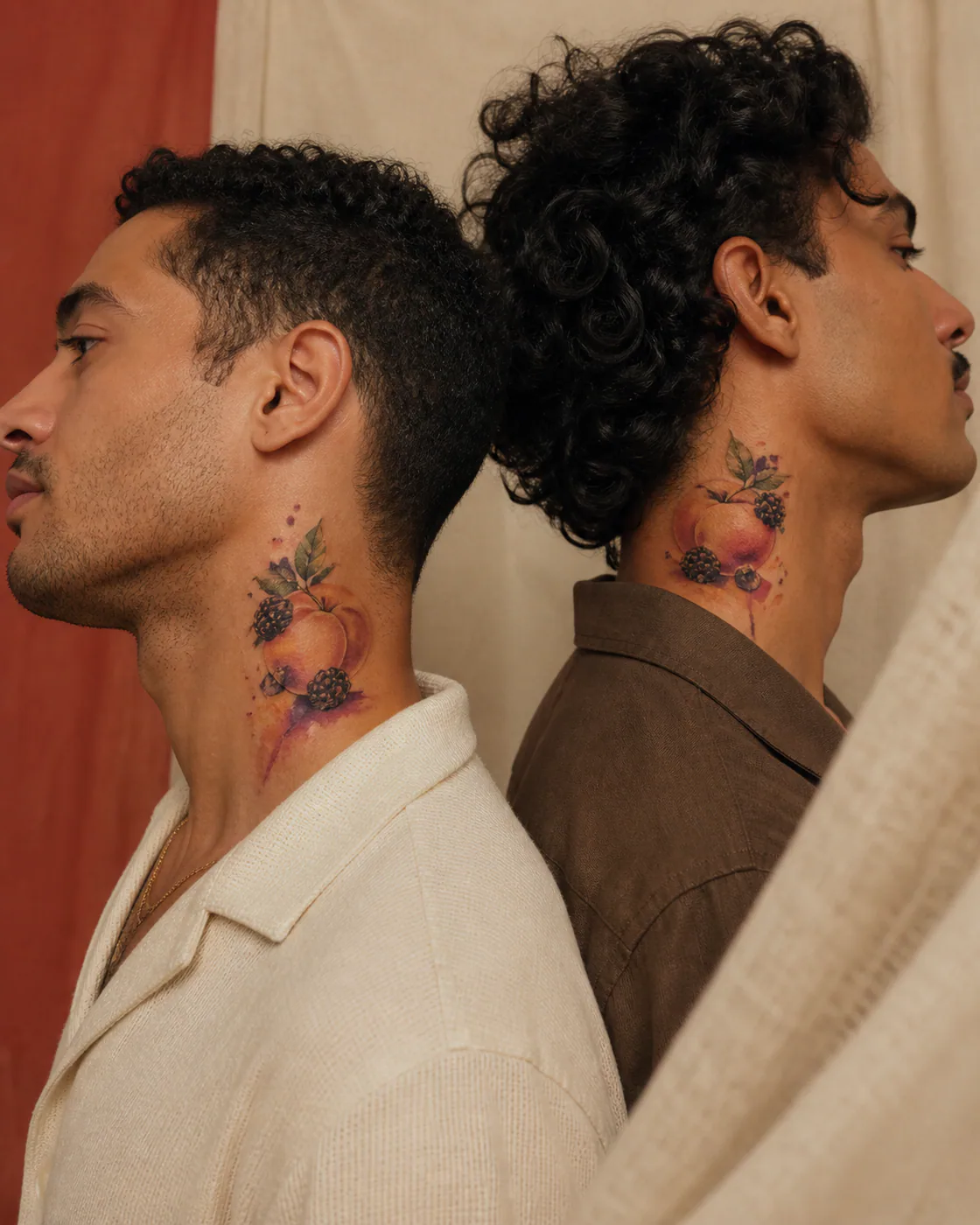
Watercolor Couple Food Tattoo for the Neck
An original food concept shaped as a healed watercolor tattoo for the neck.
- Watercolor
- Food
- Neck
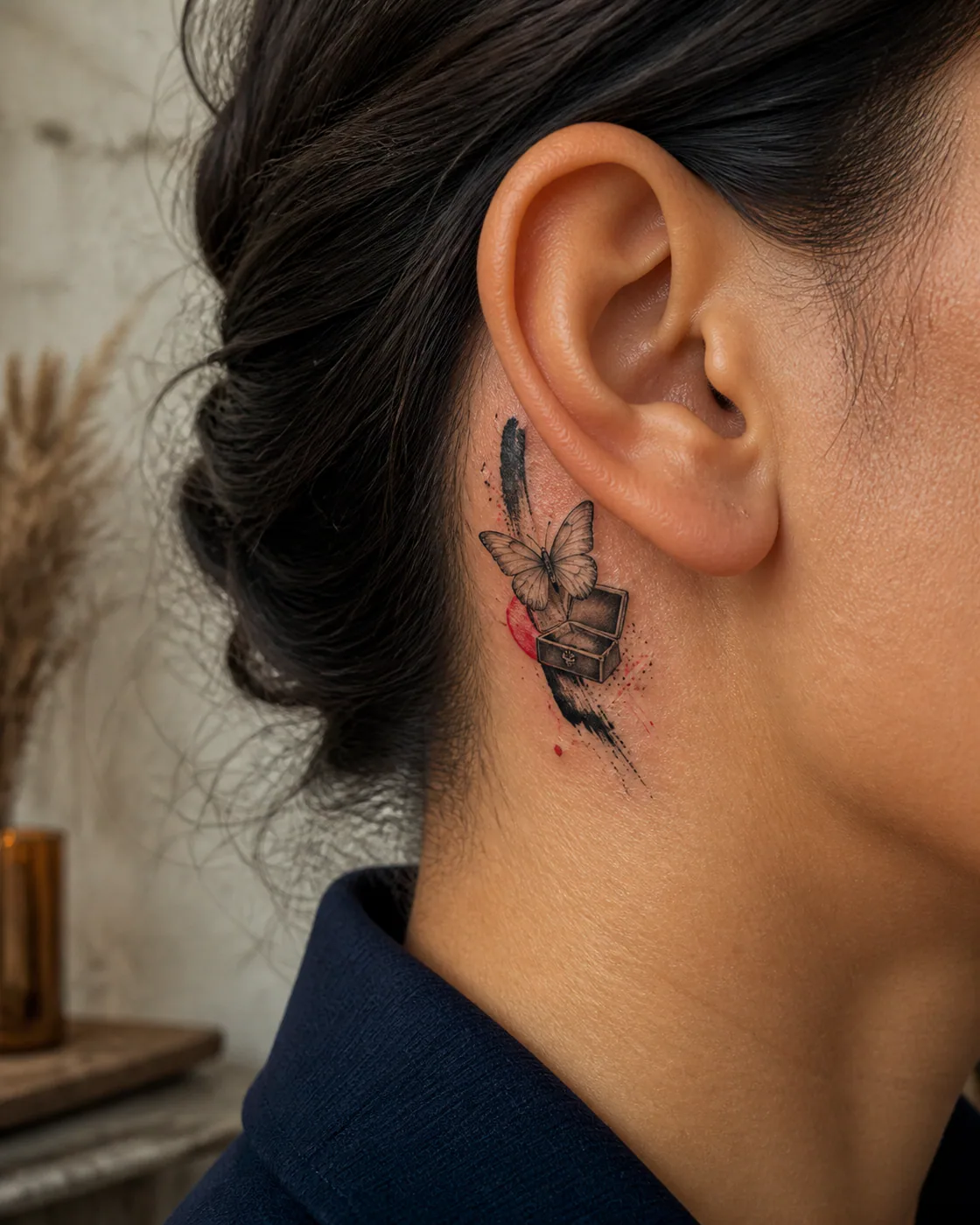
Trash Polka Memory Tattoo for the Behind Ear
An original memory concept shaped as a healed trash polka tattoo for the behind ear.
- Trash Polka
- Memory
- Behind the Ear
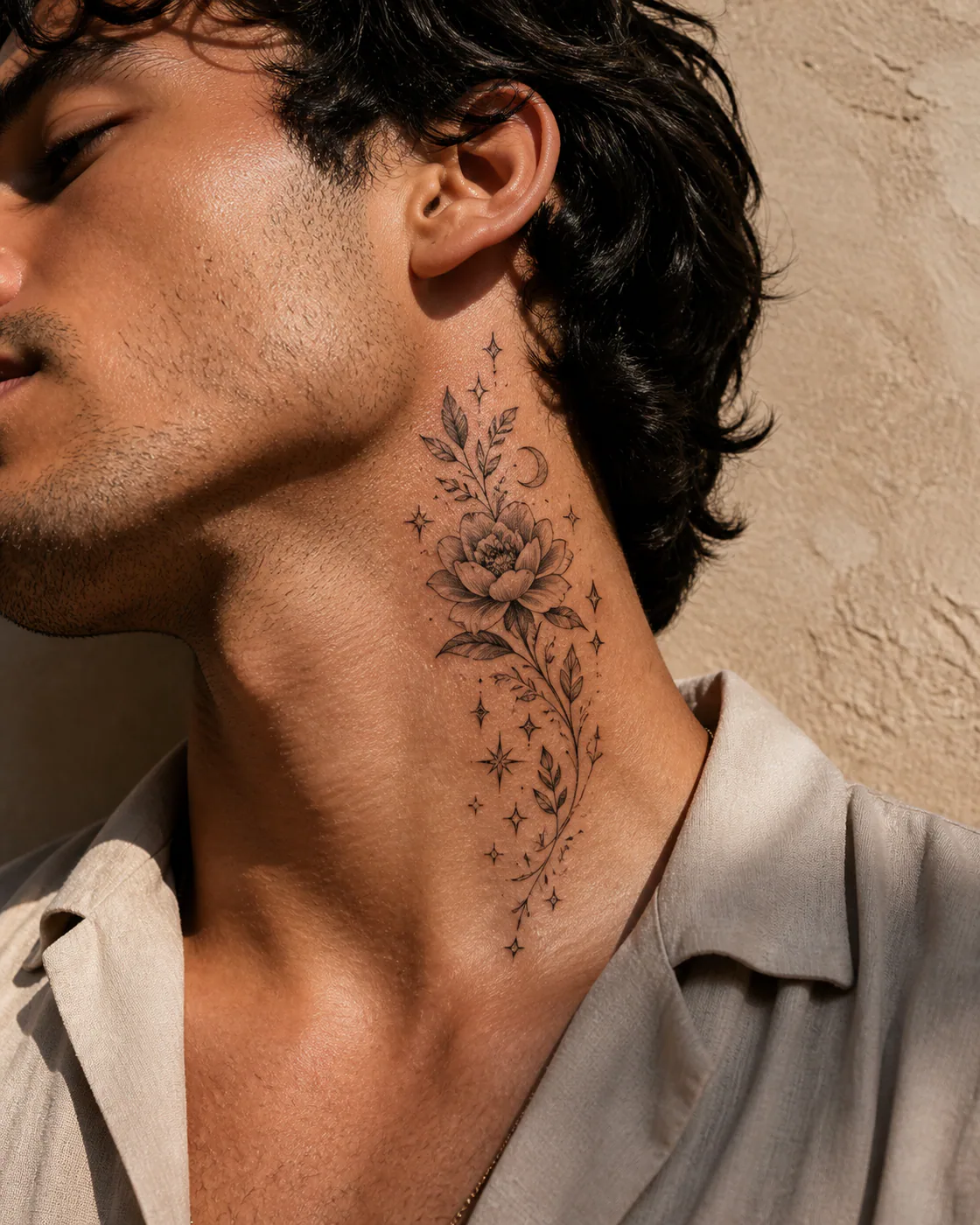
Floral Filler Tattoo for the Neck
An original filler concept shaped as a healed floral tattoo for the neck.
- Floral
- Fillers
- Neck

Illustrative Travel Tattoo for the Neck
An original travel concept shaped as a healed illustrative tattoo for the neck.
- Illustrative
- Travel
- Neck
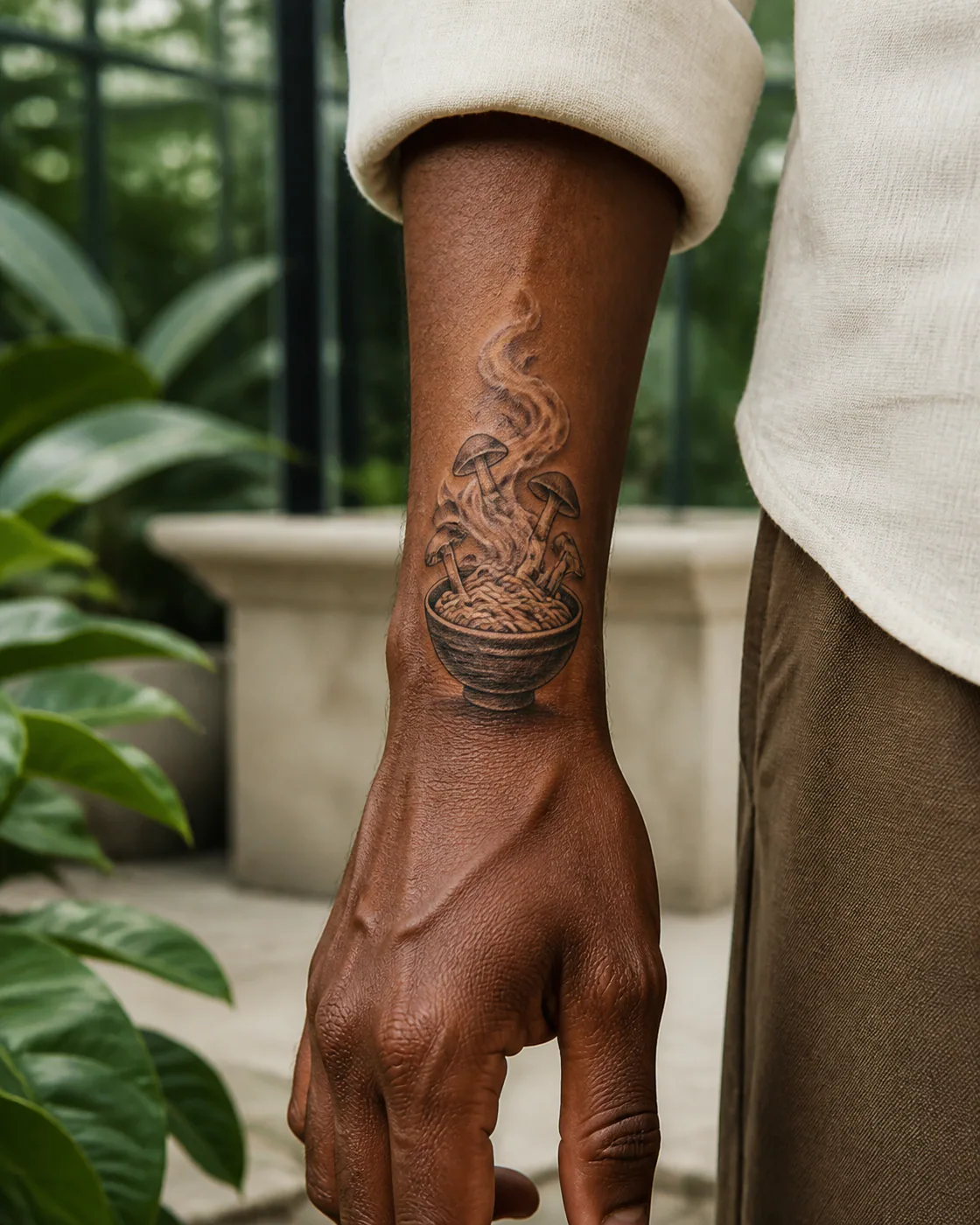
Surrealism Food Tattoo for the Wrist
An original food concept shaped as a healed surrealism tattoo for the wrist.
- Surrealism
- Food
- Wrist
COMPACT DESIGN DIRECTIONS
Small ideas with one strong visual decision
These directions avoid miniature posters and focus instead on symbols, outlines, and selective details that can survive a genuinely small format.
Single-object memory symbols
Choose one specific object—a cup, camera, fruit, shell, key, or toy—that instantly returns you to a person, place, or chapter.
Recognizable animal silhouettes
Use posture, ears, tail, wings, or profile to identify the animal without compressing fur, scales, and facial detail into a tiny space.
Botanical sprigs with open spacing
One stem or a few leaves can preserve the character of a plant better than a crowded miniature bouquet.
Minimal celestial events
A moon phase, eclipse, orbit, constellation fragment, or sun line can carry a time-based meaning with very few marks.
Short lettering with intentional type
One word, date, or compact phrase needs generous counters and spacing. Test the lettering at its real printed size before committing.
Paired symbols with a shared rule
For friends, siblings, or partners, connect two small tattoos through scale, line language, or a divided image instead of making exact copies.
KEEP THE IDEA SIMPLE ENOUGH TO STAY LEGIBLE
Compare small tattoo directions by detail and durability
Small describes the footprint, not the amount of detail a tattoo can safely hold. Strong small concepts use a clear silhouette, purposeful spacing, and a scale appropriate to the placement and artist's technique.
Small-tattoo direction: Minimal single-shape symbol
- Often works well for
- Hearts, waves, stars, simple animals, geometric marks, and other instantly readable forms.
- Scale cue
- Compact, with one consistent outline and enough open interior space to preserve the shape.
- What to check
- Judge it at normal viewing distance; if the silhouette disappears, simplify or enlarge it.
Small-tattoo direction: Short lettering or numerals
- Often works well for
- Dates, initials, coordinates, one-word reminders, and brief text with personal context.
- Scale cue
- Small but not compressed, with letter spacing chosen for the font and body location.
- What to check
- Check spelling, orientation, character spacing, and healed samples of the artist's lettering.
Small-tattoo direction: Simplified fine-line study
- Often works well for
- Botanical sprigs, tiny objects, continuous-line figures, and restrained illustrative subjects.
- Scale cue
- Small to medium after secondary texture and closely spaced lines are removed.
- What to check
- Do not judge only fresh close-ups; inspect healed work and ask what detail is likely to soften.
Small-tattoo direction: Compact traditional flash
- Often works well for
- Roses, daggers, swallows, lucky symbols, and bold motifs that need to read from farther away.
- Scale cue
- Small to medium with simplified shapes, firm outlines, and restrained internal detail.
- What to check
- Protect enough surrounding space if the piece may become part of a future patchwork layout.
DESIGN FOR REAL SIZE
Make the concept simpler before making it smaller
Shrinking a detailed image is not the same as designing a small tattoo. Start at the final dimensions and protect the negative space.
Print it at actual size
A design that looks clean when enlarged on a phone may collapse at three centimeters. Print or view a true-size version early.
Protect the silhouette
If the subject is unclear when filled as one dark shape, internal detail will not rescue it from normal viewing distance.
Reduce crossings and micro-gaps
Lines naturally soften over time. Fewer intersections and wider openings give the design more room to age.
Choose a stable placement
Very small work on fingers, feet, and other high-friction areas may fade or blur faster. Ask an artist about the tradeoffs for your exact spot.
ARTIST HANDOFF
Give your artist permission to simplify
The artist may recommend a slightly larger size, fewer details, or a different line weight. Those changes often preserve the idea rather than weaken it.
Include in your brief
- The maximum and minimum physical size you would accept.
- The one shape or detail that must remain recognizable.
- Your preferred placement and one backup placement.
- A true-size printout or phone mockup for scale.
- Whether you value delicacy, contrast, or longevity most when they conflict.
KEEP EXPLORING
Related tattoo idea collections
Use another placement, size, audience, or subject to make your direction more specific.

Tattoo Ideas for Women
Discover expressive tattoo directions across delicate, graphic, colorful, symbolic, and body-led compositions.
Explore the collection
Tattoo Ideas for Men
Explore bold, restrained, symbolic, and placement-aware directions without treating masculinity as a single visual style.
Explore the collection
Flower Tattoo Ideas
Explore specific blooms, botanical structures, symbolic pairings, and compositions from tiny stems to large body-led florals.
Explore the collectionCOMMON QUESTIONS
What to know before choosing this direction
What size counts as a small tattoo?
There is no universal cutoff, but many people mean a design roughly 2–7 cm or 1–3 inches across. Complexity matters more than the label: a detailed face needs more space than a simple symbol.
Do small tattoos fade faster?
Size alone does not determine fading, but very fine lines, tight gaps, high-friction placement, sun exposure, and healing can affect clarity. An experienced artist can recommend spacing and line weight.
Where do small tattoos work best?
The forearm, upper arm, shoulder blade, calf, thigh, and ankle can offer relatively stable space. Fingers, hands, and feet have distinct wear and touch-up considerations.
How much detail can a tiny tattoo hold?
Less than a screen mockup suggests. Prioritize one silhouette and a few separated interior marks. Your tattoo artist should set the final minimum dimensions.
What makes a small tattoo idea meaningful?
Specificity matters more than complexity. A familiar object, handwriting fragment, local plant, coordinate, or deliberately chosen symbol can carry a personal story while remaining visually simple enough for a compact design.
Are simple tattoos and minimalist tattoos the same?
Not necessarily. Simple describes how little information a design needs to read, while minimalist is a visual approach. A small traditional symbol can be simple without looking minimalist, and minimalist art can still require careful spacing.
TURN INSPIRATION INTO AN ORIGINAL CONCEPT
Keep designing with your own story
Take the subject, placement, and style into the AI generator, then use virtual try-on to judge approximate scale. A tattoo artist should still redraw the final design for your body.