COVER-UP TATTOO COLLECTION
Cover-up tattoo ideas built with dark saturation, scale & organic flow
Covering an existing tattoo is a camouflage problem, not just a style choice. Compare high-contrast florals, heavy blackwork, Japanese scales, and feathered compositions designed to redirect the eye and disguise old pigment.
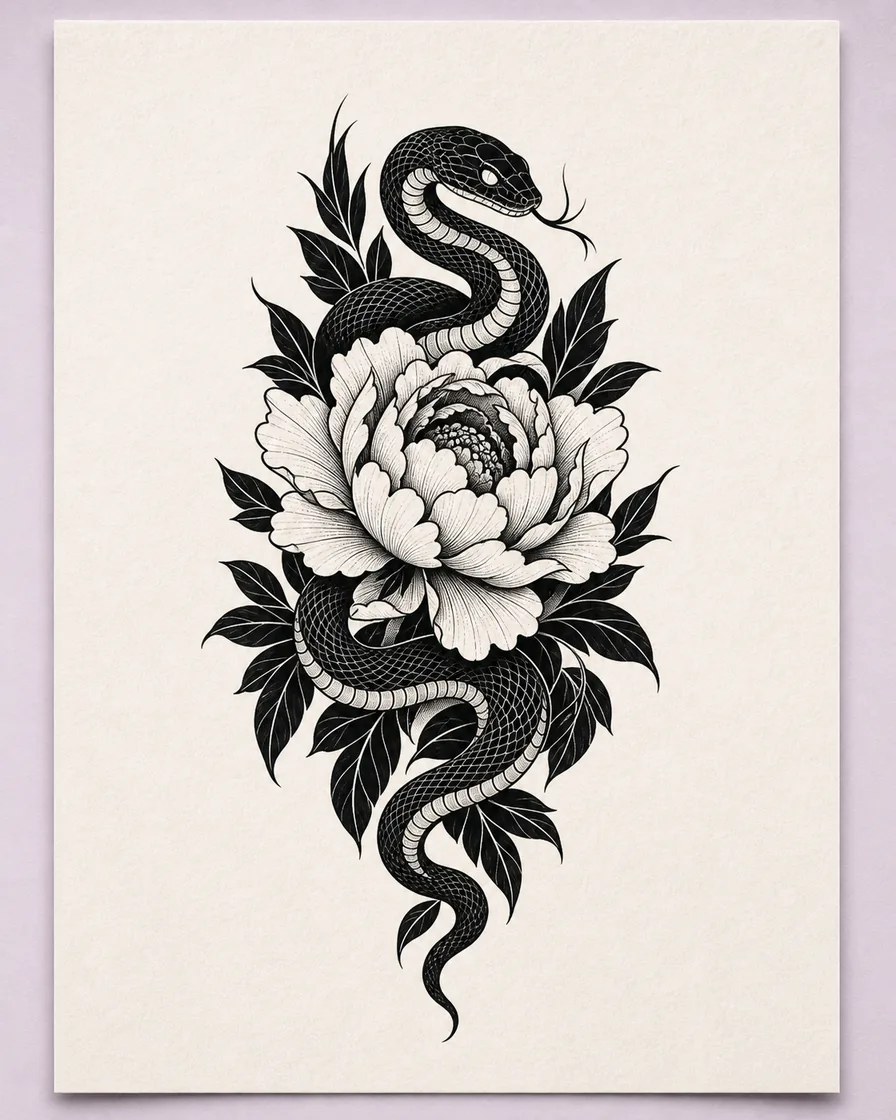
COVER-UP GALLERY · 58 CONCEPTS
58 cover-up tattoo concepts with dense value, organic texture, and smart negative space
Filter by visual style, theme, or body placement to compare motifs with enough saturation and organic texture to break up older linework.
58 design directions
Page 1 of 3
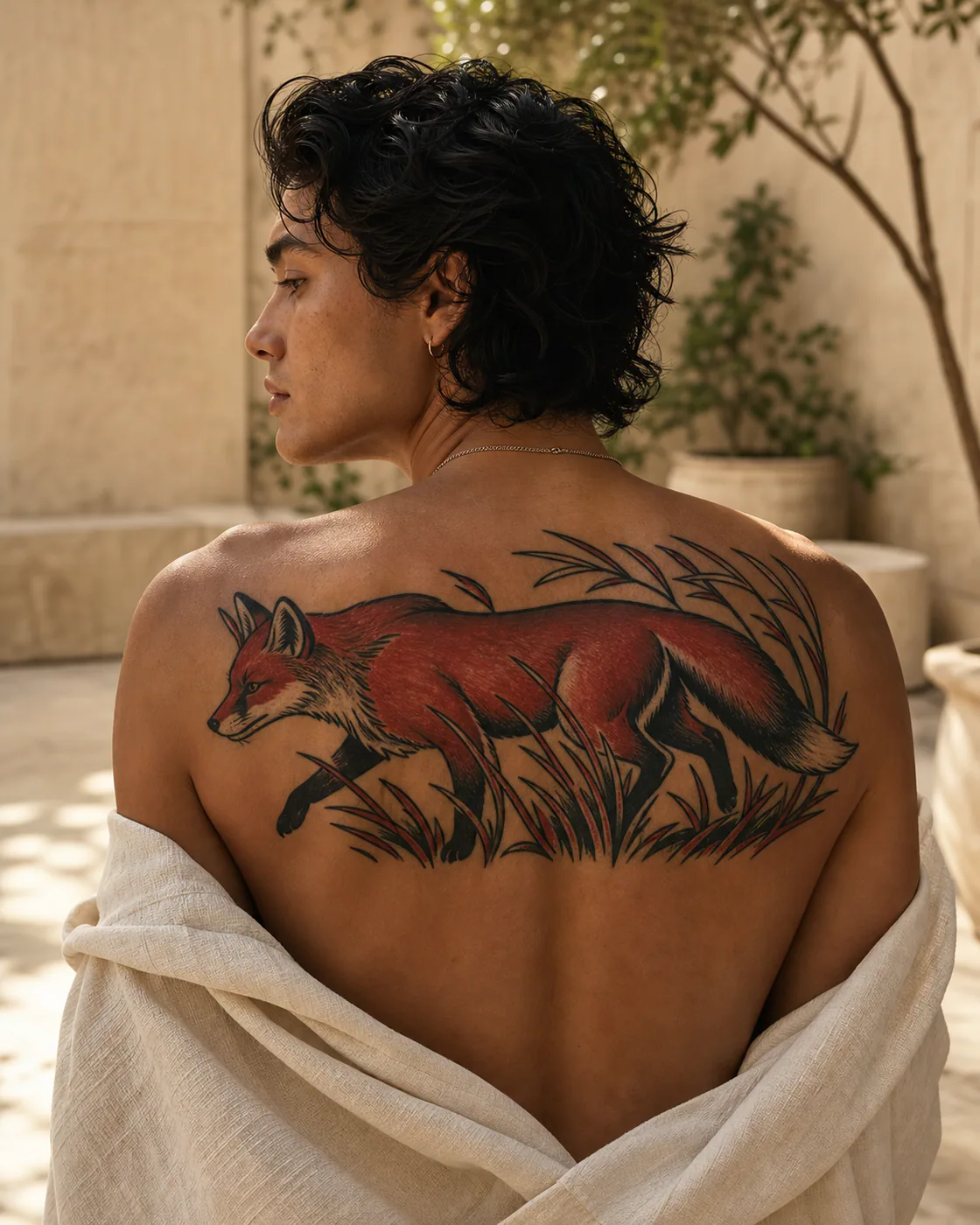
American Traditional Animal Tattoo for the Upper Back
An original animal concept shaped as a healed american traditional tattoo for the upper back.
- American Traditional
- Animals
- Upper Back
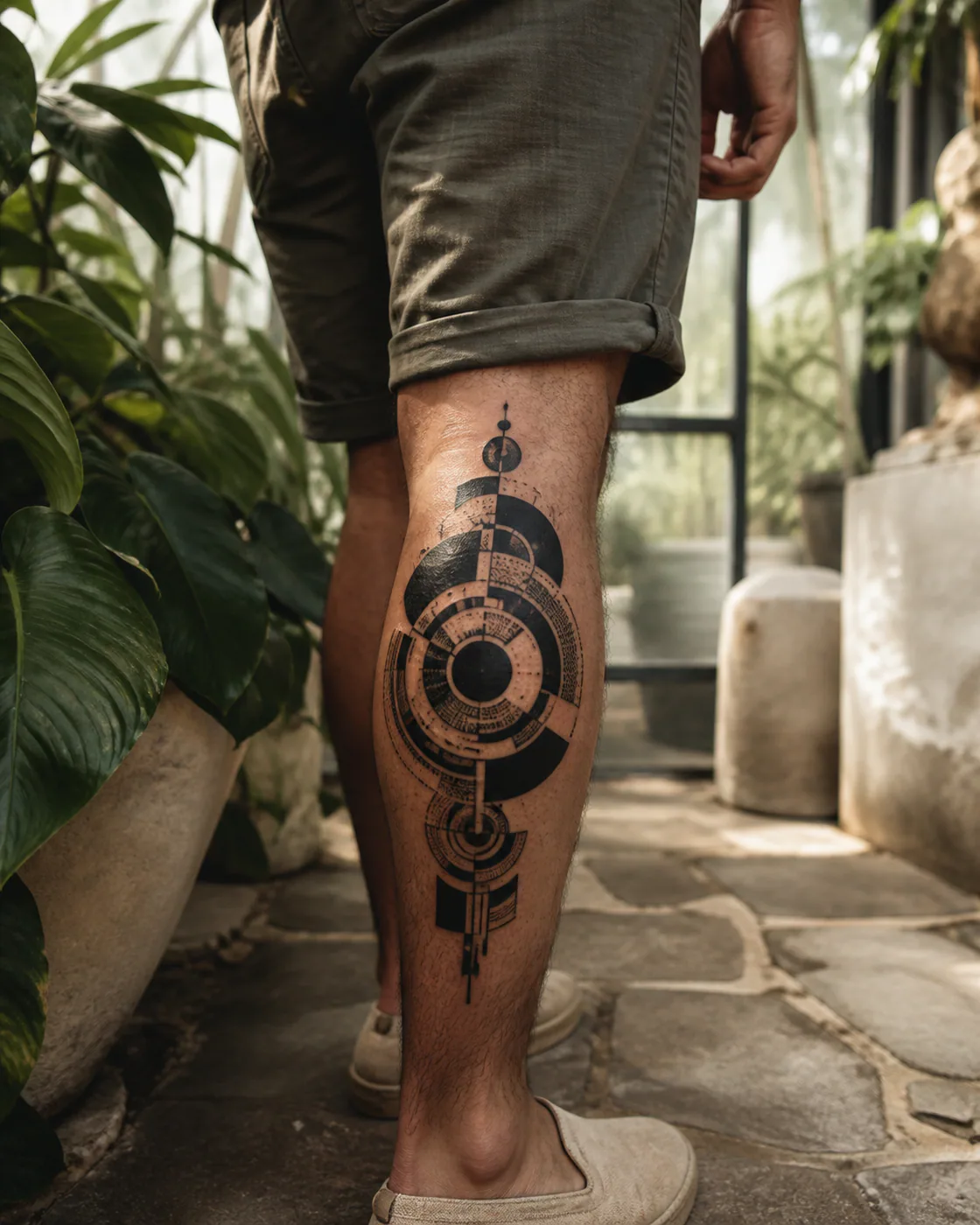
Blackwork Music Tattoo for the Calf
An original music concept shaped as a healed blackwork tattoo for the calf.
- Blackwork
- Music
- Calf
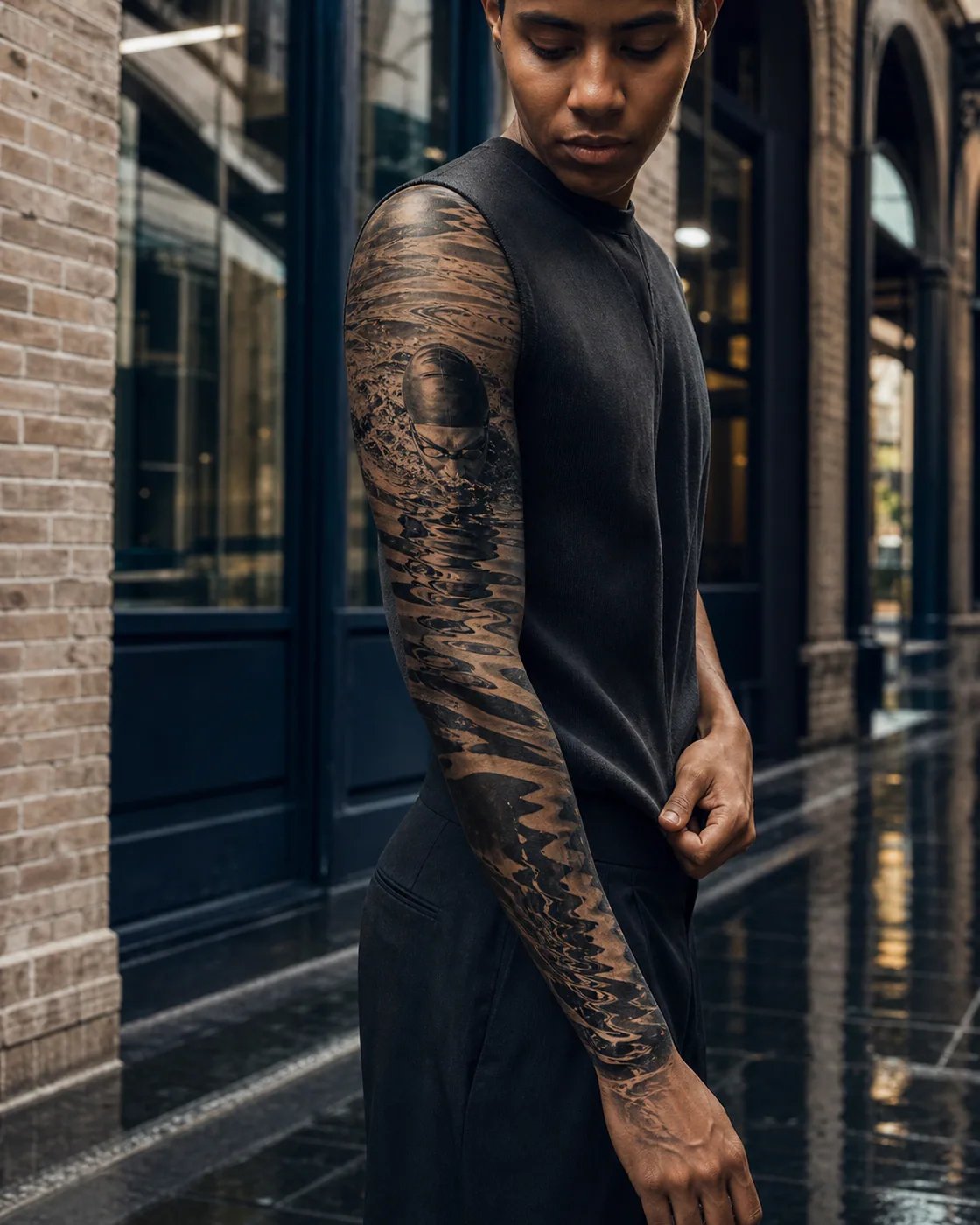
Black And Grey Portrait Tattoo for the Full Sleeve
An original portrait concept shaped as a healed black and grey tattoo for the full sleeve.
- Black & Gray
- Portrait
- Full Sleeve
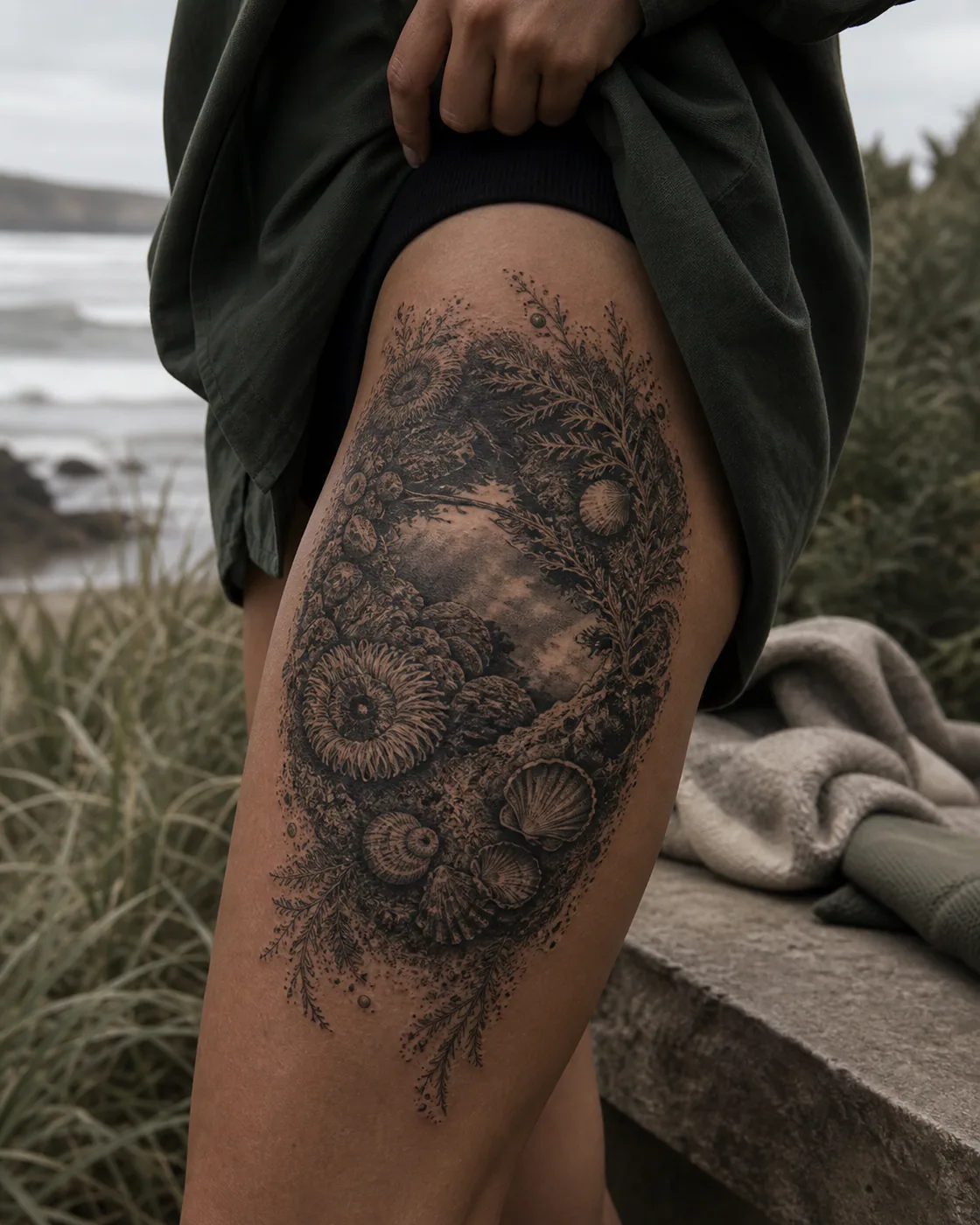
Dotwork Nautical Tattoo for the Thigh
An original nautical concept shaped as a healed dotwork tattoo for the thigh.
- Dotwork
- Nautical
- Thigh
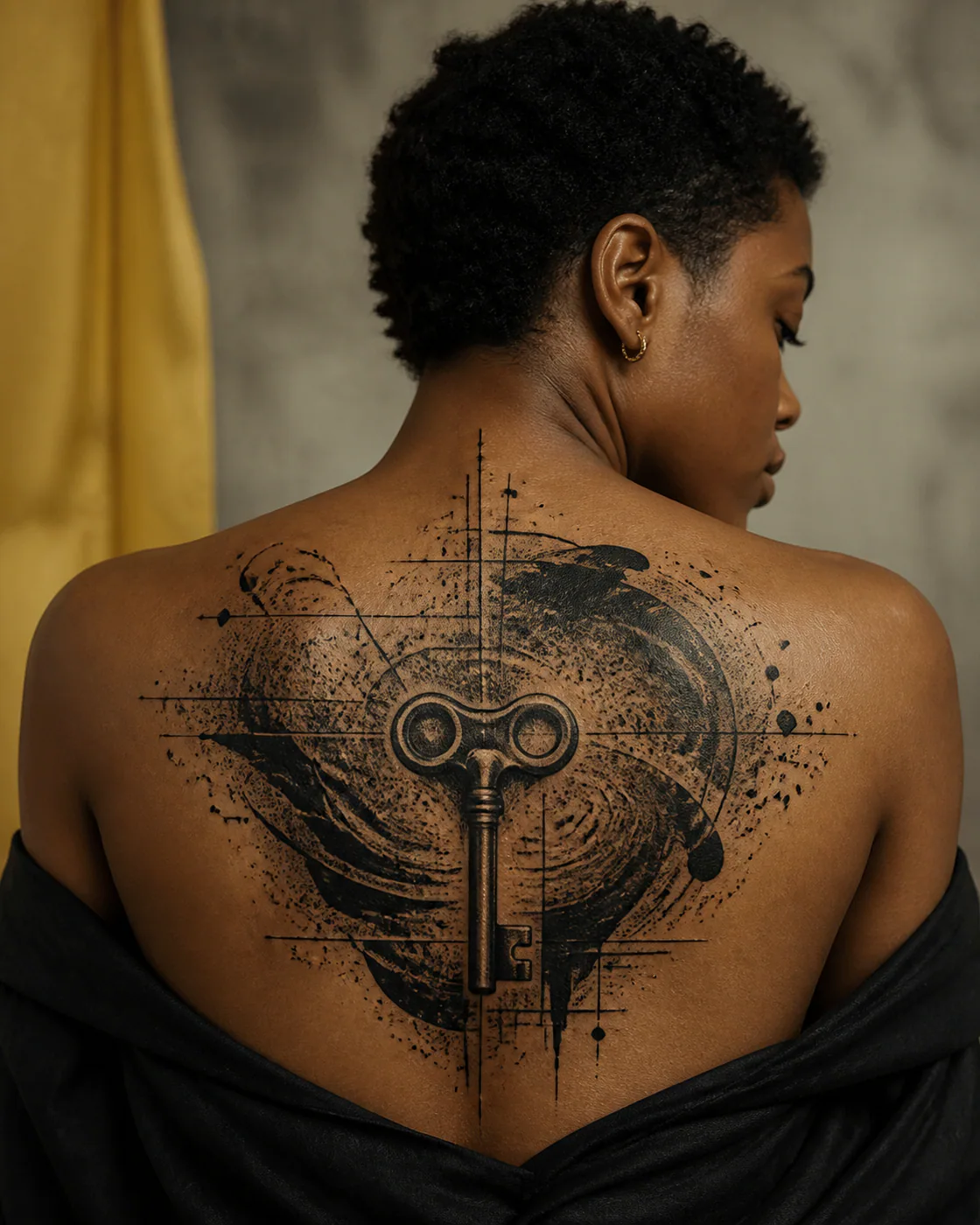
Blackwork Memory Tattoo for the Upper Back
An original memory concept shaped as a healed blackwork tattoo for the upper back.
- Blackwork
- Memory
- Upper Back
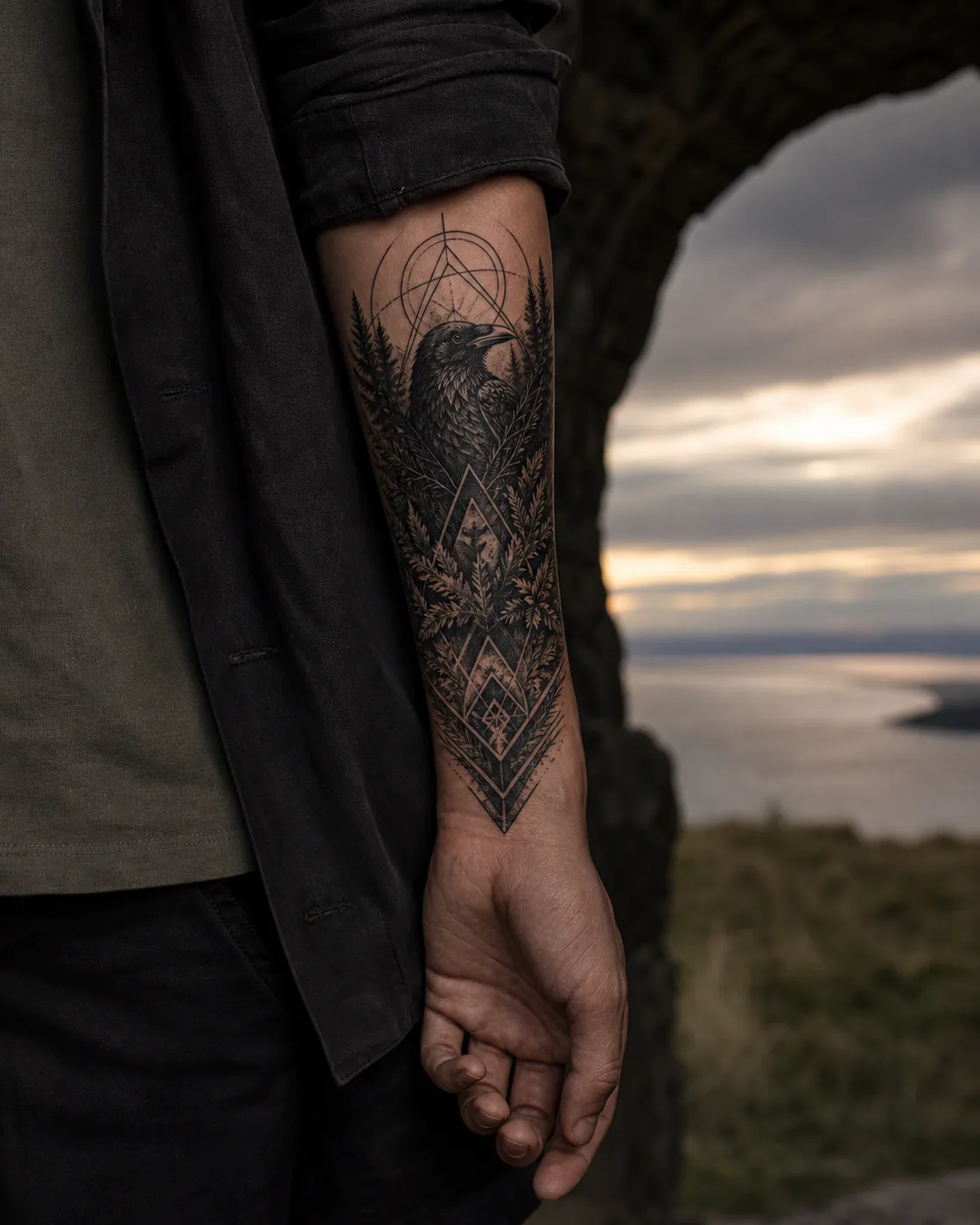
Geometric Animal Tattoo for the Forearm
An original animal concept shaped as a healed geometric tattoo for the forearm.
- Geometric
- Animals
- Forearm
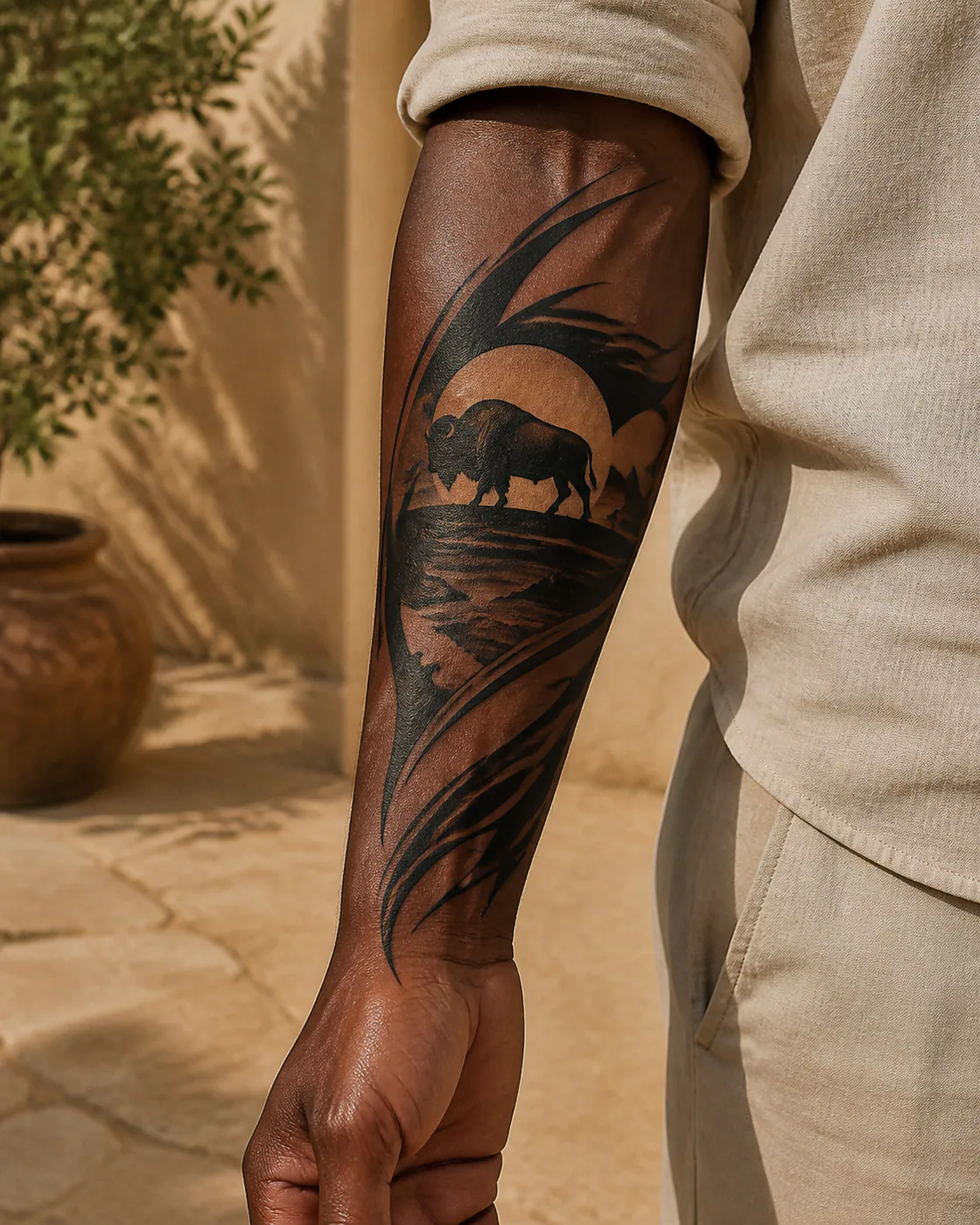
Tribal Western Tattoo for the Forearm
An original western concept shaped as a healed tribal tattoo for the forearm.
- Tribal
- Western
- Forearm
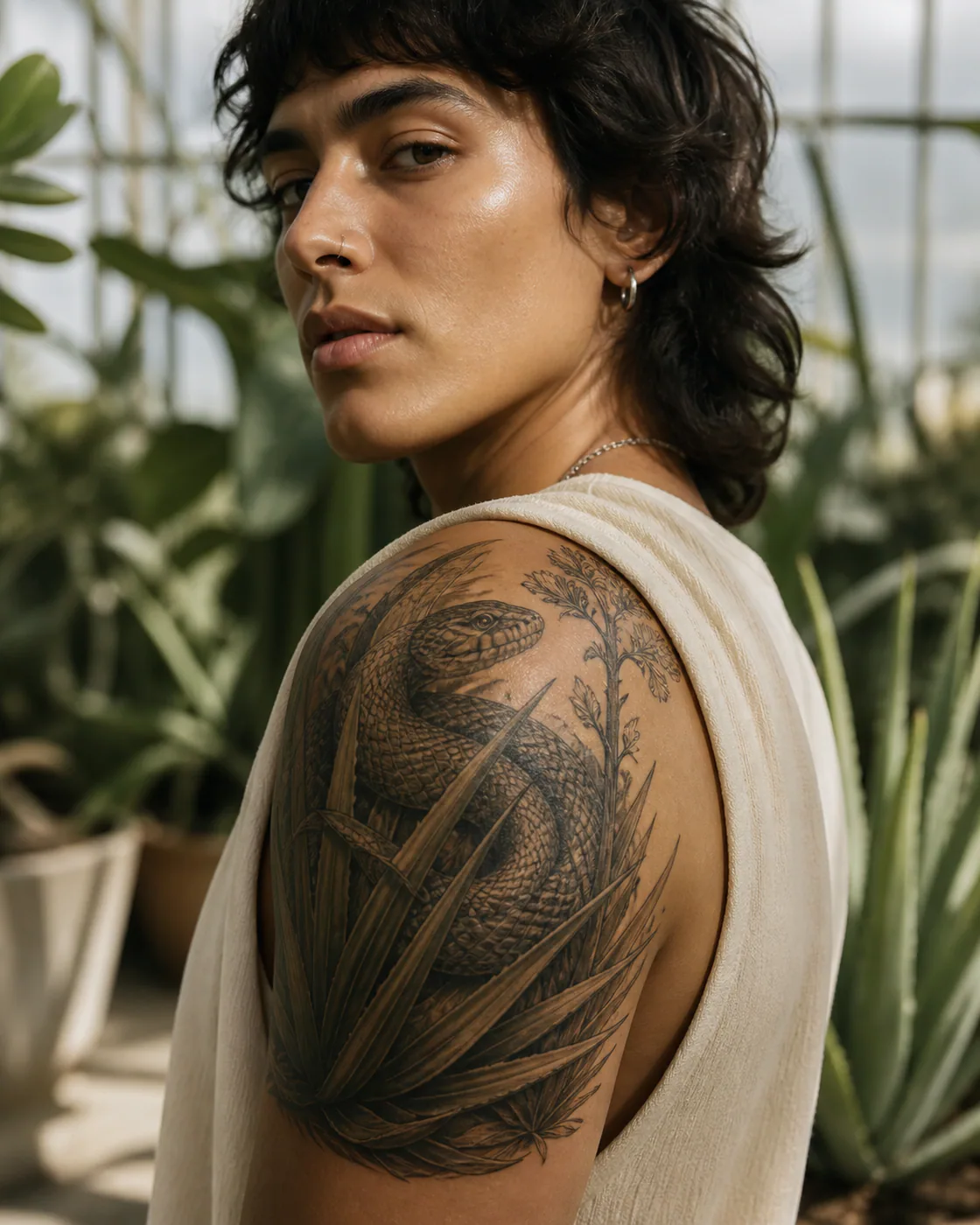
Illustrative Western Tattoo for the Shoulder
An original western concept shaped as a healed illustrative tattoo for the shoulder.
- Illustrative
- Western
- Shoulder
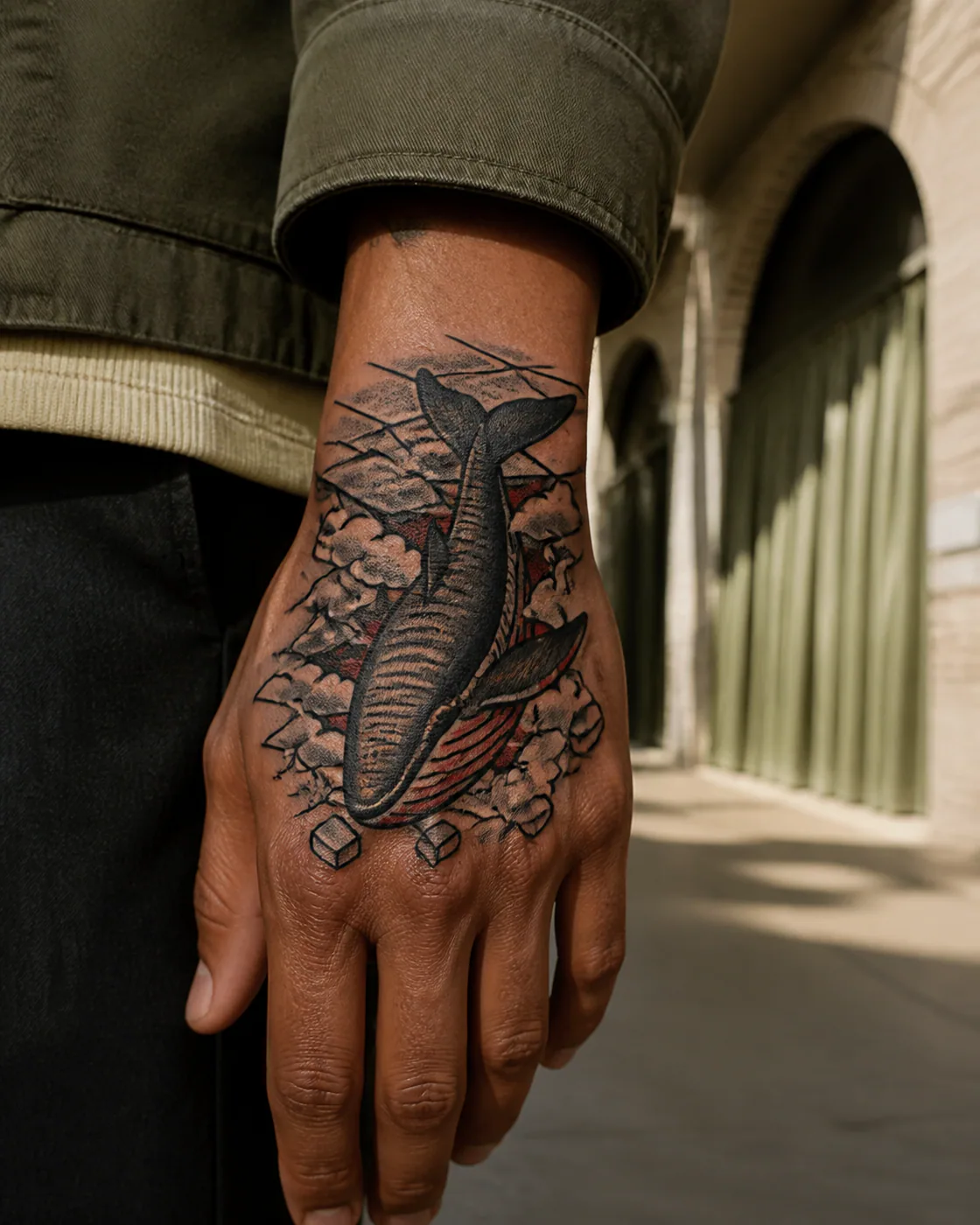
American Traditional Surreal Tattoo for the Hand
An original surreal concept shaped as a healed american traditional tattoo for the hand.
- American Traditional
- Surreal
- Hand
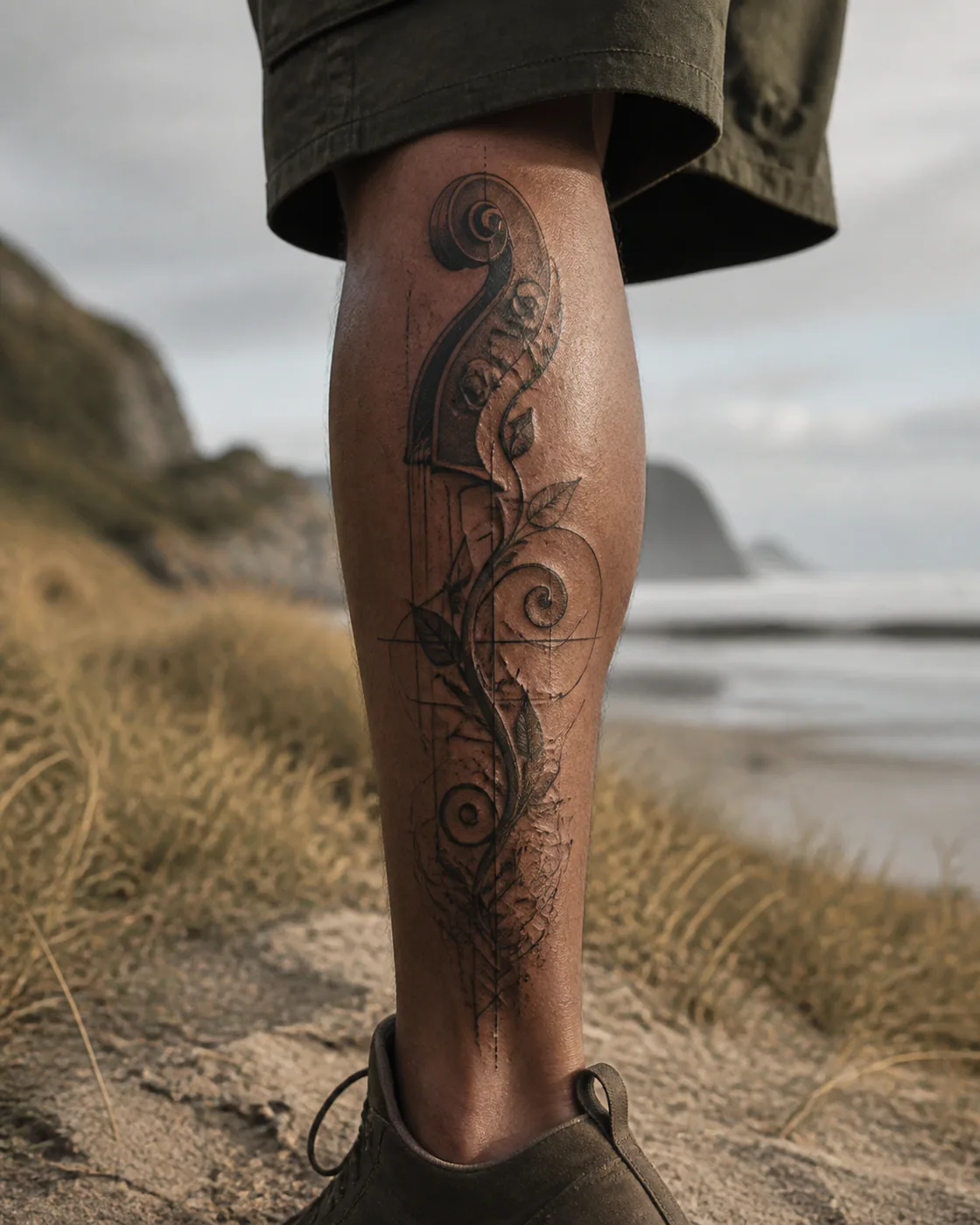
Geometric Music Tattoo for the Calf
An original music concept shaped as a healed geometric tattoo for the calf.
- Geometric
- Music
- Calf
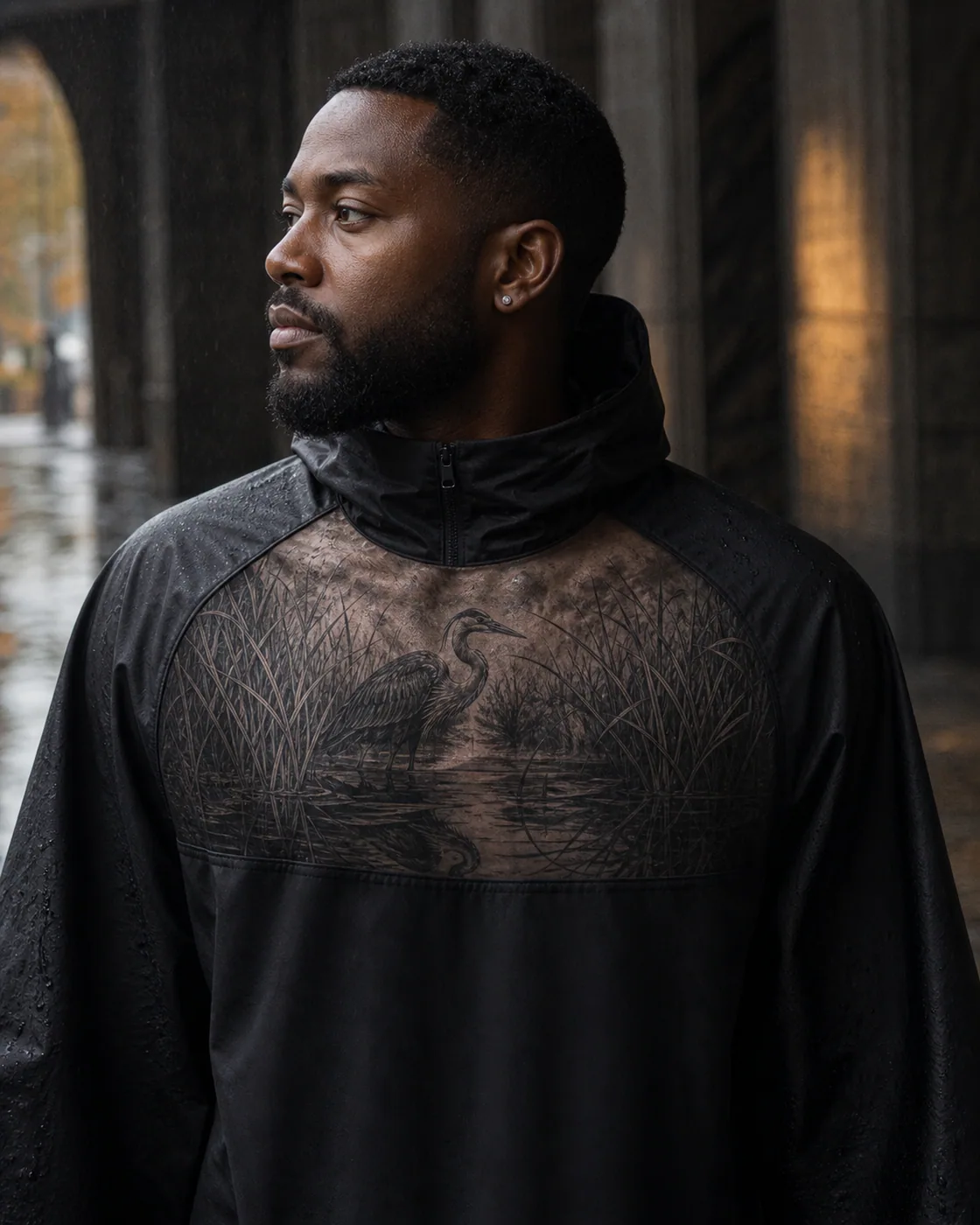
Black And Grey Animal Tattoo for the Chest
An original animal concept shaped as a healed black and grey tattoo for the chest.
- Black & Gray
- Animals
- Chest
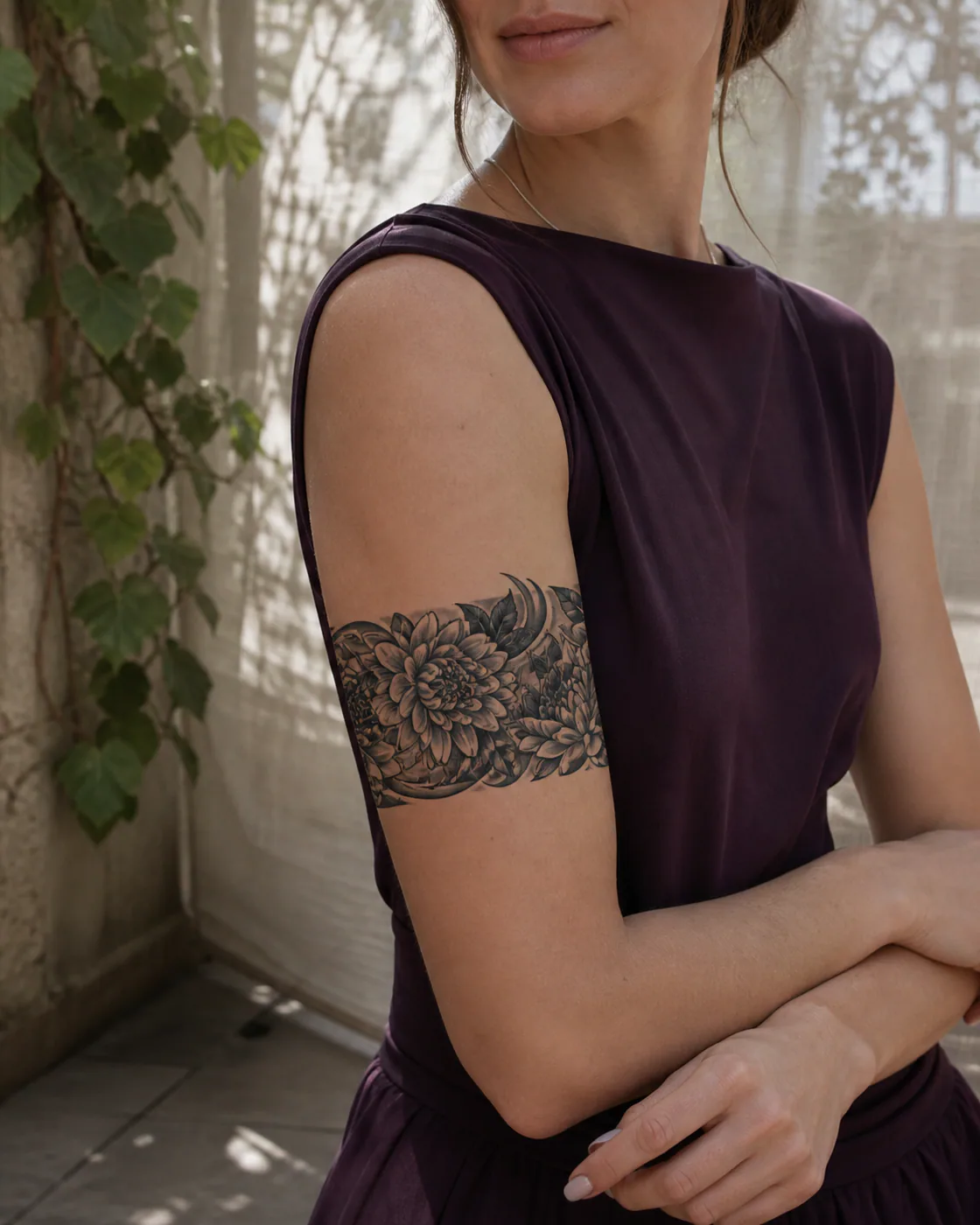
Tribal Flower Tattoo for the Armband
An original flower concept shaped as a healed tribal tattoo for the armband.
- Tribal
- Flowers & Botanicals
- Armband
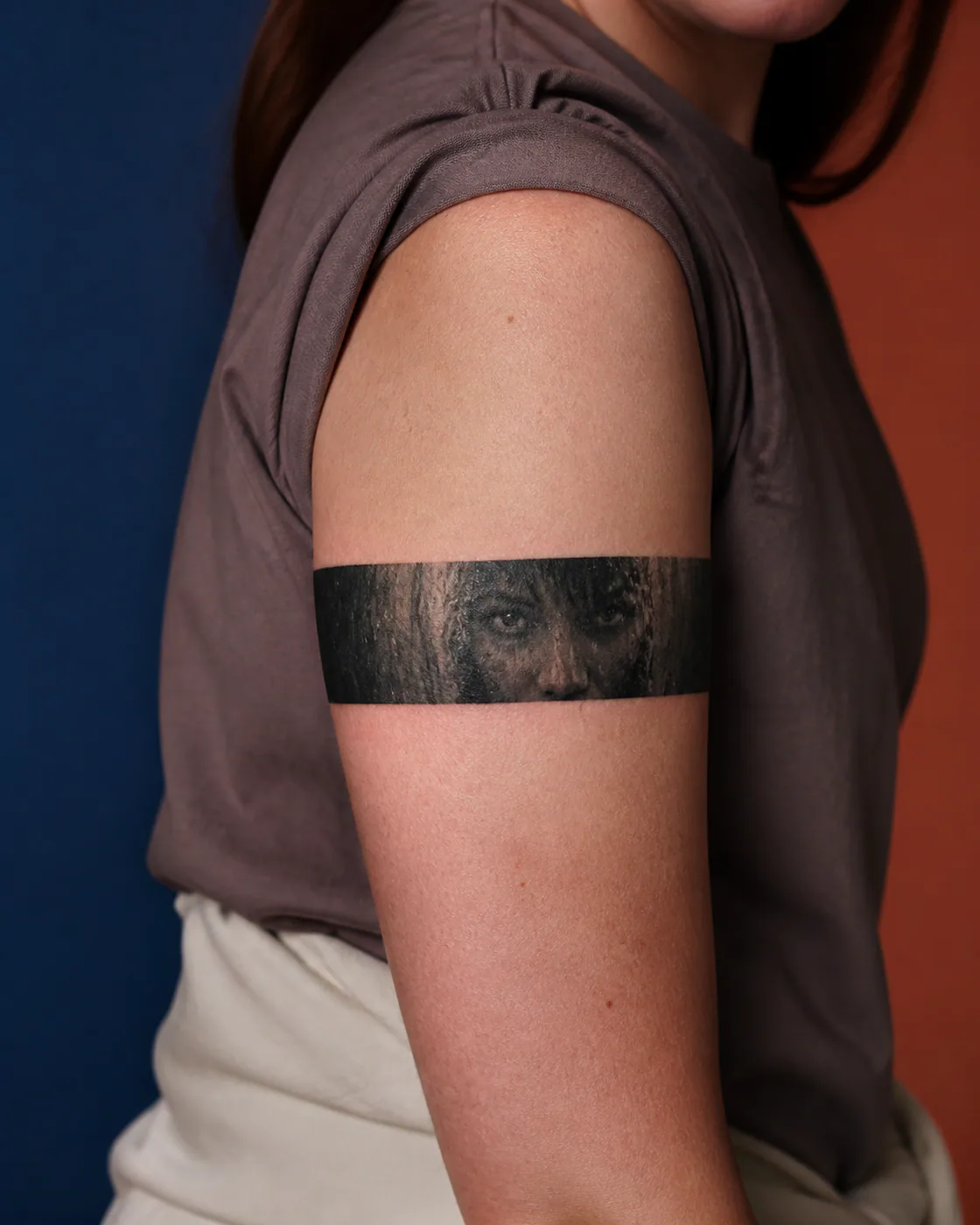
Minimalist Portrait Tattoo for the Armband
An original portrait concept shaped as a healed minimalist tattoo for the armband.
- Minimalist
- Portrait
- Armband
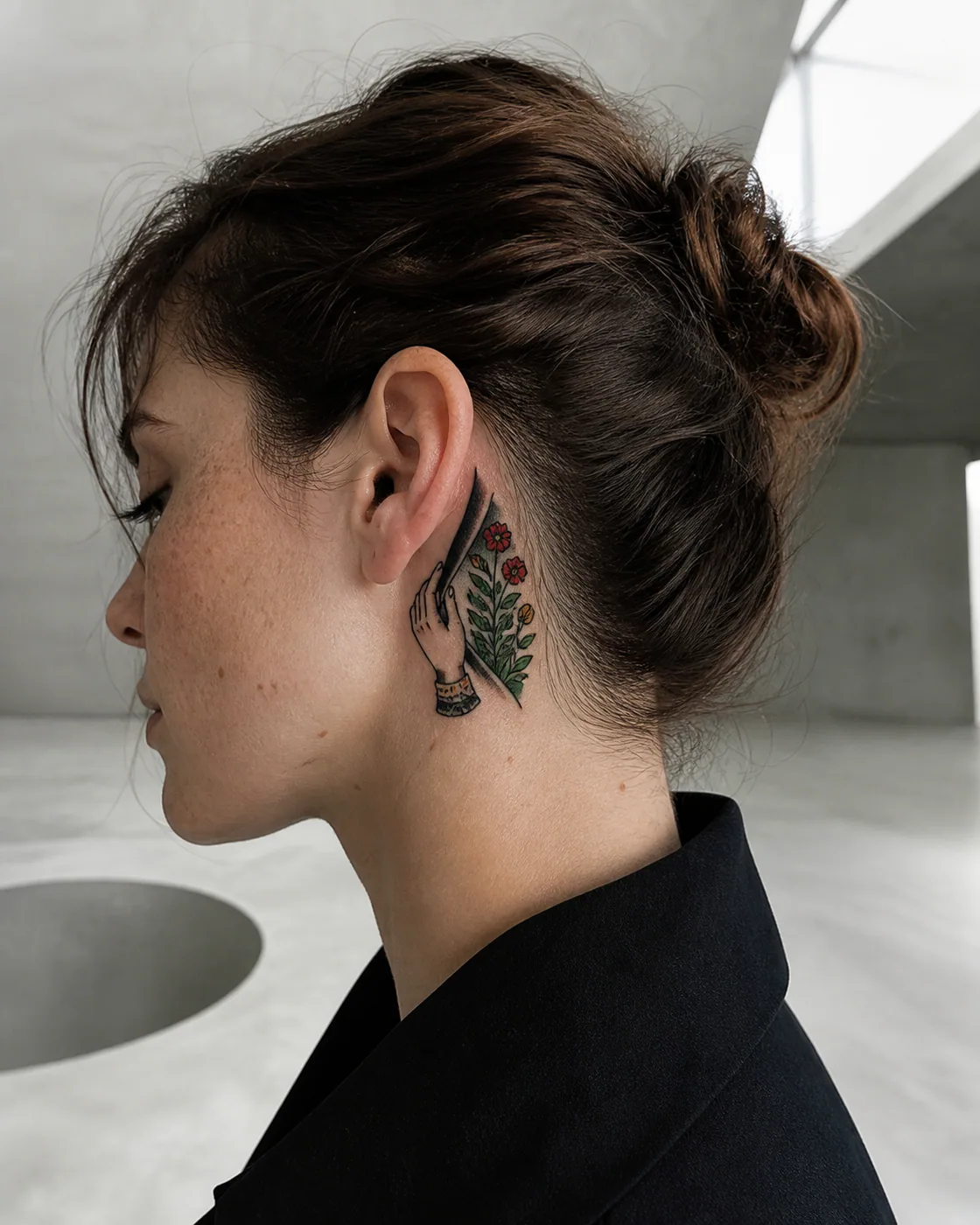
American Traditional Surreal Tattoo for the Behind Ear
An original surreal concept shaped as a healed american traditional tattoo for the behind ear.
- American Traditional
- Surreal
- Behind the Ear
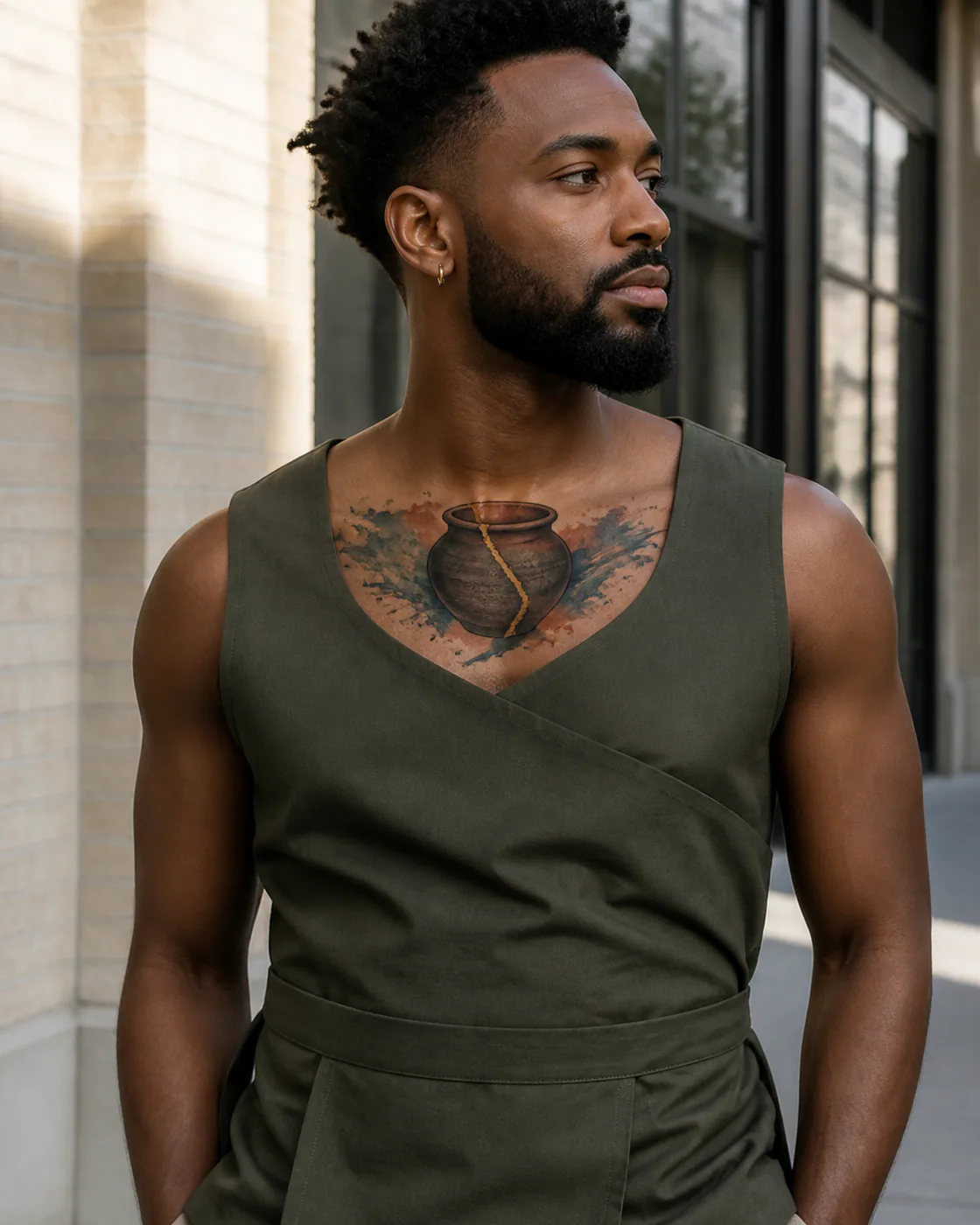
Watercolor Symbolic Tattoo for the Chest
An original symbolic concept shaped as a healed watercolor tattoo for the chest.
- Watercolor
- Symbols & meaning
- Chest
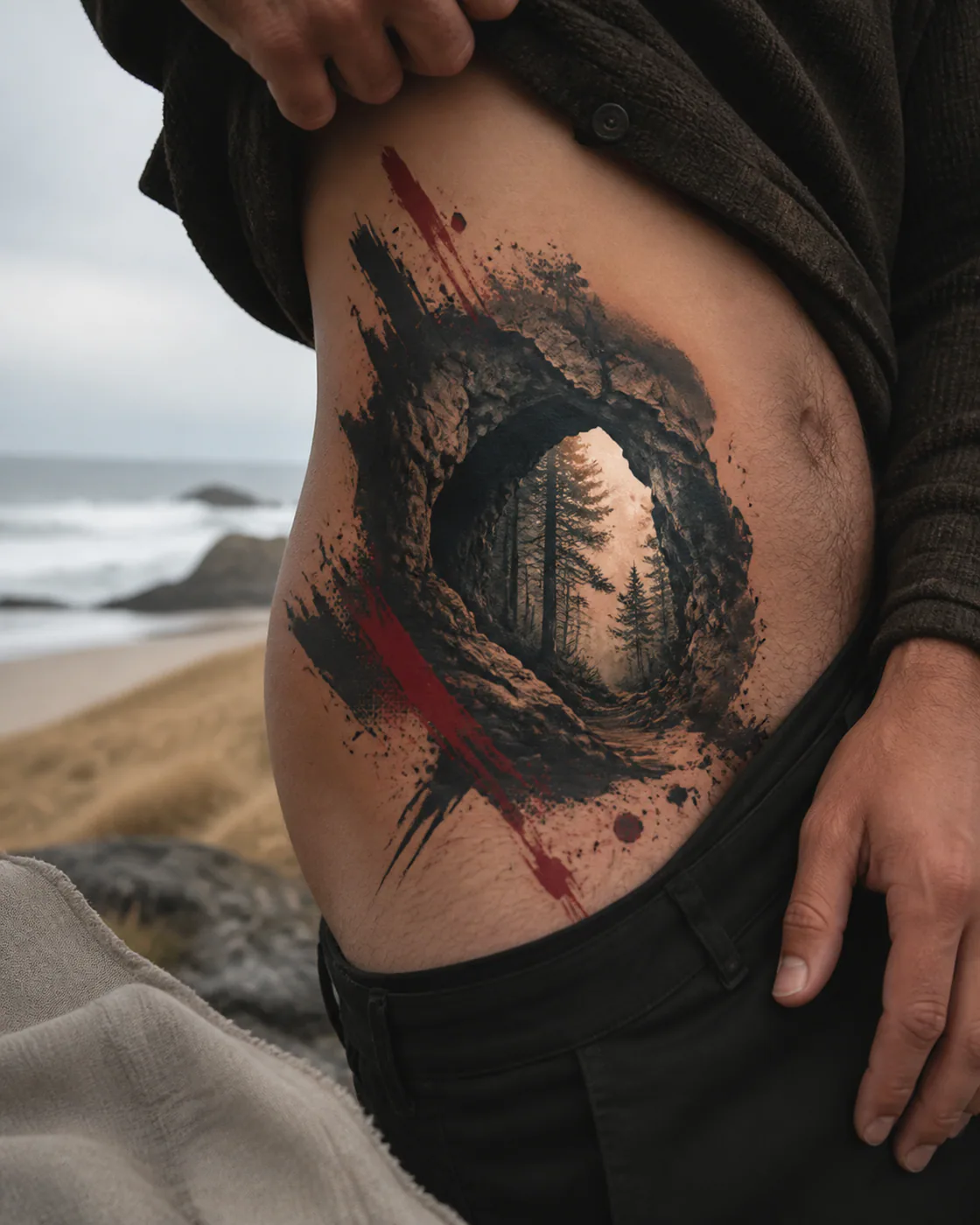
Trash Polka Nature Tattoo for the Hip
An original nature concept shaped as a healed trash polka tattoo for the hip.
- Trash Polka
- Nature
- Hip
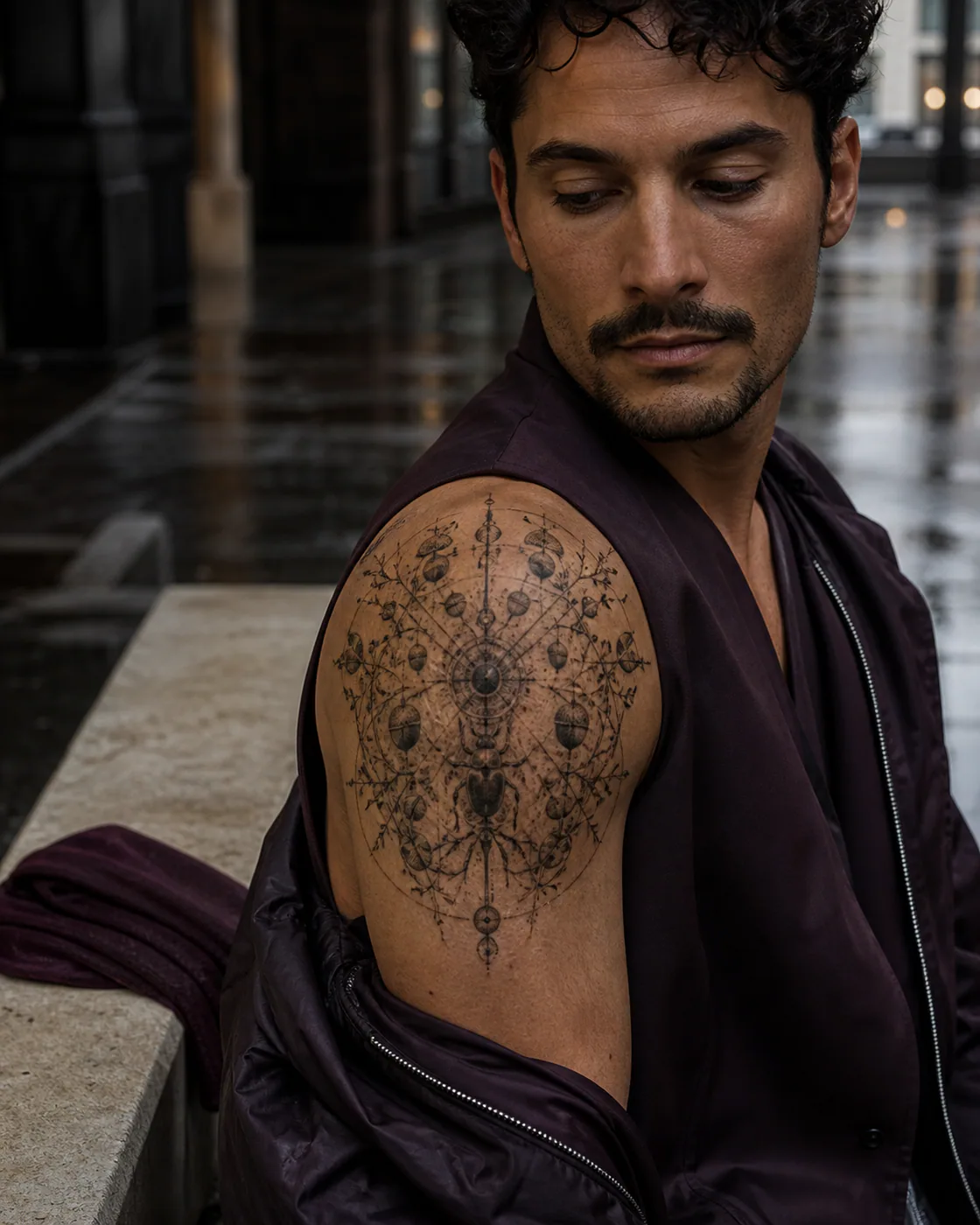
Cyber Sigilism Filler Tattoo for the Shoulder
An original filler concept shaped as a healed cyber sigilism tattoo for the shoulder.
- Cybersigilism
- Fillers
- Shoulder
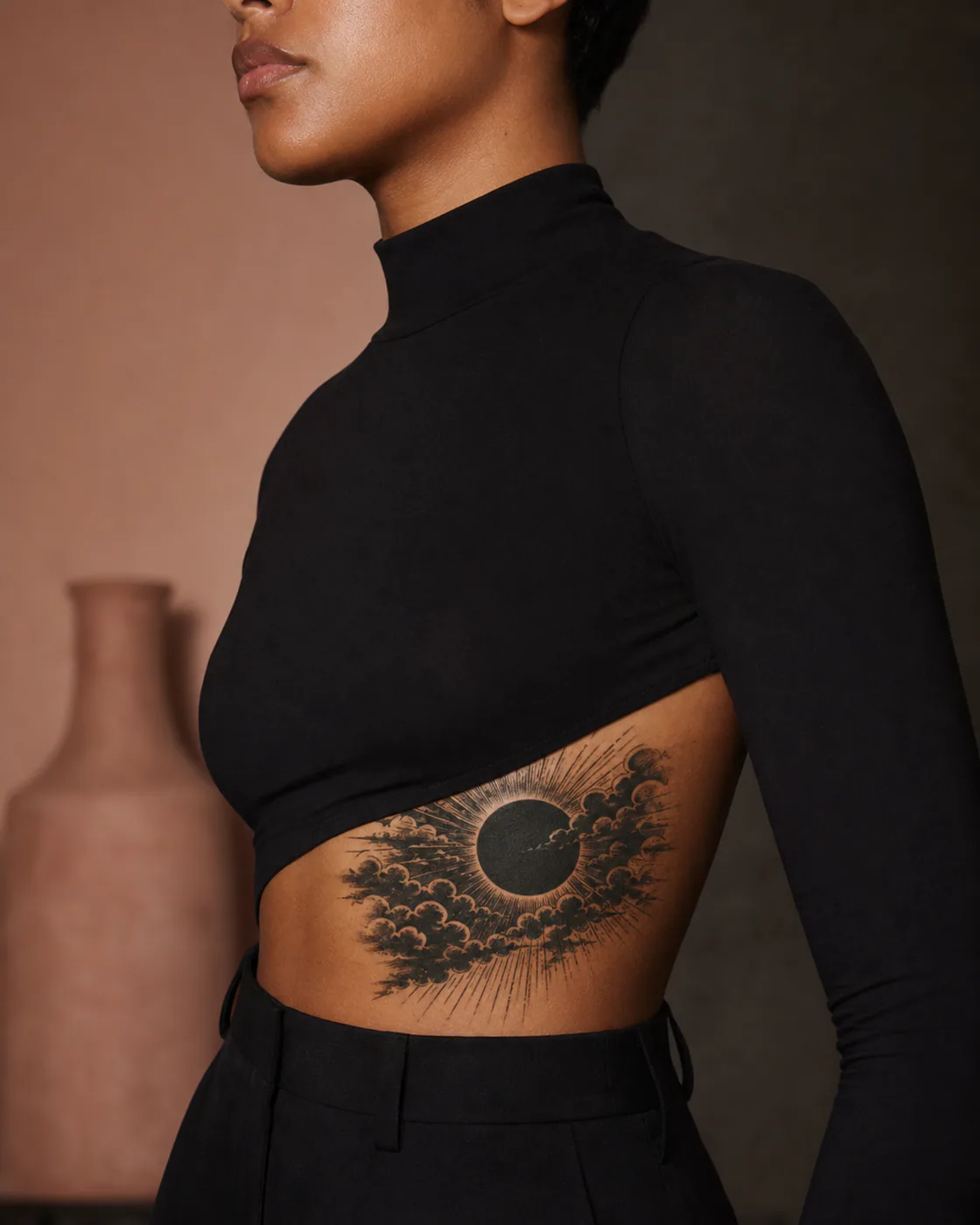
Blackwork Celestial Tattoo for the Ribs
An original celestial concept shaped as a healed blackwork tattoo for the ribs.
- Blackwork
- Celestial
- Ribs / Side
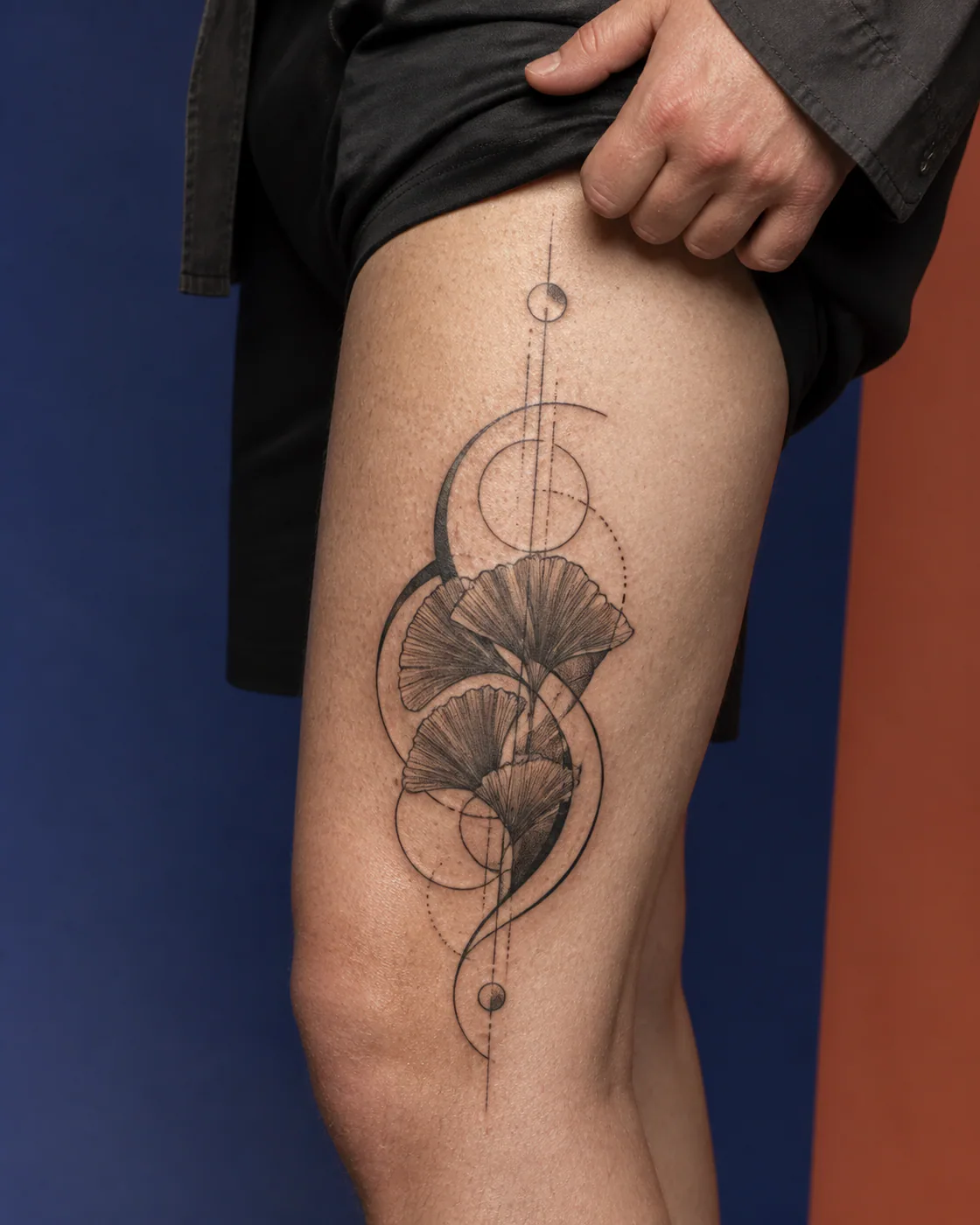
Geometric Botanical Tattoo for the Thigh
An original botanical concept shaped as a healed geometric tattoo for the thigh.
- Geometric
- Flowers & Botanicals
- Thigh
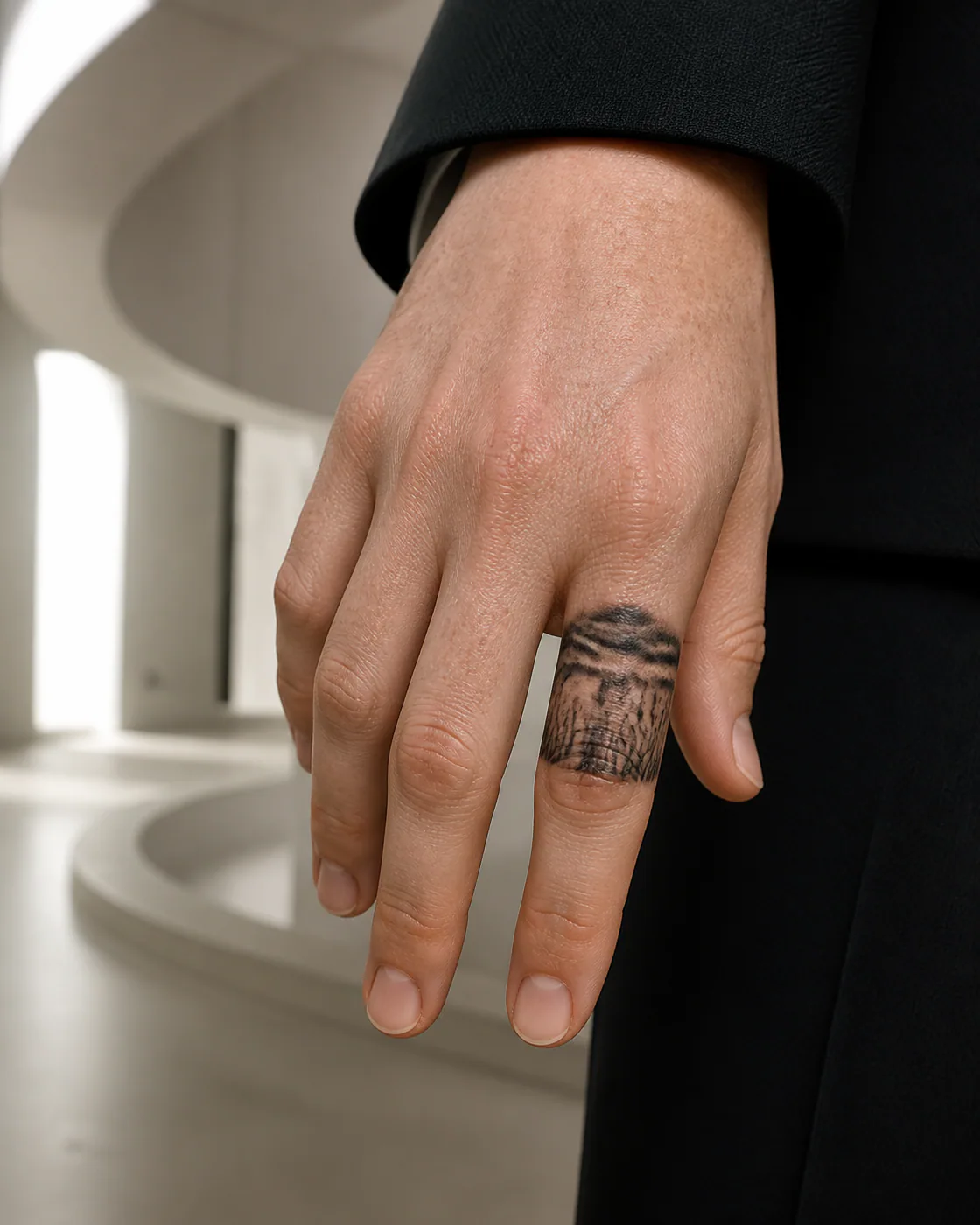
Floral Nature Tattoo for the Finger
An original nature concept shaped as a healed floral tattoo for the finger.
- Floral
- Nature
- Finger
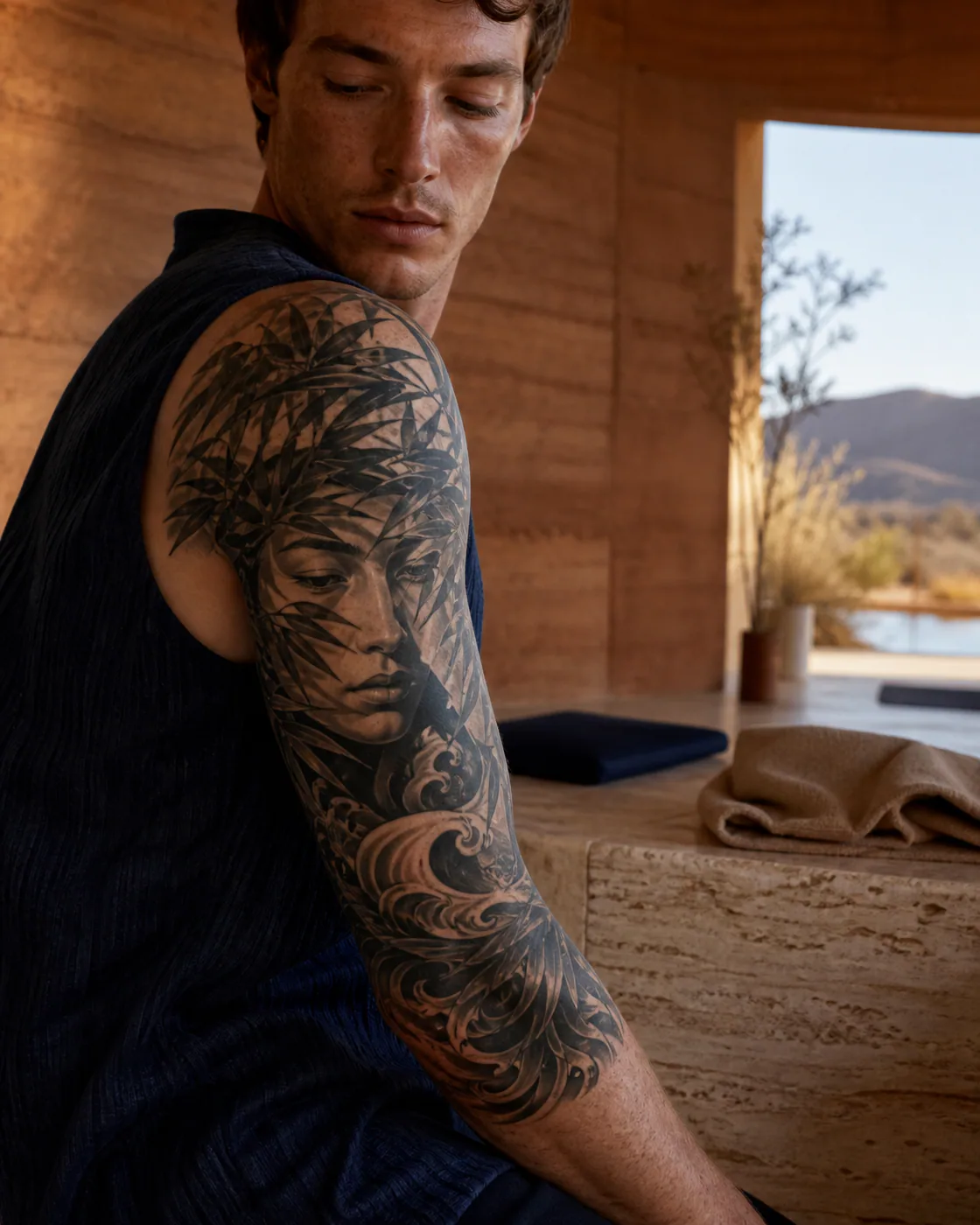
Japanese Portrait Tattoo for the Half Sleeve
An original portrait concept shaped as a healed japanese tattoo for the half sleeve.
- Japanese
- Portrait
- Half Sleeve
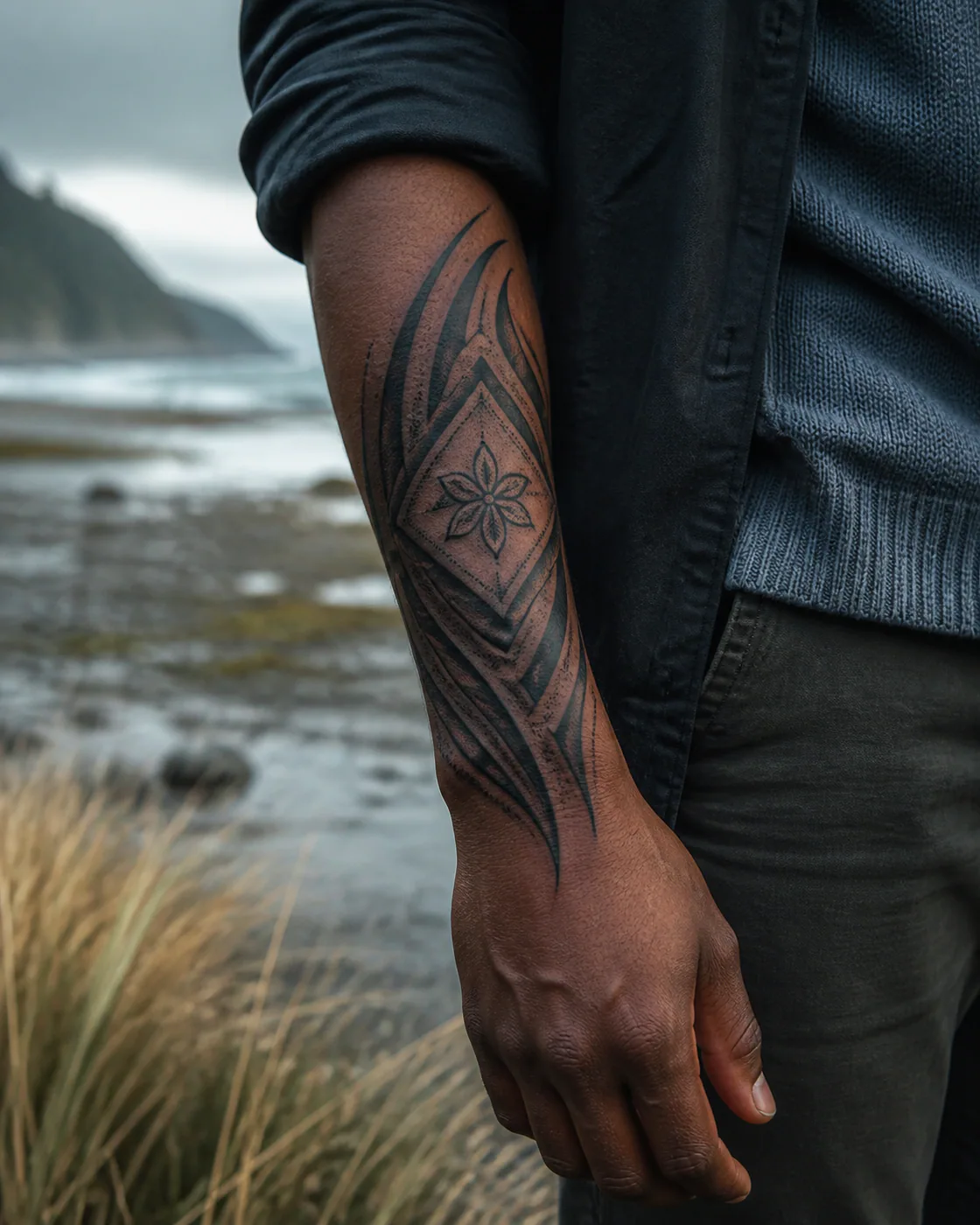
Tribal Memory Tattoo for the Forearm
An original memory concept shaped as a healed tribal tattoo for the forearm.
- Tribal
- Memory
- Forearm
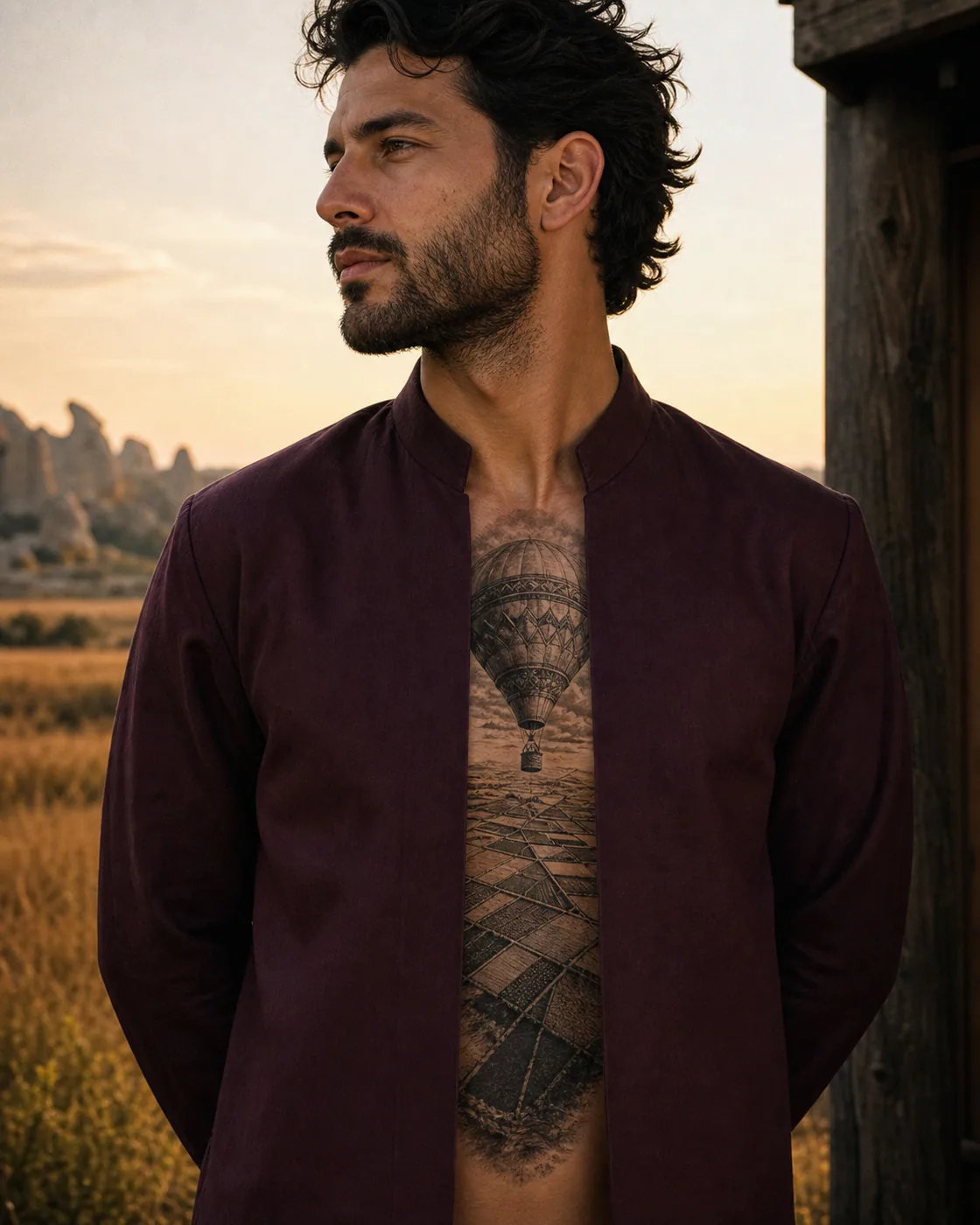
Realism Travel Tattoo for the Sternum
An original travel concept shaped as a healed realism tattoo for the sternum.
- Realism
- Travel
- Sternum
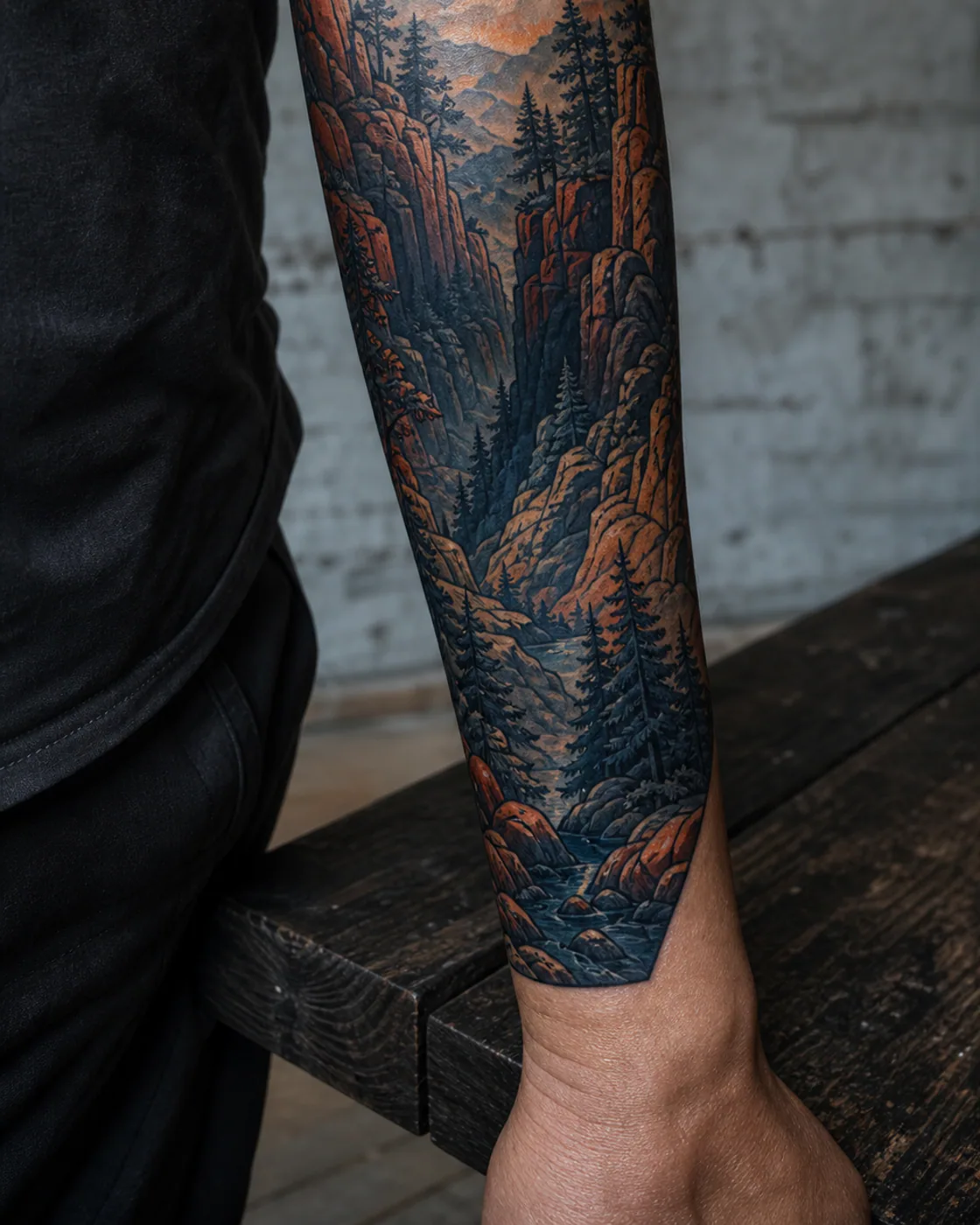


New School Nature Tattoo for the Forearm
An original nature concept shaped as a healed new school tattoo for the forearm.
- New School
- Nature
- Forearm
PROVEN COVER-UP DIRECTIONS
Six motif families tattoo artists rely on to hide old ink
Successful cover-ups place dark, textured focal areas directly over old linework while pulling lighter petals, smoke, or negative space onto fresh surrounding skin.
Dark peonies, roses, and layered foliage
Dense leaf shadows and overlapping petals break up old script, names, and faded symbols without looking like a solid black patch.
Japanese koi, dragons, and wind bars
Scales, waves, and smoky background bars naturally absorb irregular dark shapes across forearms, calves, shoulders, and half sleeves.
Feathered ravens, owls, and wings
Individual feather barbs and dark body silhouettes disguise scarred or uneven linework better than flat color blocks.
Solid blackwork serpents and panthers
Crawling panthers and coiled snakes put pure black ink right where the old tattoo sits while keeping an athletic, readable silhouette.
Jewel-tone neo-traditional animals and moths
Bold outlines paired with deep Prussian blue, forest green, plum, and burgundy hide cool faded ink far better than yellow or pastel tones.
Heavy ornamental and mandala framing
Solid black geometric bands and dotwork gradients can absorb dark tribal or armband remnants when aligned carefully with anatomy.
COVER-UP DIRECTION COMPARISON
Match the cover-up style to the darkness and shape of your old ink
Different old tattoos fail for different reasons—some are thin faded script, others are dense dark symbols. Compare which approach handles your starting point best.
Cover-up approach: Dark botanicals & layered florals
- Hides best
- Faded names, wrist/forearm script, small symbols, and thin outlines
- Typical scale
- 2×–3× old piece (palm to forearm panel)
- Watch out for
- Placing pale open flower centers directly on top of dark ink instead of shifting leaves over the old lines
Cover-up approach: Japanese koi, dragon & background bars
- Hides best
- Medium-to-large irregular shapes, faded armbands, and patchy upper-arm or calf work
- Typical scale
- Half sleeve, calf panel, or shoulder cap
- Watch out for
- Crowding too many small focal points instead of letting wind and water bars absorb the dark areas
Cover-up approach: Solid blackwork panthers, snakes & ravens
- Hides best
- Heavy black symbols, dark tribal fragments, and stubborn blown-out linework
- Typical scale
- 2×–3× old piece with strong silhouette edges
- Watch out for
- Losing anatomical readability if solid black shapes lack crisp negative-space breaks along the edges
Cover-up approach: Deep jewel-tone neo-traditional
- Hides best
- Faded color tattoos, dated flash, and medium shoulder, thigh, or forearm pieces
- Typical scale
- Hand-size to thigh or outer-arm panel
- Watch out for
- Expecting bright yellow, orange, or white highlights to cover dark ink without laser fading first
COVER-UP PLANNING RULES
What determines whether a cover-up heals cleanly
Ink in the dermis acts like a tinted window rather than opaque paint. Planning around footprint, value contrast, and skin condition prevents old lines from ghosting back through.
Expect 2× to 3× the original footprint
A cover-up needs fresh skin around the old piece so open highlights, petals, and clean edges draw attention away from the densest center.
Match cool dark pigments to old black ink
Black, charcoal, deep blue, teal, purple, and rich green neutralize aged grey-blue ink; pale red, yellow, and white cannot sit over dark lines.
Use organic texture over straight geometry
Scales, fur, feathers, bark, and petals forgive slight show-through as ink settles, whereas ruler-straight lines or empty circles reveal old shapes underneath.
Know when 1–2 laser sessions unlock lighter art
If you want fine-line or airy illustrative work over dense black ink, partial laser fading often expands your style choices dramatically.
ARTIST CONSULTATION PREP
How to brief a cover-up specialist
Bring unedited daylight photos and stay flexible on exact placement of dark elements so your artist can map the heaviest shadow directly over your darkest old lines.
What to send before booking
- A sharp, unedited photo of the existing tattoo in neutral indoor daylight with a ruler or coin for scale.
- How old the tattoo is, whether it was ever touched up or lasered, and whether any lines feel raised or scarred.
- Two or three motif directions you love rather than one rigid stencil that may not align with the old ink.
- How far onto surrounding skin you are comfortable letting the new composition expand.
- Whether you prefer black-and-grey saturation or deep cool-toned color.
KEEP EXPLORING
Related tattoo idea collections
Use another placement, size, audience, or subject to make your direction more specific.

Tattoo Sleeve Ideas
Plan a cohesive full, half, or patchwork sleeve through hierarchy, body flow, transitions, and a realistic session roadmap.
Explore the collection
Forearm Tattoo Ideas
Compare inner, outer, wraparound, and vertical forearm compositions designed for movement and everyday visibility.
Explore the collection
Flower Tattoo Ideas
Explore specific blooms, botanical structures, symbolic pairings, and compositions from tiny stems to large body-led florals.
Explore the collectionCOMMON QUESTIONS
What to know before choosing this direction
How much bigger does a cover-up tattoo need to be?
Most cover-ups end up two to three times the area of the original tattoo. That extra space gives your artist fresh skin for highlights, clean outlines, and visual flow so the piece reads as intentional art rather than a dark patch.
Can a fine-line or minimalist tattoo cover an old tattoo?
Rarely, unless the original tattoo is tiny, very pale, or lightened with laser first. Fine-line tattoos rely on open skin and delicate strokes, which allow old ink to show right through.
Which colors cover old black tattoo ink best?
Pure black, dark greywash, Prussian blue, deep teal, forest green, and dark violet or burgundy conceal faded black ink most reliably. Warm light pigments like yellow, peach, and pastel pink are too translucent to hide dark pigment.
Can raised or scarred tattoos still be covered up?
Color can disguise the old pigment, but tattoo ink does not flatten raised scar tissue. Organic textures such as feathers, scales, petals, and bark help diffuse light across uneven skin so raised lines are much harder to spot.
Do cover-up tattoos cost more than fresh tattoos?
Usually yes—often 1.5× to 2× a fresh tattoo of the original size—because the finished design is larger, requires custom freehand mapping over your old ink, and uses denser pigment saturation.
How can I test cover-up ideas on a photo of my own tattoo?
Open our AI Tattoo Cover-Up tool, upload a private photo of your existing tattoo, mark the redesign area, and run a free analysis to get four tailored cover-up strategies before generating an in-context preview.
TURN INSPIRATION INTO AN ORIGINAL CONCEPT
Keep designing with your own story
Take the subject, placement, and style into the AI generator, then use virtual try-on to judge approximate scale. A tattoo artist should still redraw the final design for your body.